
Patna: Bihar’s universities will now be required to constitute course committees for the effective implementation and monitoring of vocational courses. These committees will include not only professors but also AI experts and data scientists from technology companies, bringing industry expertise into academic planning.

The move aims to align university curricula with changing employment requirements and the objectives of the National Education Policy. The committees will focus on developing and regularly updating courses so that students acquire skills relevant to the job market.
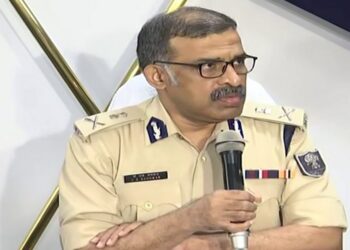
Governor and Chancellor Syed Ata Hasnain has issued directions to all vice-chancellors in this regard. According to the instructions, the committees will play an important role in ensuring the quality of vocational education and strengthening coordination between universities and industries.

Course Committees To Oversee Vocational Education
The committees will be responsible for ensuring that vocational courses are introduced across constituent colleges and that academic standards are maintained.
They will also monitor the timely completion of courses and supervise internship programmes. In addition, they will periodically inspect the infrastructure available at constituent and affiliated colleges according to the requirements of the courses being offered.
The committees will also recommend measures to develop the infrastructure needed for vocational education and ensure that institutions have the facilities required for practical training.
Industry Requirements To Shape Course Curriculum
A key focus of the initiative will be the introduction of industry-oriented curricula. The Governor’s Secretariat has emphasised that courses should include the latest tools, technologies and practical modules to prepare students for changing workplace requirements.
Course committees will periodically assess the needs of different industries and recommend updates to academic content. The objective is to ensure that students are taught skills and subjects that have actual demand in the employment market.
The committees will also act as a link between academic institutions and industries, helping universities coordinate with companies and identify opportunities for students to gain practical experience.
More Focus On Internships And Practical Learning
Under the proposed framework, committees will prepare plans to provide students with internship opportunities in companies, where they can work on real industrial problems and gain practical exposure.
The initiative also seeks to change the way students are assessed. Instead of relying primarily on written examinations, the committees will establish evaluation standards based on projects, case studies and practical demonstrations.
The proposed changes are intended to make vocational education more skill-oriented and employment-focused while strengthening the connection between university learning and industry needs.