Bihar Winter Forecast 2026: Super El Niño May Weaken Cold Wave, Raise Concerns for Rabi Crops
Patna, October 9, 2026: Bihar could experience a milder-than-usual winter in 2026–27 as a strengthening El Niño event in the Pacific Ocean threatens to alter global temperature and rainfall patterns. The phenomenon could increase the likelihood of above-normal temperatures and below-normal rainfall across parts of the Indian subcontinent, raising concerns about winter conditions and the productivity of rabi crops.

In its October 8 update, the World Meteorological Organization (WMO) said El Niño was expected to intensify before reaching its peak around December 2026. There is a near-100% likelihood that the event will persist through February 2027, and it could become one of the strongest El Niño events since at least 1950. The WMO also forecast record-high sea-surface temperature anomalies in the central and eastern tropical Pacific during October–December. <Cite refs={[“turn526025search0″,”turn526025search6”]}/>
For Bihar, the emerging climate pattern raises questions about the duration of cold spells, the possibility of cold waves and the impact of warmer, drier conditions on wheat, pulses and oilseeds. However, El Niño does not guarantee a warm winter in every region, and its effects will depend on other atmospheric conditions, including western disturbances.

When Does Winter Begin in Bihar?
Winter in Bihar generally extends from November to February, with the coldest conditions typically occurring during December and January. Temperatures fall as colder air moves into the Indo-Gangetic plains, while fog and poor visibility become common in several districts.
For a broad understanding of seasonal changes, winter can be divided into three phases:
1. Pre-winter: November 20 to December 20
Temperatures begin to fall, particularly at night and in the early morning. Days can remain relatively warm, while fog and mist gradually become more frequent. Cold winds from northern India can bring a noticeable chill to Bihar.
2. Peak winter: December 20 to January 20
This is generally the coldest phase of the season. Minimum temperatures can fall sharply in several districts, and cold-wave conditions may develop when temperatures and other meteorological parameters meet the prescribed criteria.
Western disturbances, which bring snowfall to the western Himalayan region and can influence weather over the northern plains, may also affect temperatures and precipitation. Dense fog can disrupt road, rail and air traffic.
3. Late winter: January 20 to February 20
Temperatures generally begin to rise gradually, although cold mornings and nights can continue. The passage of western disturbances may occasionally bring rainfall and short-lived spells of colder weather.
These periods are broad seasonal descriptions rather than fixed meteorological divisions. Actual winter conditions vary from year to year.
Will Bihar Experience Severe Cold or Cold Waves This Winter?
The developing El Niño raises the possibility of a warmer-than-normal winter, but it is too early to conclude that Bihar will escape severe cold altogether.
The WMO’s October 8 update said El Niño was likely to strengthen further before peaking in December. Its large-scale climate outlook also indicated an increased likelihood of above-normal temperatures across much of the globe and shifts in rainfall patterns, including a drier signal over the Indian subcontinent. <Cite refs={[“turn526025search0″,”turn526025search6”]}/>
If warmer conditions persist over the northern plains, Bihar could experience fewer or shorter cold spells than in a typical winter. However, brief periods of intense cold remain possible, particularly if strong western disturbances or other favourable atmospheric conditions develop.
The timing, intensity and duration of cold waves will depend on evolving weather systems. Seasonal climate forecasts should not be treated as a guarantee of district-level conditions.
Could Bihar See Fewer Cold-Wave Days?
The possibility of a shorter or less intense cold season is one of the key questions for the coming winter. A strong El Niño can influence India’s temperature and rainfall patterns, but it cannot, on its own, determine the number of cold-wave days in Bihar.
The final number will depend on actual temperature trends, wind patterns, fog conditions and the movement of western disturbances during December, January and February.
Mahesh Palawat of Skymet Weather has highlighted the importance of western disturbances in shaping winter conditions. Weaker systems could mean less snowfall in the western Himalayas and fewer opportunities for prolonged cold spells across the plains. Conversely, a strong western disturbance could trigger a temporary fall in temperatures.
Residents should therefore continue to follow India Meteorological Department (IMD) forecasts and district-level cold-wave advisories throughout the season.
What Is El Niño and How Does It Affect India’s Weather?
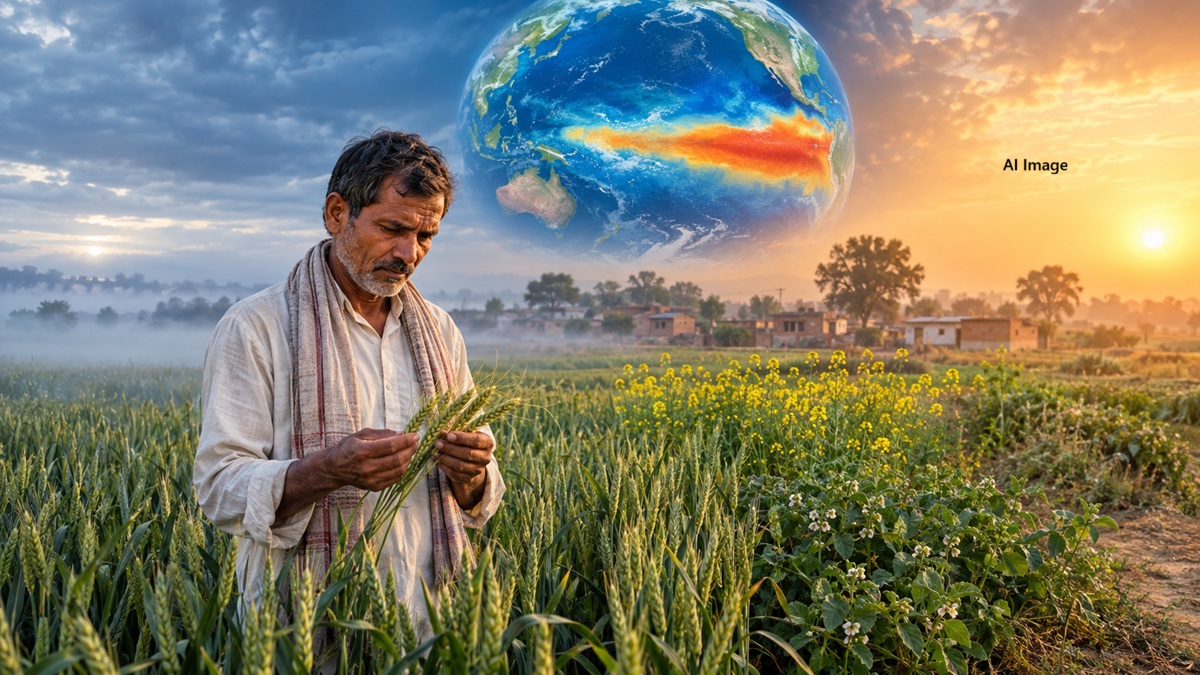
El Niño is a climate phenomenon associated with the abnormal warming of surface waters in the central and eastern equatorial Pacific Ocean. It forms part of the El Niño–Southern Oscillation (ENSO), a natural climate pattern involving interactions between the ocean and atmosphere.
Under normal conditions, trade winds push warm surface water towards the western Pacific, near Southeast Asia. When these winds weaken, warm water spreads further east towards the central and eastern Pacific, changing atmospheric circulation and rainfall patterns.
These changes can influence weather far beyond the Pacific Ocean. In India, El Niño is often associated with an increased risk of below-normal monsoon rainfall, although the actual outcome varies between events. It can also affect seasonal temperatures and rainfall outside the monsoon period.
The WMO said on October 8 that the current event was strengthening and could become one of the most powerful since 1950. Its forecasts point to a likely peak around December 2026, with El Niño conditions expected to persist through February 2027. <Cite refs={[“turn526025search0″,”turn526025search6”]}/>
The opposite phase, La Niña, is associated with cooler-than-average sea-surface temperatures in the central and eastern equatorial Pacific. Its effects on Indian rainfall and winter weather also vary, and it does not automatically guarantee a colder winter.
How Could El Niño Affect Rabi Crops in Bihar?
A warmer and potentially drier winter could create challenges for rabi crops, including wheat, gram, lentils, peas and mustard. These crops are grown during the winter season, and their performance depends on temperature, soil moisture, irrigation and rainfall at different stages of growth.
Wheat: Higher temperatures during critical growth stages, particularly grain filling, can accelerate crop development and reduce the time available for grains to mature. Under unfavourable conditions, this can result in smaller grains and lower yields.
Mustard: Warm, dry conditions can increase crop stress where soil moisture is inadequate. Pest and disease risks will depend on local temperature, humidity, crop conditions and the presence of specific pathogens.
Gram, lentils and peas: Unseasonably high temperatures during flowering and pod formation can affect flower retention, pod development and overall productivity. Water availability will also be an important factor.
The impact will not be uniform across Bihar. Farmers with access to reliable irrigation may be better positioned to manage rainfall deficits, although irrigation cannot fully offset heat stress during sensitive growth stages.
While some estimates suggest that warmer winter conditions could reduce wheat yields substantially in affected areas, a specific statewide yield-loss figure for Bihar cannot yet be established from the seasonal outlook alone.
What Should Farmers Watch for in the Coming Months?
Farmers should monitor IMD seasonal and short-range forecasts, local rainfall updates and agricultural advisories issued by Bihar’s agricultural universities and Krishi Vigyan Kendras.
Timely irrigation, suitable sowing dates, heat-tolerant crop varieties where recommended, and regular monitoring for pests and diseases may help reduce risks. Crop-specific decisions should be based on local soil, water availability and official agricultural guidance rather than El Niño forecasts alone.
What Does the Forecast Mean for Bihar?
The strengthening El Niño increases the risk of a warmer-than-normal winter and altered rainfall patterns, but it does not rule out isolated cold waves or brief spells of severe cold.
For Bihar, the most important factors to monitor will be night-time temperatures, the frequency of western disturbances, winter rainfall and soil moisture during the rabi growing season. The coming months will determine whether the state experiences a relatively mild winter and how significantly agricultural operations are affected.