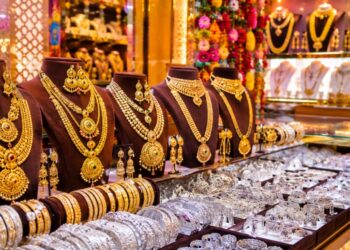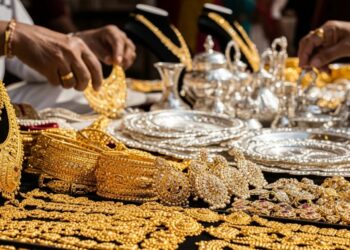

New Delhi/Patna: Gold and silver prices rose on Friday, October 16, according to the India Bullion and Jewellers Association (IBJA). The price of 10 grams of 24-carat gold increased by Rs 572 to Rs 1,46,514, compared with Rs 1,45,942 on October 15.

Silver prices also recorded a rise, with the price of one kilogram increasing by Rs 2,037 to approximately Rs 2.10 lakh, up from Rs 2.08 lakh on Thursday.
Gold up Rs 13,319 in 2026, silver down Rs 20,108

Gold and silver prices have fluctuated throughout 2026. Gold has become costlier by Rs 13,319 so far this year, while silver has declined by Rs 20,108.
On December 31, 2025, 10 grams of gold was priced at around Rs 1.33 lakh, compared with approximately Rs 1.47 lakh now. Silver, meanwhile, has fallen from Rs 2.30 lakh per kilogram at the end of 2025 to around Rs 2.10 lakh.
Both metals recorded their respective all-time highs on January 29, according to the supplied figures. Gold reached Rs 1.76 lakh per 10 grams, while silver touched Rs 3.86 lakh per kilogram.
Two things to check before buying gold
Buyers should keep the following points in mind when purchasing gold jewellery:
- Check the BIS hallmark: Purchase hallmarked gold and verify the hallmark details, including the alphanumeric identification code, to check the declared purity of the metal.
- Cross-check the price: Check the day’s gold rate through reliable sources, including the IBJA website, and confirm the jewellery’s weight and applicable price. Rates vary according to purity, including 24-carat, 22-carat and 18-carat gold.
Jewellery buyers should also account for making charges and other applicable costs when comparing final prices.
Four ways to check silver
The following traditional checks are often used to assess silver, although they cannot conclusively establish authenticity:
- Magnet test: Silver is not strongly attracted to an ordinary magnet. However, this test alone cannot confirm purity.
- Ice test: Silver conducts heat efficiently, so ice placed on it may melt quickly. Results can vary depending on the object’s temperature and surroundings.
- Smell test: Pure silver generally has no distinctive metallic smell, but odour is not a reliable test of authenticity.
- Cloth test: Rubbing silver with a white cloth may leave a dark mark because of tarnish. However, this does not independently establish that an item is genuine silver.
For a reliable assessment, buyers should seek a professional purity test rather than depending solely on these methods.