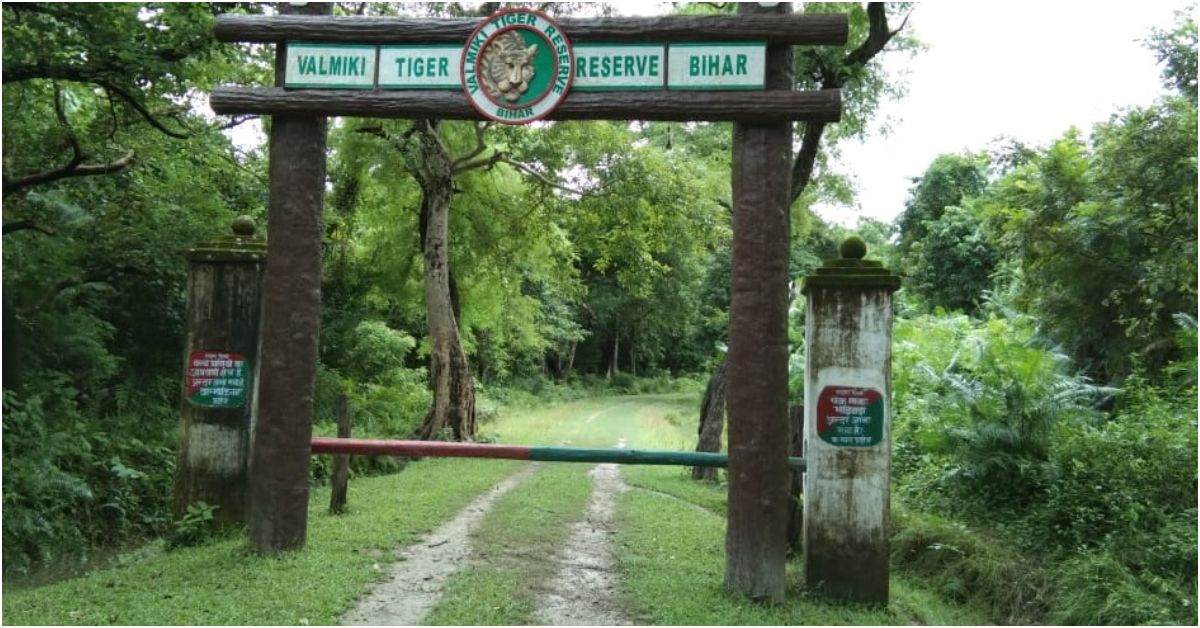
West Champaran: Tourism activities at Bihar’s only Valmiki Tiger Reserve (VTR) in West Champaran will come to a halt from June 29, marking the end of the current safari season ahead of the monsoon and wildlife breeding period.

Forest officials said the annual closure is part of routine conservation measures aimed at protecting wildlife and ensuring safety during heavy rains.
Tourist Rush Ahead of Closure

With the shutdown approaching, VTR has witnessed a sharp rise in tourist footfall over the past few days. Safari vehicles are fully booked for both morning and evening slots.
Visitors are arriving from Bihar as well as neighbouring states including Uttar Pradesh, Jharkhand and West Bengal to make the most of the final safari days.
Popular Spots See Increased Activity
Along with jungle safaris, tourist movement has also intensified at key attractions in Valmikinagar such as the Gandak Barrage, Jungle Camp, Eco Park and the Canopy Walk.
Religious sites including Kaleshwar Temple, Jatashankar Temple, Nardevi Temple and Gajendra Moksha Dham at Triveni on the India-Nepal border are also drawing steady crowds, adding to the region’s festive atmosphere.
Wildlife Sightings Peak in June
Forest officials and wildlife experts noted that June is considered one of the best months for sightings inside the reserve. Rising temperatures and drying water sources often push animals closer to rivers and water bodies.
This increases the chances of spotting species such as tigers, leopards, bears, deer and Indian gaur during safaris.
Spread across nearly 900 sq km, VTR hosts more than 60 mammal species, over 300 bird species and around 90 types of plants, according to forest department data.
Monsoon Closure for Safety and Conservation
Valmikinagar Range Officer Satyam Kumar said safari operations are suspended every year during the monsoon as heavy rainfall damages unpaved forest roads and makes routes unsafe for vehicles.
He added that the closure also supports wildlife conservation during the breeding season, ensuring minimal human disturbance to habitats and newborn cubs.