
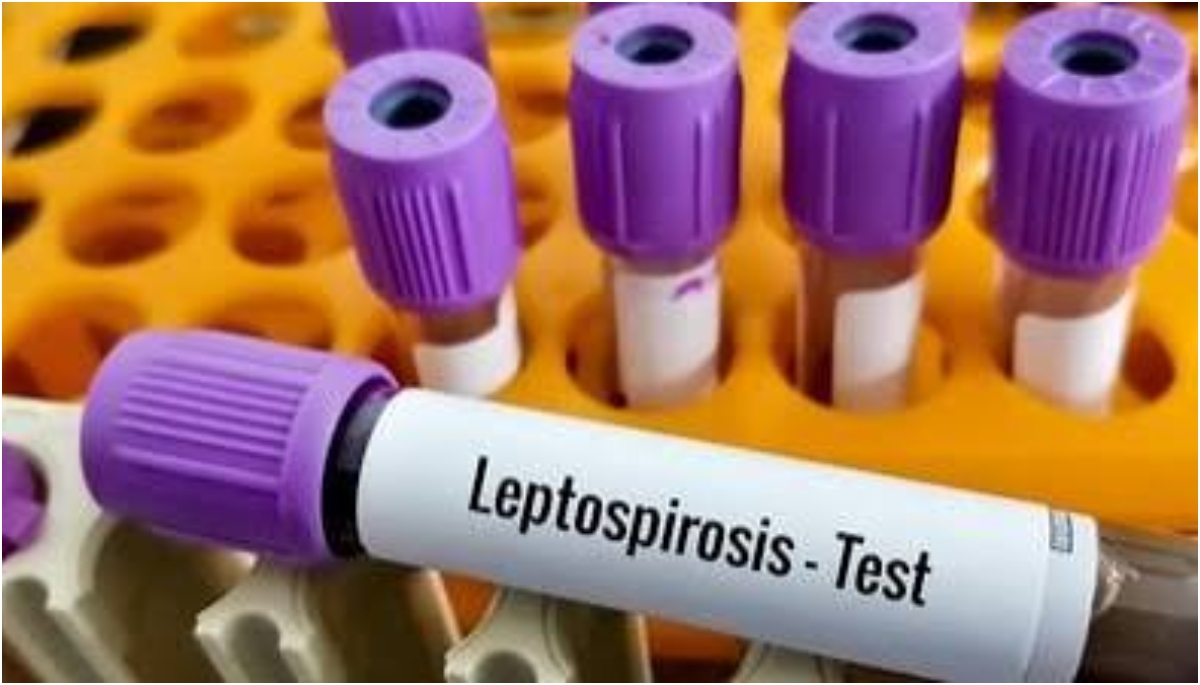
Patna: A 31-year-old woman from Khusrupur has tested positive for leptospirosis at Nalanda Medical College Hospital (NMCH), becoming the second woman to test positive for the infection at the hospital within five days.

Samples from four suspected cases were tested on Monday at the Toxoplasma Lab in the Microbiology Department of NMCH. Dr Sanjay Kumar, head of the department, said the Khusrupur woman tested positive for leptospirosis IgM.
The patient is currently admitted to the Department of Medicine and is undergoing treatment. Doctors said her condition is stable.

Second Case In Five Days
The latest case follows the detection of leptospirosis in a 48-year-old woman from Agamkuan. She was admitted to the Medicine Department and tested positive for leptospirosis IgM on August 13 at the same laboratory.
The two cases have drawn attention to the infection amid the monsoon season, when exposure to contaminated water and soil can increase.
How Leptospirosis Spreads
Leptospirosis is a bacterial infection that can spread to humans through contact with urine or other bodily fluids of infected animals, particularly rodents. People can also become infected through contaminated water or soil, especially when the bacteria enter the body through cuts or abrasions in the skin or through the eyes, nose or mouth.
Dr Sanjay Kumar said infected rats and other animals can contaminate their surroundings, creating a risk of transmission to people who come into contact with contaminated areas.
Floods Can Increase Risk
According to Dr Sanjay Kumar, the risk of infection can increase during floods. When floodwaters enter villages and other areas, rodents may move towards cities and densely populated locations in search of shelter.
Floodwater can also spread contaminated material across larger areas, increasing the likelihood of human contact with the bacteria.
NMCH Only Government Testing Facility In Bihar
Dr Sanjay Kumar said NMCH currently has the facility to test for leptospirosis among government hospitals in Bihar. The hospital has also been designated as a surveillance centre for the infection.
Patients admitted to government hospitals who show symptoms suggestive of leptospirosis can be referred to NMCH for free testing, he said.
Prof Dr Ajay Kumar Sinha, head of the Department of Medicine, said an awareness programme on leptospirosis IgM infection would be organised for doctors and patients.
Doctors have advised greater awareness of exposure to potentially contaminated floodwater, soil and areas affected by rodents, particularly during the monsoon.