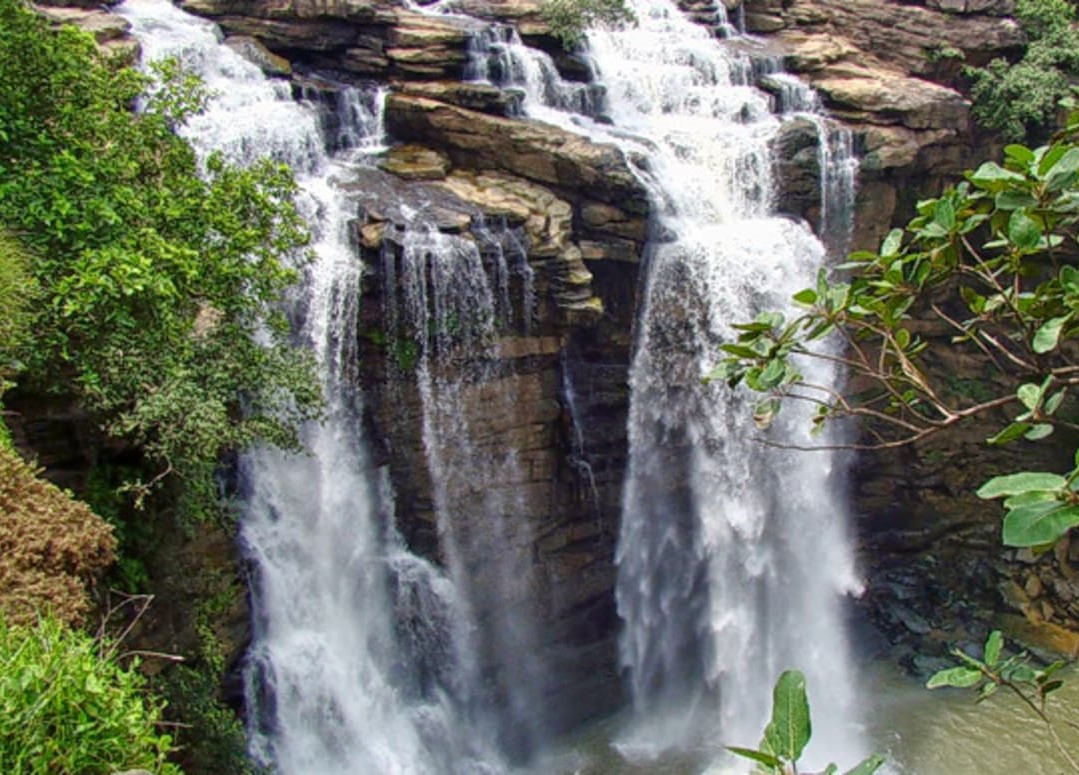
Patna: Bihar is often associated with its ancient heritage, religious sites and the Ganga. But beyond these familiar identities, the state has another side that comes alive during the monsoon — its waterfalls.

From the hills of Kaimur and Rohtas in south Bihar to Nawada, rain-fed streams transform rocky landscapes into spectacular waterfalls and natural pools. Surrounded by dense greenery, forests and valleys, these destinations can offer a refreshing escape for travellers looking to explore Bihar during the rainy season.
Among the waterfalls and cascades worth exploring are Kakolat, Telhar Kund, Dhuaan Kund, Manjhar Kund, Tutla Bhawani, Karkatgarh and Kashish Waterfall.

Here is a look at seven scenic waterfalls that become particularly attractive during the monsoon.
1. Kakolat Waterfall: Water Cascading From Around 160 Feet
Located in Nawada district near the Bihar-Jharkhand border, Kakolat Waterfall is among Bihar’s best-known natural attractions. The waterfall is situated in the Kakolat hills, around 33 km from Nawada by one route.
Water cascades down from an estimated height of around 150-160 feet before collecting in a natural pool at the base. Forests and hills surrounding the waterfall add to the scenic setting.
One of Kakolat’s notable features is its relatively cool water. According to the district administration, the water remains cool throughout the year. During the monsoon, increased water flow and fresh greenery make the landscape particularly attractive.
The period between June and August is generally considered a favourable time to visit.
How to reach Kakolat
Kakolat can be reached by road from Nawada. The route passes through Fatehpur Mor and Akbarpur, with the distance from Nawada bus stand being around 43 km according to district administration information.
A waterfall with a mythological connection
Kakolat is also associated with local mythology. According to popular belief, a king was cursed by a sage and transformed into a python. It is believed that the Pandavas encountered him during their exile and that the king was subsequently freed from the curse.
A fair is also organised here during Chaitra Sankranti.
Visitors have also noted changes in facilities at the site over the years, including arrangements for tourists and entry-related charges.
2. Telhar Kund: A Waterfall Amid the Kaimur Hills
Located in Kaimur district, Telhar Kund is another striking monsoon destination. Set amid the Kaimur hills and surrounding forests, the waterfall drops from a height of around 80 metres, or approximately 262 feet.
During the rainy season, the increased flow of water, mist and greenery create a dramatic landscape.
The waterfall feeds the Telhar Kund below. According to Bihar Tourism, the water comes from streams originating in the Khargara-Adhaura region, including the Suvarn river and several seasonal hill streams.
Telhar Kund is around 32 km from Bhabua and approximately 47 km from Mohania. The famous Mundeshwari Temple is also located nearby, while Karamchat Dam adds another attraction to the surrounding landscape.
Best time to visit
The monsoon months, particularly June to August, are considered the most scenic period. However, visitors should exercise caution because rocks and pathways can become slippery and water levels can rise suddenly.
3. Dhuaan Kund: Where the Water Looks Like Smoke
Around 15 km from Sasaram, in the Kaimur hills, Dhuaan Kund gets its name from the mist created as water plunges over rocks into the valley below.
The waterfall is said to drop from a height of around 130 feet. As the falling water hits the rocks, spray and mist rise into the air, creating an appearance resembling smoke.
Dhuaan Kund is located close to Manjhar Kund, with streams originating in the surrounding hills flowing through rocky terrain before reaching the two natural attractions.
The combination of waterfalls, forests, rocky valleys and mist makes the area particularly attractive during the monsoon.
A scenic spot for photography
The play of sunlight on the falling water can make the landscape especially striking around sunrise and sunset. The area can appeal to nature lovers, photographers and visitors looking for a quieter outdoor destination.
Sasaram is connected to the area by road, and visitors can use local transport to reach nearby locations.
4. Manjhar Kund: A Natural Landscape of Rocks, Cascades and Greenery
Manjhar Kund is not simply about the height of a waterfall. Its appeal lies in the entire natural landscape — rocky formations, valleys, flowing streams and surrounding greenery.
Located in the Kaimur hills, streams flowing down the mountainous terrain pass through rocky channels, forming small cascades and pools along the way.
Instead of one straight vertical drop, the water often appears to move through a series of rocky levels and bends. The surrounding cliffs and valleys create a natural amphitheatre-like setting.
During the monsoon, increased water flow brings the rocky landscape alive, with multiple cascades appearing across the hills.
For photographers and nature enthusiasts, the combination of rocks, water, forest and mist makes Manjhar Kund an attractive monsoon destination.
5. Tutla Bhawani: Where a Waterfall Meets a Temple
Rohtas’ Tutla Bhawani offers something different — a combination of natural scenery and religious significance.
The waterfall is surrounded by hills, rocky terrain and forests, while the Tutla Bhawani temple is located at the site. During the monsoon, the surrounding hills turn greener and the waterfall gains strength, creating a striking backdrop for the temple.
Centuries-old religious tradition
The Tutla Bhawani temple is believed to have a history dating back several centuries. Local traditions associate the site with an ancient idol of the goddess discovered in the caves of the Kaimur hills.
One local account says that Raja Dhawal Pratap consecrated the idol on April 19, 1158. The site has since remained a place of worship and is regarded by devotees as a Siddha Peeth.
The belief in ‘Amrit Boondein’
Water droplets continue to fall from the rock above the temple throughout the year. Devotees traditionally regard these droplets as ‘Amrit Boondein’, or sacred drops, and consider them a blessing of the goddess.
The combination of a waterfall, forested hills and the temple gives Tutla Bhawani a distinct identity among Bihar’s natural attractions.
6. Karkatgarh: Waterfall, Forest and a Crocodile Habitat
Located in the Chainpur area of Kaimur district, Karkatgarh Waterfall is one of Bihar’s more unusual natural destinations. Close to the Uttar Pradesh border, the waterfall lies amid rocky hills and forests and forms part of the Kaimur Wildlife Sanctuary landscape.
According to Bihar Tourism, the waterfall is around 300 feet wide and approximately 100 feet high. The Karmanasa River flows over the rocky terrain, creating a broad waterfall and a natural pool below.
The appearance of the water can also vary with weather and conditions, with the pool sometimes appearing greenish or blue.
What makes Karkatgarh different?
The presence of crocodiles in the surrounding Karmanasa river system is one of Karkatgarh’s most distinctive features. The area is therefore significant not only from a tourism perspective but also from a wildlife and conservation standpoint.
The site also has a colonial-era connection. Historical accounts indicate that British officials visited the area to enjoy its scenery and hunt wildlife, and a dak bungalow was reportedly built nearby.
Today, wildlife hunting is prohibited, and the area is better viewed through the lens of conservation and eco-tourism.
Karkatgarh brings together several elements rarely found at one destination — a broad waterfall, river, forest, rocky landscape and crocodile habitat.
7. Kashish Waterfall: Multiple Streams Falling Through the Hills
Among the lesser-known waterfalls of the Kaimur-Rohtas hill region, Kashish Waterfall stands out for its unusual natural formation.
Located in the Kaimur hills, the waterfall is around 170 km from Patna. Bihar Tourism puts its height at approximately 800 feet.
Local accounts describe several streams flowing from the same hill and falling in different directions. During the monsoon, the increased flow creates multiple white streams cascading down the rocky slopes.
Surrounded by deep valleys and dense forests, the waterfall can look particularly dramatic after heavy rainfall, when several streams appear to descend from the mountain at the same time.
The area is also of interest to trekking enthusiasts. According to local forest department information, routes from the Kashish region lead towards areas including Akbarpur, Chaurasan Temple and Rohtasgarh Fort.
Why Bihar’s waterfalls look their best during the monsoon
Most of these waterfalls are located around the hills of Kaimur and Rohtas, where seasonal streams receive a significant boost during the rainy season.
As rainwater flows down the hills, small streams merge into larger channels and eventually form waterfalls and cascades. Fresh vegetation covers the hills, while mist and spray create a dramatic atmosphere around the rocky terrain.
That combination of water, forests, mountains, mist and greenery is what makes the monsoon arguably the most attractive season to explore Bihar’s waterfalls.
Planning a monsoon waterfall trip? Keep these precautions in mind
The same rain that makes these destinations beautiful can also make them dangerous.
Water levels at waterfalls and streams can rise rapidly after heavy rainfall. Rocks and pathways may become extremely slippery, while strong currents can make pools and riverbeds unsafe.
Visitors should:
- Avoid entering waterfalls or streams with strong currents.
- Stay away from the edges of high cliffs and slippery rocks.
- Follow instructions and restrictions issued by local authorities.
- Keep children away from deep water and fast-flowing streams.
- Avoid visiting areas that have been temporarily restricted because of heavy rain.
- Follow designated paths and avoid venturing deep into forests without local guidance.
Bihar’s waterfalls may not have the nationwide recognition of destinations such as Dudhsagar, Jog Falls or Nohkalikai Falls, but their appeal lies in something different: relatively unexplored landscapes where waterfalls, forests, hills and local traditions come together.
For travellers willing to look beyond Bihar’s better-known historical and religious destinations, the monsoon offers an opportunity to discover a very different side of the state.