Sitamarhi/Patna: “The water flow suddenly increased. A car was swept away barely 500 metres from us. That was when we realised how dangerous the situation had become.”

For a group of 106 Indian tourists from Maharashtra, what began as a pilgrimage and holiday in Nepal turned into a fight for survival as floods and landslides disrupted their return journey.
The group, which had travelled to Nepal to visit Kathmandu and the Pashupatinath Temple, was finally brought safely into Bihar on Friday evening with the help of the Bihar government and local administration. After reaching Sitamarhi, the passengers were taken to Patna by bus late at night before arrangements were made for their onward journey to Maharashtra by train.

Among those rescued were 59 women, 42 men and five children. Their luggage was also brought back safely.
For the travellers, however, reaching India was more than just a journey home. It was the end of two days marked by fear, uncertainty, hunger and the constant worry that they might not survive.
‘We thought it was our turn’
Yogesh Gawande, a resident of Nagpur, said the danger became apparent while the group was travelling towards the India-Nepal border.
“The water flow had increased rapidly. A car was swept away in the strong current about 500 metres from our vehicle. We were terrified after seeing that,” he recalled.
At one point, Gawande said, the group feared that their own vehicle could also be carried away.
“We felt that it could be our turn next. We did not know whether our vehicle would survive the water. At that moment, we had almost given up hope that we would make it out alive,” he said.
The group eventually crossed a bridge leading towards the Bihar border, despite more than half of the structure being submerged.
“Water was continuously rising and the current was extremely strong. Somehow, we crossed the bridge. About half an hour later, we were told that the water level had risen further and the bridge we had crossed was completely submerged,” Gawande said.
He said the group might not have survived had they remained in Nepal for longer.
“If we had stayed there a little longer, perhaps we would not have been alive today,” he said, thanking the governments and authorities involved in their evacuation.
A journey that began on August 19
The Maharashtra group had entered Nepal on August 19. Their itinerary included Pokhara, Muktinath and Kathmandu.
The initial days of the trip were uneventful. However, conditions deteriorated during their return journey after flooding and destruction caused by glacial-related events disrupted several roads and routes.
As roads were damaged or blocked, the group’s large tourist bus could no longer proceed.
Pune resident Narayan Reshma Bajpai said the group had travelled in a bus with a capacity of around 50 passengers.
“For the first seven or eight days, everything was normal. But during our return, roads began getting blocked. Our 50-seater bus could not negotiate the damaged mountain roads,” Bajpai said.
The group then sought local assistance and switched to smaller vehicles.
“We had to use smaller vehicles to move ahead. Fortunately, we had already passed through the area that later witnessed the worst destruction. We left that place a day before the situation became extremely severe. We did not see the worst devastation directly, but the condition of the roads during our return journey gave us an idea of the danger,” he said.
Two days without food in Kathmandu
The ordeal was not limited to the journey.
Asha Pandey, another passenger, said the group spent nearly two days in extremely difficult conditions.
“We were hungry and thirsty and were only worried about staying alive. We could not understand when or how we would get out of this disaster,” she said.
Another passenger, Sarla, said the assistance they received after reaching the Indian side of the border brought them immense relief.
“When we reached the Indian border after leaving Nepal, the administration and local people helped us a lot. They arranged transportation, food and water and brought us further from the border. We were provided breakfast and meals, and arrangements were also made for us to rest,” she said.
Her voice turned emotional as she described the experience on the occasion of Raksha Bandhan.
“Today is Raksha Bandhan, and it feels as if we have found brothers here. The help we received from the administration and local people is something we will never forget,” Sarla said.
‘Maharashtra and Bihar are not separate’
For Gawande, the experience also reinforced a sense of solidarity beyond state boundaries.
“Maharashtra and Bihar are not separate. We are all Indians. Today, after coming here and seeing how people stood with us in a difficult situation, we have felt that even more strongly,” he said.
The travellers credited the Maharashtra government as well as authorities in Nepal and Bihar for helping them return safely.
They said Maharashtra Chief Minister Devendra Fadnavis was contacted when the group became stranded, following which arrangements were initiated for their evacuation and onward journey to India.
A mother’s heart attack adds to family’s ordeal
For some families, the Nepal disaster brought an additional personal crisis.
Nirmala Pandey said her family had travelled to Nepal for tourism but became stranded after the floods disrupted their journey.
During the crisis, her mother became extremely anxious after seeing the deteriorating conditions and suffered a heart attack.
“She is currently undergoing treatment at a hospital in Kathmandu. The Nepal government and my brother are taking care of her,” Pandey said.
The family members are originally from Uttar Pradesh but are currently working in Pune, Maharashtra.
Bihar administration receives stranded passengers
According to disaster management officials, the district administration received information on August 28 at around 3 pm from the Chief Minister’s Secretariat and the Disaster Management Department that Indian passengers stranded in Nepal were approaching the Bihar border.
Disaster Management ADM Brij Kishore Pandey said the administration immediately reached the border to receive the passengers.
Since the travellers did not have adequate transport, officials used their own vehicles to take them to the police station.
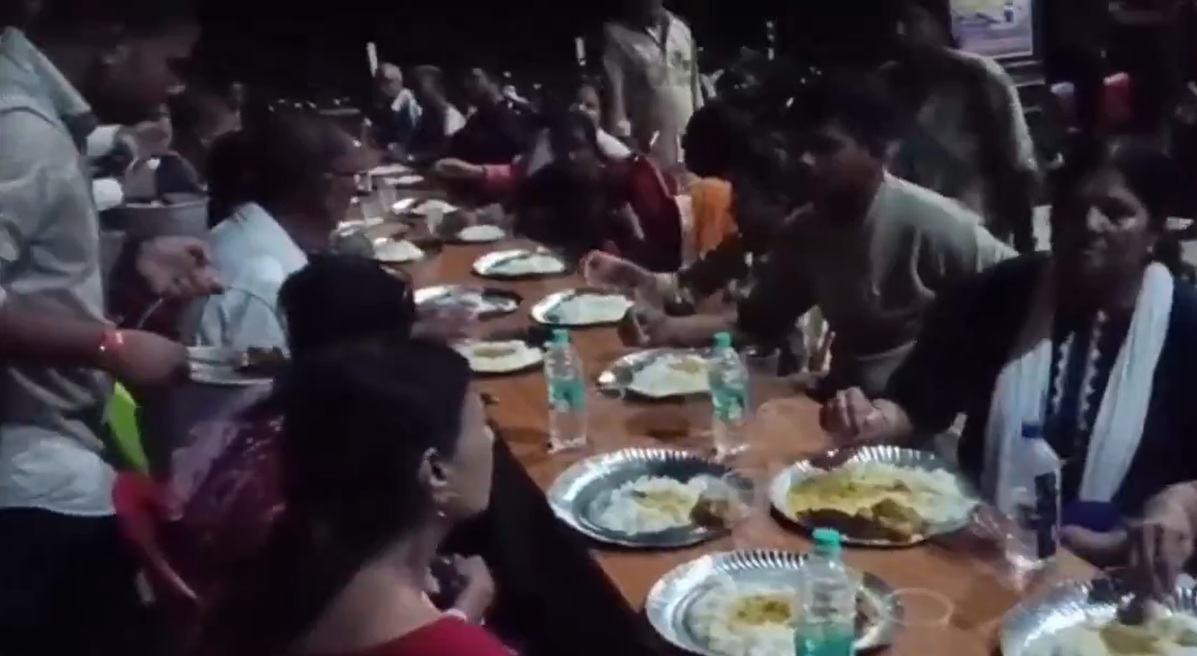
At the police station, the passengers were provided breakfast, fruits, water and meals. Doctors examined one or two passengers who complained of weakness and dizziness. No serious injuries were reported.
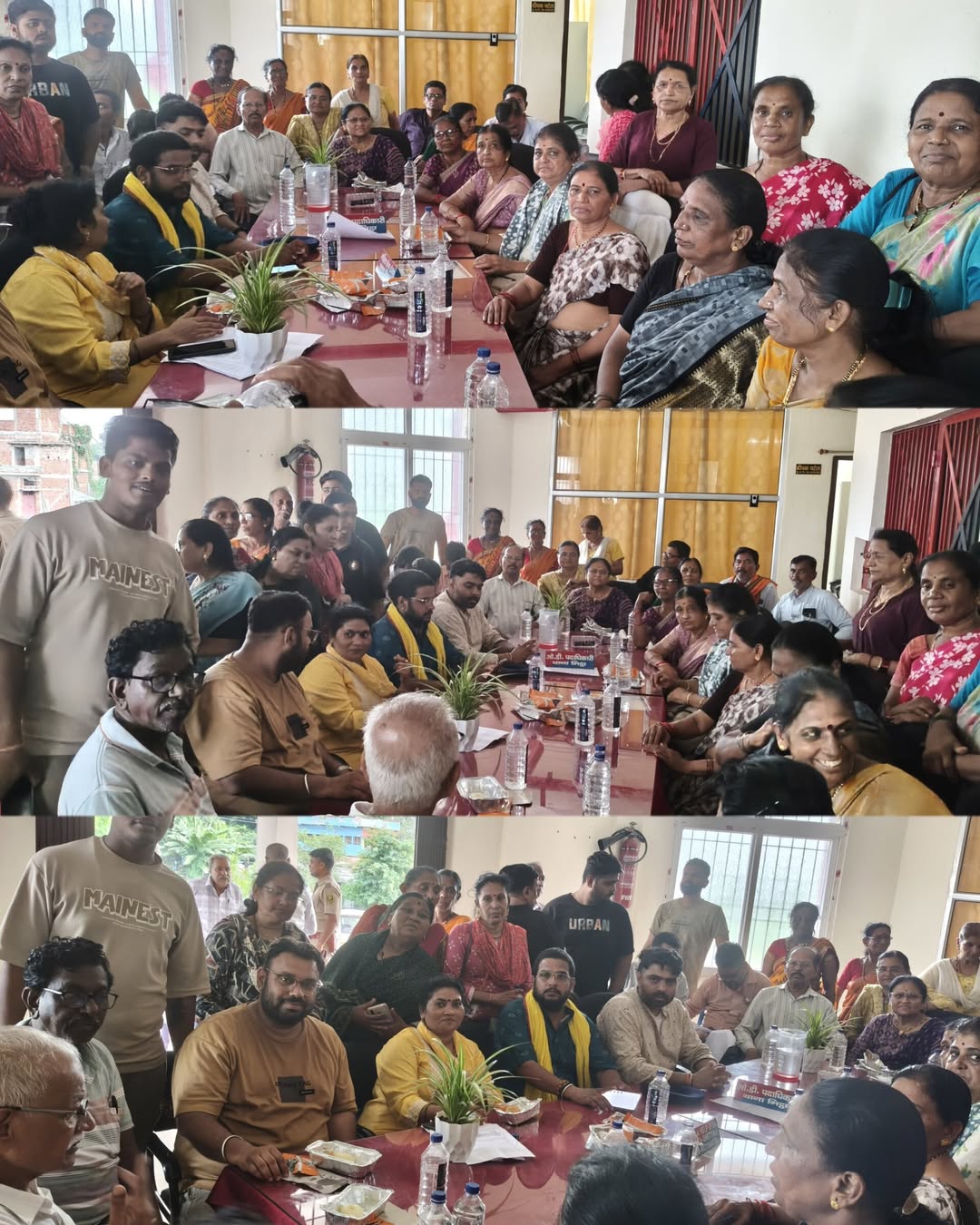
Officials said around 110 passengers were initially expected to return, but some travelled ahead using private vehicles. A group of 106 passengers was received by the district administration and arrangements were made for their onward travel to Patna.
Coordination between Maharashtra, Bihar and Nepal
The evacuation involved coordination between authorities in multiple locations.
The passengers contacted Maharashtra Chief Minister Devendra Fadnavis on Thursday and informed him about their situation. The matter was subsequently communicated to Sitamarhi MP Devesh Chandra Thakur.
Thakur then coordinated with Kathmandu MP Sandeep Rana on Thursday night. Special buses were arranged the following morning to bring the stranded travellers out of Nepal.
The passengers changed buses twice during the journey before reaching the Bhithamore border in Sitamarhi.
A district administration team was waiting for them there. Officials, including Pupri SDO Gaurav Kumar, CO Satish Kumar, BDO Karmveer Kumar Prabhakar, Revenue Officer Brajesh Mishra and Bhittha police station SHO Deepak Patel, were present to receive them.
A health check-up was conducted under the supervision of Medical Officer Dr Lalu Kumar. The passengers were provided food and beds to rest before being sent to Patna by bus.
Those requiring medication were provided medicines.
Sitamarhi police praised for helping travellers
Sitamarhi MP Devesh Chandra Thakur visited the police station on Friday evening and interacted with the rescued passengers.
He praised the district administration and police for responding quickly to the situation.
“As soon as the Chief Minister came to know about the stranded Indian passengers, immediate action was taken. By the time we received the information, the administration had already made arrangements for buses, food and other necessities,” Thakur said.
He also praised the officials involved in the operation and the personnel of Bhittha police station.
“People often criticise the police, but during a disaster, we also turn to the police for security and assistance. Today, Sitamarhi police personnel were even seen helping with the passengers’ food and other needs,” he said.
Raksha Bandhan turns into an emotional moment
The rescue operation took on an emotional dimension on Raksha Bandhan when women and girls from the Maharashtra group tied rakhis on the wrists of local officials, including Sitamarhi SHO Deepak Patel and SDO Gaurav Kumar.
The women said they wanted to celebrate the festival with those who had helped them during their most difficult hours.
Thakur said the gesture was particularly moving.
“For us too, this is an emotional moment. They are saying that the Bihar administration helped save their lives, so they wanted to celebrate Raksha Bandhan by tying rakhis here. In a way, they have found brothers here and we have found sisters,” he said.
From fear in Nepal to relief in Bihar
The passengers were later moved from Sitamarhi to Patna by bus. The pilgrims departed for Nagpur by train this morning. After the Chief Secretary spoke with the Chairman of the Railway Board, two AC coaches were attached to the train for these passengers.
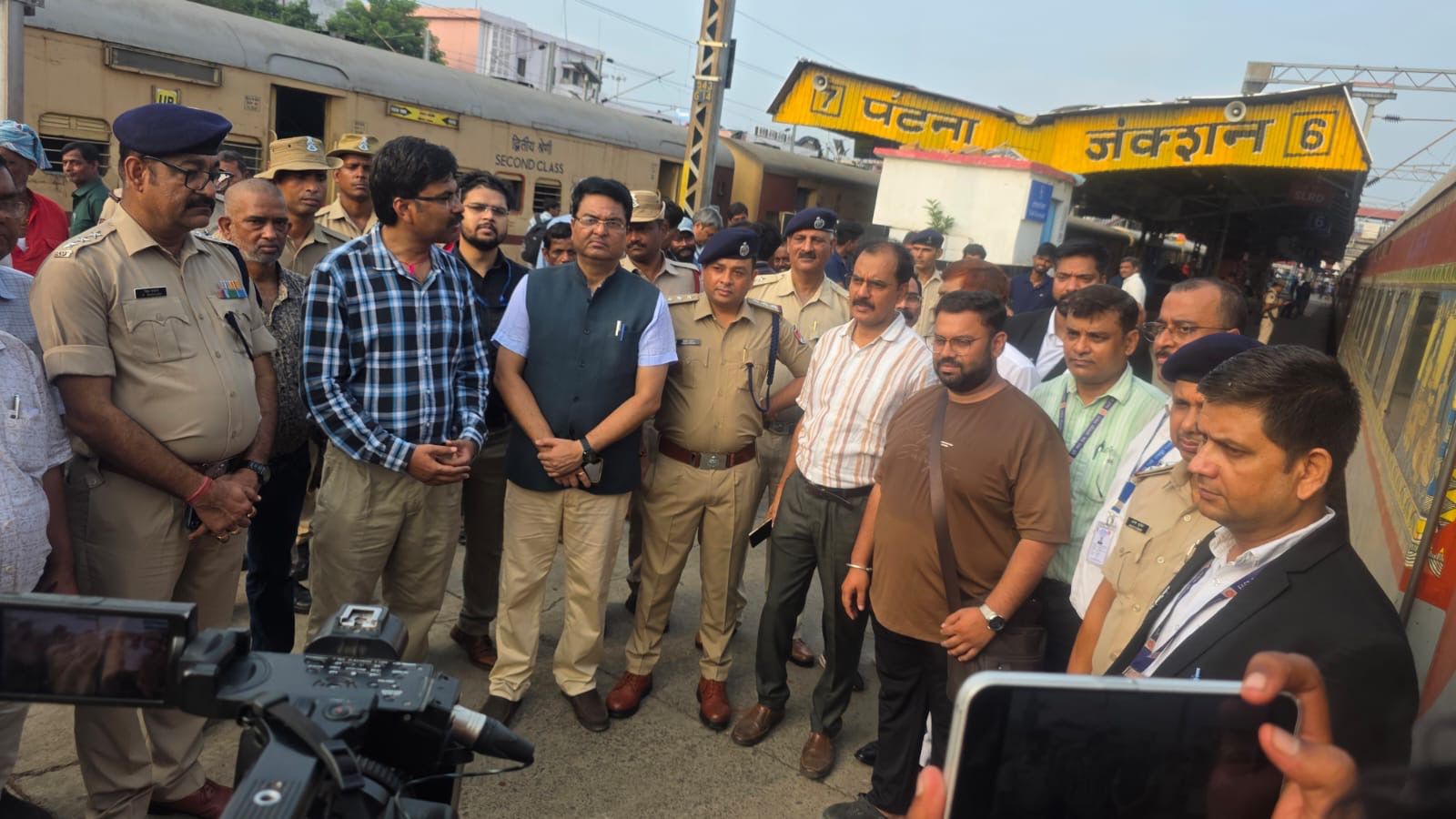
For the 106 travellers, the journey that began as a pilgrimage to Nepal ended with an unexpected lesson in survival—and in the solidarity they experienced after crossing back into India.
They left Nepal carrying memories of flooded roads, submerged bridges, rising water and two days of uncertainty. In Bihar, they were met with food, medical assistance, transport and, on Raksha Bandhan, a gesture that turned strangers into brothers and sisters.
Their journey home was not simply an evacuation. For those who had feared they might never see their families again, reaching Bihar safely marked the first moment when they could finally begin to believe that the worst was behind them.