Patna : A retired teacher living in the Saguna More area under Danapur police station limits in Patna allegedly lost Rs 30 lakh in a digital arrest scam after cybercriminals impersonating Delhi Police and Central Bureau of Investigation (CBI) officials threatened him with arrest and imprisonment.

The fraudsters allegedly kept the teacher under psychological pressure for 15 days, accusing him of being involved in a purported Rs 6.80 crore money laundering transaction. They claimed that a non-bailable warrant had been issued against him and threatened legal action.
The accused allegedly persuaded him to break his fixed deposits and transfer Rs 30 lakh to a bank account they provided. He became suspicious when they later asked him to raise a loan against his gold or provide evidence related to its authenticity.

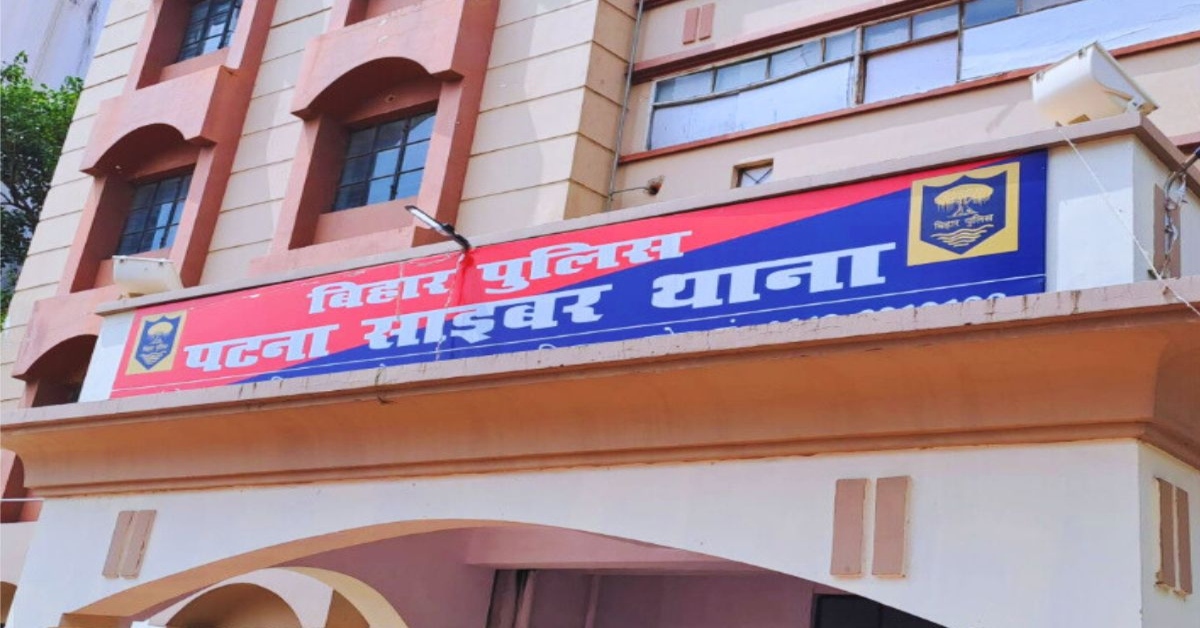
After discussing the incident with his nephew, who works at the State Bank of India, the teacher filed a complaint at the Patna Cyber Police Station. Police are investigating the case.
Fake Call Led To Threats Of Arrest
The victim, a retired Jawahar Navodaya Vidyalaya teacher who currently works on a contractual basis at a residential school in Moradabad, Uttar Pradesh, said the incident began on September 20, when he received a WhatsApp call from a woman.
The caller allegedly claimed that a SIM card had been issued using his Aadhaar details and that the mobile number he used would be disconnected.
When the teacher questioned the claim, she allegedly told him that a complaint had been registered against him at Delhi’s Barakhamba police station. She also provided a purported complaint number before connecting him to people claiming to be police officials.
During a video call, a man wearing a police uniform allegedly asked for the complaint number and connected the teacher to another person, who claimed that a non-bailable warrant had been issued in his name.
The fraudsters allegedly used details such as his name, address and Aadhaar information to make their claims appear credible.
Fake Bank Passbook Used To Build Trust
The cybercriminals allegedly accused the teacher of being linked to a Rs 6.80 crore money laundering transaction involving funds transferred from abroad.
To support the claim, they reportedly showed him a purported bank passbook from a branch in Chandni Chowk, Delhi. The document allegedly carried his photograph, name and address and was presented as evidence of an account opened in his name.
The teacher was subsequently connected to another person who claimed to be a senior police officer. The person allegedly instructed him to submit an application in the name of a purported CBI team leader, Pradeep Kumar Singh, to continue the supposed online investigation.
The accused also allegedly claimed that a man named Sudeep Kumar had been arrested and that 180 passbooks had been recovered from him.
According to the complaint, the teacher was accused of providing a bank account in exchange for Rs 2 lakh and receiving a 10 per cent commission, amounting to Rs 68 lakh, from the alleged money laundering proceeds.
The fraudsters reportedly referred to bank accounts and branches associated with the teacher and cited details about his deposits. This allegedly strengthened his belief that he was dealing with genuine investigating agencies.
Fake Court Documents And Arrest Threats
The accused allegedly invoked the names of the CBI, the Reserve Bank of India and a Delhi sessions court to make the purported investigation appear official.
They reportedly showed the teacher a document presented as a court order and used images or visuals depicting people in handcuffs to heighten his fear of arrest.
The fraudsters allegedly warned that he could be taken into custody and sent to prison if he failed to cooperate with their instructions.
Under continued pressure, the teacher travelled from Moradabad to Patna and broke his fixed deposits, including deposits held as a senior citizen.
Rs 30 Lakh Transferred Through Bank
The teacher allegedly transferred Rs 30 lakh to an account specified by the fraudsters, with the accused directing him to send the money through ICICI Bank.
They reportedly assured him that the money would be returned within 24 hours if the supposed investigation found no wrongdoing.
However, two days after the transfer, the accused allegedly demanded that he take a loan against his gold or melt it and provide proof relating to its authenticity.
The additional demand raised suspicions that the investigation was fabricated and that he had been targeted by cybercriminals.
Nephew Helps Identify The Alleged Fraud
The teacher then shared the sequence of events with his nephew, who works at the State Bank of India.
After hearing the details, the nephew reportedly told him that the incident appeared to be a cyber fraud rather than a genuine police investigation.
The teacher subsequently approached the Patna Cyber Police Station and lodged a complaint.
Police are investigating the alleged fraud and the transfer of the money. Further details about the recipients of the funds and any arrests were not provided in the report.
What Is A Digital Arrest Scam?
In a digital arrest scam, fraudsters impersonate police officers, investigators or other government officials and use video calls, fabricated documents and threats of arrest to intimidate victims into transferring money.
A genuine police investigation or court proceeding does not require a person to transfer money to a private account to prove their innocence. Claims about suspicious bank accounts, warrants or money laundering should be verified independently through official channels.
People receiving such calls should avoid transferring money under pressure and contact the relevant agency through its officially published contact details. Suspected cyber fraud can also be reported through India’s cybercrime helpline, 1930, or the National Cyber Crime Reporting Portal.
The Patna case highlights how impersonation, fabricated evidence and sustained psychological pressure can be used to target people and obtain large sums of money.