Patna: After four decades of persistent effort, the BJP has established itself as the dominant party in Bihar. Out of 101 seats contested, the party secured 89, translating to an impressive 88% strike rate. The JD(U) followed closely with 85 seats, securing the second position.

The NDA’s victory is historic: it captured 87 seats from the Grand Alliance and demolished six strongholds long held by the RJD and Congress. With the results announced on November 14, the NDA has won 202 of 243 seats and is set to form the government again, while the Grand Alliance’s tally has shrunk from 110 to just 35 seats.
NDA Gains Across Bihar

The NDA’s gains were widespread: 55 seats in Tirhut (19 more than last time), 40 seats in Magadh (22 more), and 19 seats in Shahabad (up from two in 2020). The coalition also made inroads in Mithila (+10), Ang Pradesh (+7), and Seemanchal-Kosi (+2).
Five Key Factors Behind NDA’s Landslide
- Women’s Employment Scheme Boosted Votes: The Chief Minister’s Women’s Employment Scheme transferred ₹10,000 each to 12.1 million women before the elections. Nicknamed “Das Hazari,” the scheme helped the NDA secure nearly half of the female vote. According to survey agency Vote Vibe, 48.5% of women voted for the NDA, while 37% saw the scheme as a key factor in their choice. Senior journalist Neerja Chaudhary noted that the scheme successfully overcame two decades of anti-incumbency for Nitish Kumar.
- JD(U)’s Alliance with Chirag Paswan Strengthened the NDA: In 2020, the JD(U) lost 34 seats due to Chirag Paswan’s LJP(R) contesting against them. In 2025, Chirag’s alliance with the NDA helped the JD(U) regain 22 of these seats. Chirag won 19 seats, significantly boosting the NDA’s tally. Analyst Amitabh Tiwari said the inclusion of Mahadalit voters through Chirag and Manjhi created a winning coalition for the NDA.
- “Jungle Raj” Narrative Resonated, SIR-Vote Theft Campaign Failed: The NDA effectively revived the “Jungle Raj” narrative, highlighting crimes during the Lalu-Rabri era. PM Modi and Amit Shah emphasized nepotism and corruption in the RJD-Congress, which struck a chord with women and Dalit-EBC voters. Meanwhile, the Grand Alliance’s focus on SIR and alleged vote theft failed to gain traction, as Tejashwi Yadav eventually shifted attention to employment, migration, and Nitish’s health.
- Grand Alliance Infighting Weakened Campaign: While the NDA quickly announced its seat-sharing formula, the Grand Alliance delayed its decision, causing confusion and contesting eight seats among themselves. Disputes over CM and Deputy CM candidates persisted until October 23. Political analyst Priyadarshi Ranjan noted that this lack of coordination gave the NDA a significant advantage even before voting began.
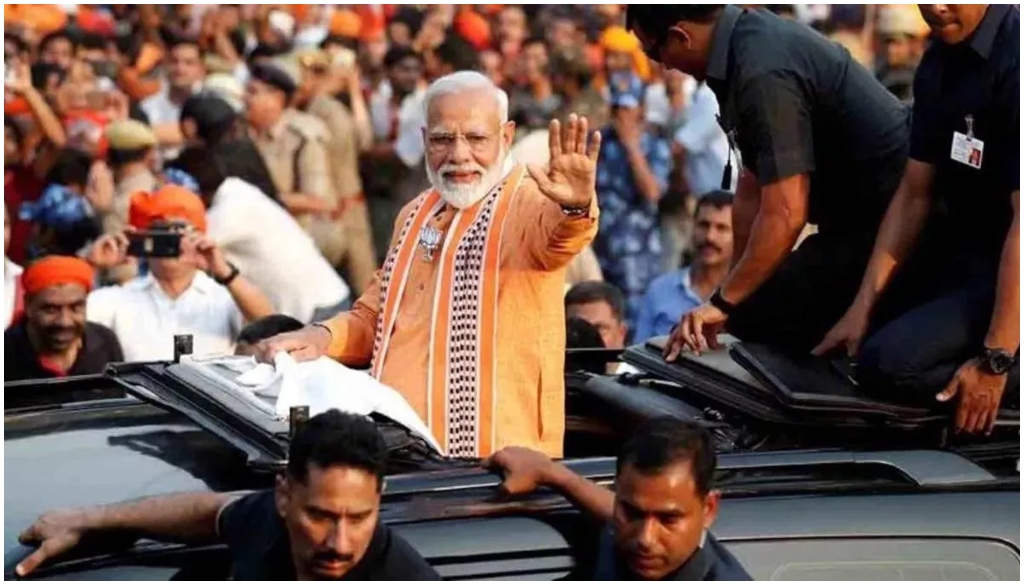
- Aggressive Campaign by NDA Leaders and Star Power: PM Modi held 14 rallies covering 115 seats, focusing on areas where the NDA had underperformed in 2020. Amit Shah conducted 28 rallies, while several Union Ministers and BJP state leaders, alongside four Bhojpuri actors—Pawan Singh, Manoj Tiwari, Ravi Kishan, and Dinesh Lal Yadav “Nirahua”—campaigned extensively. Senior journalist Awadhesh Kumar highlighted that this large-scale deployment of leaders provided a clear advantage over the Grand Alliance, which relied heavily on Tejashwi Yadav.
Conclusion
The Bihar election results highlight the NDA’s ability to combine welfare schemes, strategic alliances, and robust campaign machinery. Women and Mahadalit voters played a decisive role, while the Grand Alliance struggled with infighting and ineffective messaging. With a clear mandate, the NDA now holds a strong position in the state, further strengthening its influence in national politics.