Nalanda: Nalanda district, known as the land of ancient knowledge and spirituality, is now getting ready for a new chapter in its history. The district administration has started a big plan to improve tourism and attract more visitors from across India and abroad. This plan is expected to not only make Nalanda a world-class tourist destination but also provide employment to thousands of local people.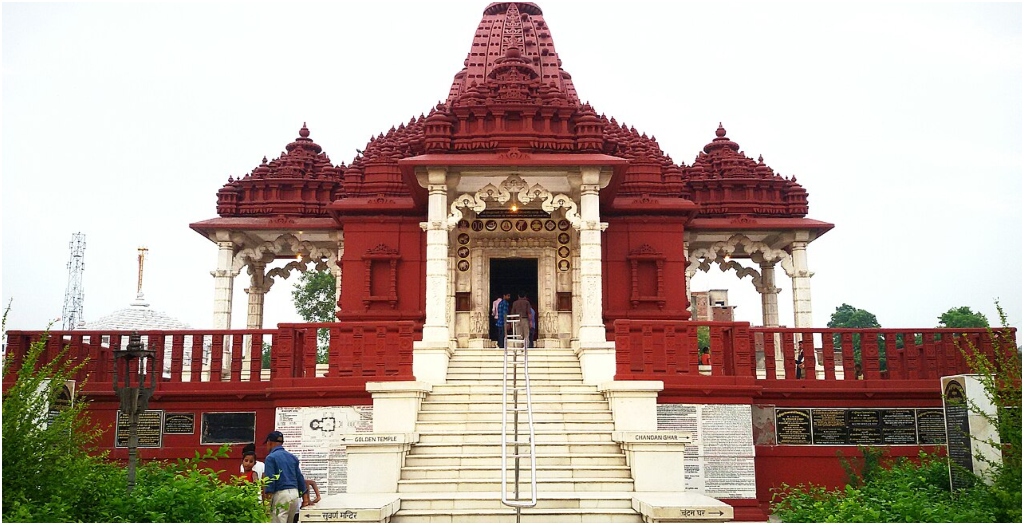

As part of this plan, 39 tourist places across the district will be developed and improved. These sites have been divided into three categories, depending on how popular they are and how much potential they have for attracting visitors. The idea is to provide better facilities, make travel easier and ensure tourists have a comfortable experience. This will encourage more people to visit and spend time in Nalanda.
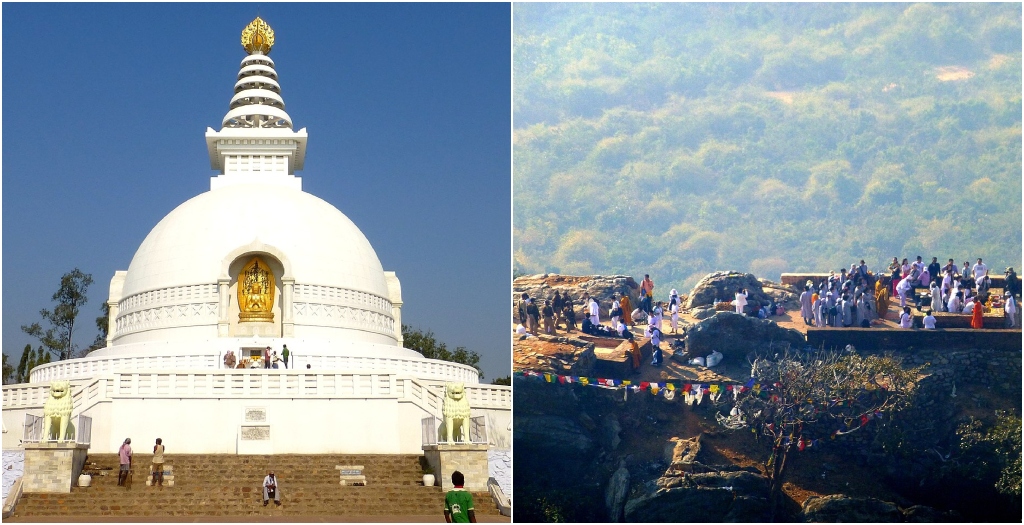
Rajgir, one of the most famous places in the district, has already seen a big change. The zoo-safari, nature safari and India’s only glass bridge have completely transformed the city’s tourism profile. Earlier, Rajgir used to be busy only during peak tourist seasons, but now people come here all year round. Sanjay Kumar, officer in charge of the Tourist Information Centre, said that about four lakh tourists visit Rajgir every month, and around 10,000 of them are from Buddhist countries like Japan, Korea, China, Thailand, Sri Lanka, Burma and Nepal. In just the first six months of this year, more than 24 lakh domestic tourists and 57,000 foreign tourists have visited. The Vishwa Shanti Stupa, one of the top attractions, sees about 5,000 visitors every single day.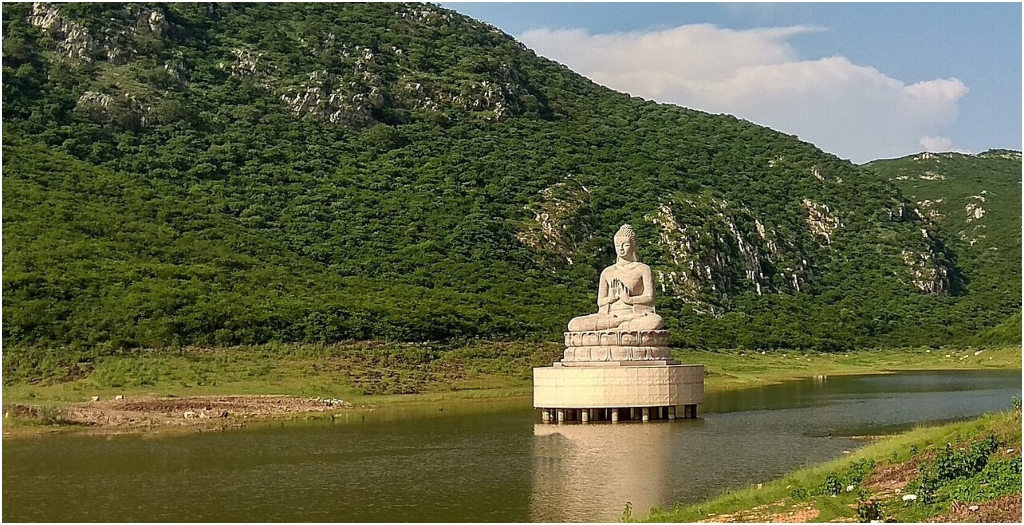

This tourism boom is bringing major benefits to the local community. Nearly 75 percent of the population of Rajgir depends on tourism for their livelihood. People are running hotels, dharamshalas, tanga rides, e-rickshaws and small shops to serve the visitors. The growing number of tourists means more business for everyone.
The district administration has classified tourist sites into three groups. The first group (A grade) includes 29 major places like Nalanda ruins, Rajgir zoo-safari, glass bridge, Vishwa Shanti Stupa, Griddhakut mountain and Pawapuri Jalmandir. The second group (B grade) has six sites, including Badgaon Sun Temple and Siddhnath Temple. The third group (C grade) has four smaller but important places such as Ghosrawan Ashapuri Temple and Hilsa Sun Temple.
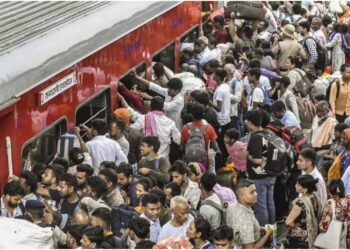
However, with the increase in visitors, there are also new challenges. Rajgir city is getting crowded, and there is a need for better roads, proper parking spaces and organised city planning. To solve these problems, the administration has prepared a new development plan for Rajgir and nearby areas within 15 km. This includes road widening, proper parking facilities, city council expansion and promotion of international sports events to attract even more visitors.
District Officer Kundan Kumar said that Nalanda has great potential to grow as a tourist hub. “We are working to find new places and develop them. The success of tourism in Rajgir is motivating us to develop other parts of the district in the same way,” he said.