Patna: Health is often described as the most precious gift, and maintaining it requires adequate nutrition. One of the most common deficiencies worldwide — iron deficiency, or anaemia — can quietly undermine overall wellbeing. The World Health Organization notes that anaemia develops when the body does not receive or absorb enough iron, affecting the production of healthy red blood cells.

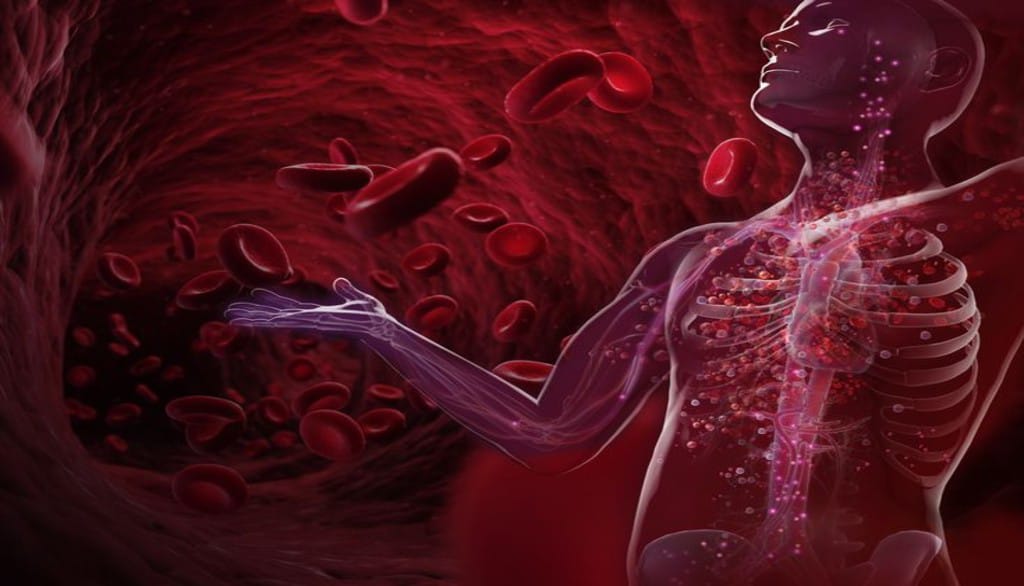
According to the UK’s NHS, iron forms a core component of haemoglobin, the protein in red blood cells responsible for transporting oxygen from the lungs to every part of the body. When iron stores drop, the body struggles to produce sufficient red blood cells, leading to fatigue, breathlessness and palpitations.
While iron supplements are often recommended, experts say that many people can improve their blood count naturally by eating the right foods. Here are the nutrient-rich options that may help.

Moringa Leaves: A Nutrient Powerhouse
Moringa, long valued in Indian diets, is exceptionally rich in iron, making it one of the most effective foods for supporting haemoglobin production. The leaves also contain calcium, potassium, magnesium, and vitamins A, C and E, all of which support immunity and energy levels.
Raisins and Dates: Everyday Foods with Remarkable Benefits
Raisins provide a potent combination of iron, copper and folate, nutrients needed to form red blood cells and maintain haemoglobin levels.
Black raisins contain vitamin C, which boosts iron absorption. Soaking them overnight and consuming them with a small amount of lemon juice may further enhance their benefits.
Dates, too, contain iron, folate and vitamin B6, and regular consumption—just 3 to 5 dates daily—may support healthy blood production.
Sesame and Pumpkin Seeds: Small but Mighty
Sesame (til) contains 14.6mg of iron per 100g, along with copper, zinc and vitamin B6. All of these nutrients play a crucial role in red-blood-cell formation.
Pumpkin seeds also offer iron, zinc, vitamin C and essential minerals, making them an excellent addition to a balanced diet aimed at preventing anaemia.
Ragi and Rajma: Iron-Loaded Staples
Ragi is one of the richest iron-containing grains — containing nearly four times the iron found in wheat. It also provides vitamin C, which enhances iron absorption.
Rajma (kidney beans) is another good plant source of iron. Eating it with vitamin-C-rich foods such as lemon, tomato or citrus fruit helps the body absorb more iron effectively.
Spinach and Leafy Greens: The Classic Solution
Spinach is well known for its iron and folate content. When cooked — rather than eaten raw — the body absorbs iron more efficiently. Pairing it with tomatoes, oranges or lemon juice boosts the nutrient uptake even further.
Chicken Liver and Eggs: Animal Sources of Iron
Chicken liver contains iron, vitamin B12 and folate, all essential for forming healthy blood cells.
Eggs, particularly the yolk, also supply a moderate amount of iron and are easy to incorporate into daily meals.
Disclaimer:
This article provides general information based on scientific research and medical guidance. Always consult a healthcare professional before making dietary changes or replacing prescribed supplements.