Supaul: The Kosi-Mechi River Link Project, a long-awaited initiative aimed at transforming the agricultural landscape of Bihar’s eastern districts, is progressing with survey work currently underway, officials said. The ₹6,282-crore project is designed to ease recurring flood problems and boost irrigation across the Seemanchal region.

“Survey work is currently underway for the Kosi-Mechi project. Construction work will begin soon after the survey is completed,” said Anil Kumar, Chief Engineer of the Irrigation Division in Saharsa.
Once completed, the 117.50-kilometre link will divert excess floodwater from the Kosi River into the Mechi River, helping protect villages located within the embankment zones. The project is expected to provide assured irrigation to more than 2.14 lakh hectares of farmland in Araria, Purnia, Kishanganj, Katihar, Khagaria, Madhepura, and adjoining districts, offering a major relief to millions of farmers.

Executive Engineer Rajesh Kumar from the Veerpur Irrigation Division added that silt removal will be prioritised at Bhenga Dhar to improve river flow. “A survey is being conducted by Hrithik Company. Following its completion, sand extraction up to 31 RD will be carried out,” he said.
The initiative is being carried out under the Accelerated Irrigation Benefit Programme of the Pradhan Mantri Krishi Sinchai Yojana. Authorities expect the scheme to be completed by March 2029. The tendering process has been finalised, and execution will begin after completion of the ongoing surveys, officials confirmed.
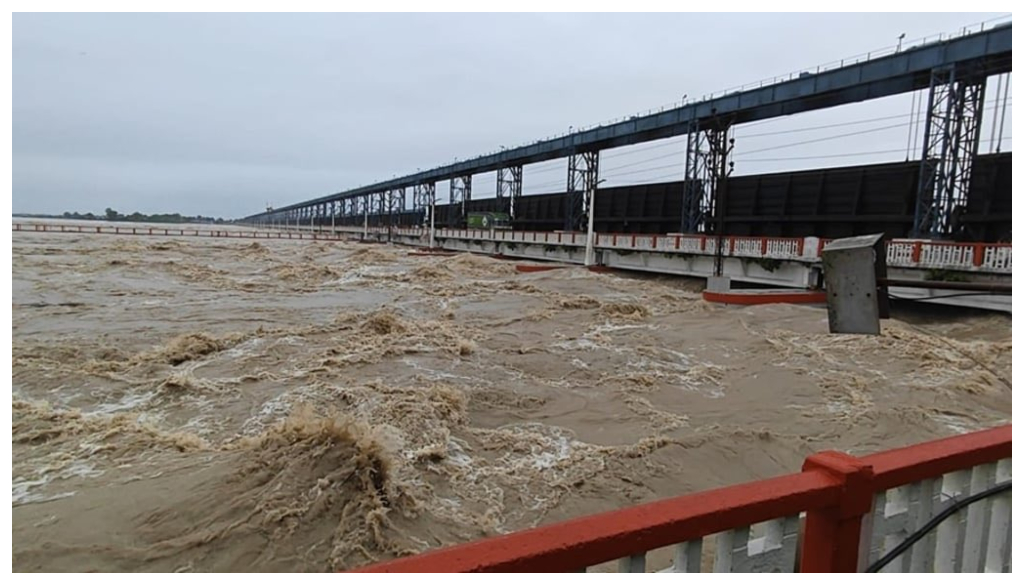
Flooding in the Kosi basin remains one of Bihar’s biggest challenges. Every monsoon, rising water levels destroy homes, farmland, and livelihoods, especially for people living within the embankment areas. The river’s fast-changing course and heavy silt deposits often worsen the situation.
With the new river link, the government aims to reduce the pressure on embankments and minimise the threat of floodwaters spilling over into habitation zones. The project also promises to open up new irrigated land, supporting crop diversification and higher agricultural productivity in the flood-affected belt.
Local farmers and experts say that the project holds the potential to change the economic fortunes of the region if executed efficiently and within the proposed timeline.