New Delhi/Patna: The National Makhana Board has formally launched work on the Central Makhana Development Scheme, assigning Bihar’s premier agricultural institutions a key role in supplying quality seeds and training farmers across India. The decisions were taken at the Board’s first meeting, held at Krishi Bhawan in New Delhi.

Under the plan, Bihar Agricultural University (BAU), Sabour, along with other research bodies, will be responsible for producing and supplying high-quality makhana seeds. Rajendra Central Agricultural University, Pusa, and the National Research Centre (NRC) for Makhana in Darbhanga will be developed as national training hubs where trainers from various states will learn advanced technologies related to the makhana value chain.
Officials said the Board would first assess seed requirements across all states. The annual action plans of states and research institutions were reviewed, with an emphasis on ensuring that farmers receive certified seeds through coordinated efforts between universities and research centres.

Research, processing technology and market expansion
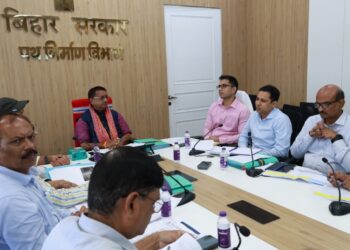
The meeting, chaired by Dr Devesh Chaturvedi, Secretary at the Ministry of Agriculture and Farmers Welfare, also decided to prioritise need-based research on makhana cultivation and improve technologies for processing, including grading, drying, popping and packaging.
Pankaj Kumar, Principal Secretary of the Bihar Agriculture Department, and Dr D.R. Singh, Vice-Chancellor of BAU Sabour, were among the attendees. The Board approved budget allocations for technology development, infrastructure creation and market-oriented interventions.
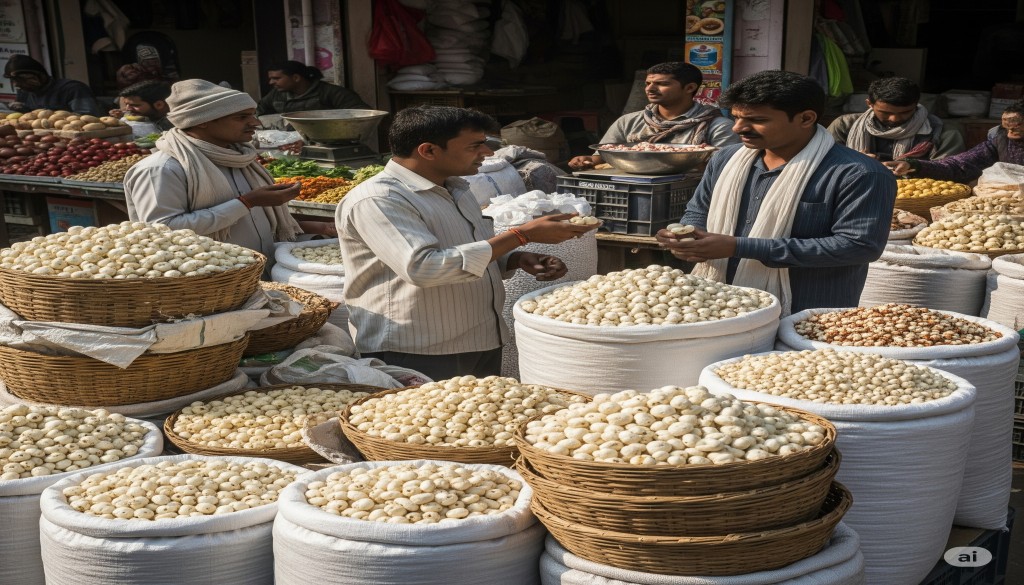
The scheme will also strengthen value addition, branding, market linkages and export opportunities. Discussions covered increasing makhana production, expanding technology transfer to farmers, offering subsidies and promoting startups and entrepreneurship within the sector.
Officials said the decisions are expected to directly benefit farmers and new enterprises, helping expand India’s makhana industry and positioning Bihar — the crop’s traditional heartland — at the centre of a national push toward systematic development of the crop.