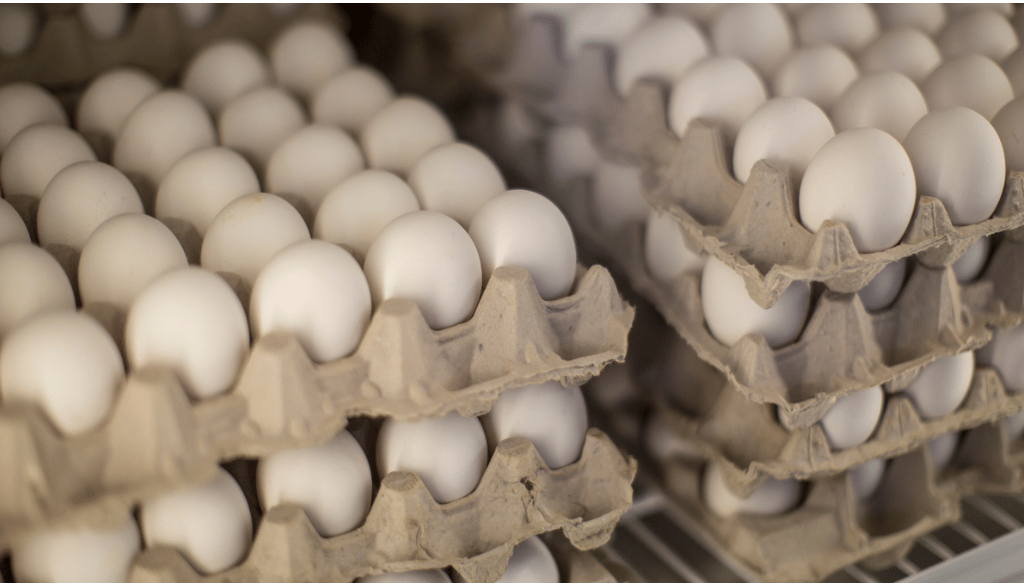
Patna: India’s eastern state of Bihar has entered the list of the country’s top 10 egg-producing states, marking a significant shift in its agricultural profile from a net consumer to an emerging producer.

According to the latest Animal Husbandry Statistics released by the Ministry of Fisheries, Animal Husbandry & Dairying (MoFAHD), Bihar produced 34,401 lakh eggs in 2023–24, up from 9,845 lakh in 2014–15 — an increase of more than three times in nine years. The growth rate is among the fastest recorded nationally during the period.
Traditionally, India’s egg production has been dominated by states such as Andhra Pradesh, Tamil Nadu, Telangana, West Bengal, Karnataka and Maharashtra. Bihar’s entry into the top 10 signals a broader regional diversification in poultry farming, officials and industry representatives say.

Experts attribute the rise to a combination of factors, including the rapid spread of poultry farming in rural areas, government-backed schemes such as the Chief Minister’s Poultry Development Programme, and improved access to training, subsidies and market linkages for small farmers.
“The steady increase reflects both policy support and growing consumption,” said P K Agrawal, president of the Bihar Chamber of Commerce and Industries. “Rising demand in urban and rural areas, coupled with affordable labour and favourable climatic conditions, has made poultry an attractive investment sector in the state.”
Data shows the sharpest surge occurred after 2018–19, when production jumped from 12,185 lakh eggs in 2017–18 to 17,633 lakh the following year, followed by sustained growth above 30,000 lakh eggs annually for four consecutive years.
Nationally, egg production rose from approximately 7.84 billion eggs in 2014–15 to 14.27 billion eggs in 2023–24, reflecting the sector’s rapid expansion. While southern states continue to dominate output, Bihar’s performance highlights the growing role of eastern India in meeting the country’s protein demand.
Officials say the focus now is on improving infrastructure, disease control and supply chains to ensure long-term sustainability of the sector.