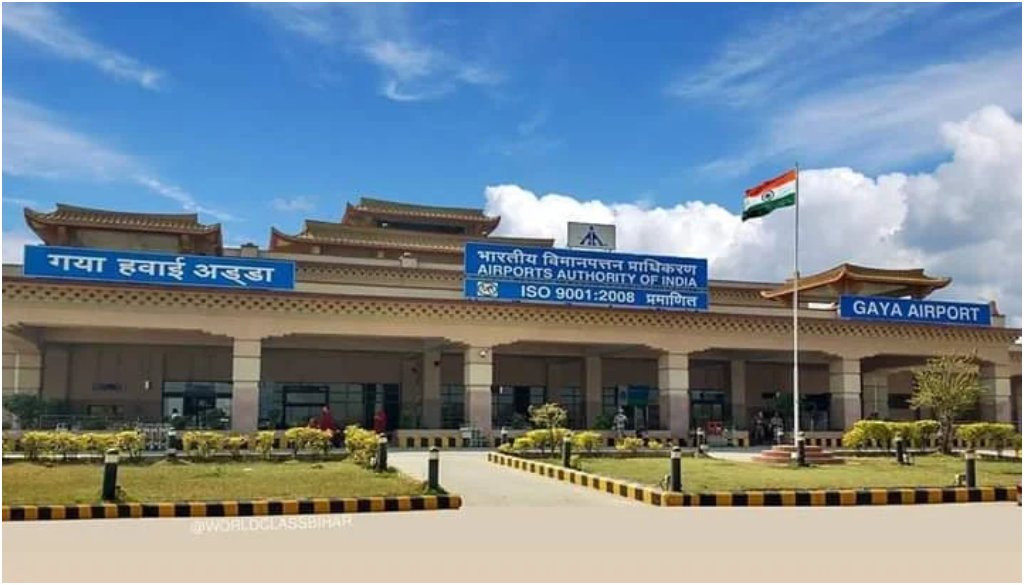
Gayaji: A major drug smuggling case has come to light at Gayaji International Airport, where the Directorate of Revenue Intelligence (DRI) seized a large quantity of hydroponic marijuana from an international passenger. The seizure was made during a routine arrival from Bangkok, but officials said the action was taken after receiving specific intelligence inputs. In total, around 17 kilograms of foreign hydroponic marijuana was recovered, with its estimated value in the international market being nearly Rs 17 crore.

The accused has been identified as Akash Shrichand Sohanda, a resident of Maharashtra. He had arrived in Gayaji on a Thai Airways flight from Bangkok. As soon as the flight landed, DRI officials kept a close watch on him. During a detailed search of his baggage, the officials found the high-quality narcotic substance carefully concealed inside. Hydroponic marijuana is grown using modern technology and is considered much stronger and more expensive than ordinary cannabis.
According to DRI officials, such drugs are usually smuggled into India through well-organised international networks. Because of its high demand and high price, hydroponic marijuana is often transported across borders by trained carriers. The officials believe that this seizure is not an isolated case and may be linked to a larger drug trafficking network operating between foreign countries and India.

The case has also drawn attention to coordination issues at the airport. Gayaji Airport Director Awadhesh Kumar said the airport administration was not officially informed before the operation. He added that he received only informal details about the seizure, which made it difficult to report accurately to higher authorities. The DRI, however, maintained that the operation was carried out secretly based on confidential information to ensure the success of the action.
At present, the accused is in custody and is being questioned in detail. Investigators are trying to find out who was supposed to receive the drugs and who else is involved in the network. A case has been registered under the NDPS Act, and further legal action will be taken as the investigation continues