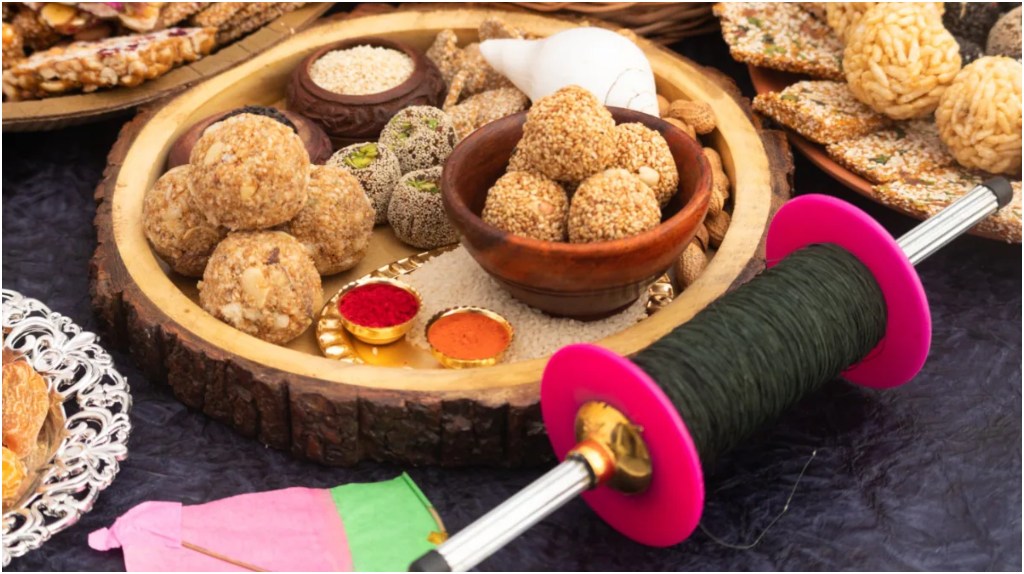

Patna: Makar Sankranti, one of Hinduism’s most significant solar festivals, will be observed across India on January 14, according to the Hindu almanac (Panchang). The date is determined not by the lunar calendar but by the sun’s movement into Capricorn (Makara), marking the start of its northward journey, known as Uttarayana.
Astrologically, Makar Sankranti occurs when the sun transits from Sagittarius into Capricorn, an event associated with the end of Kharmas—a period considered inauspicious—and the resumption of religious and social ceremonies. The transition is also referred to as the “day of the gods” and is widely believed to usher in a phase of positivity and renewal.

In 2026, the solar transit will take place at 3.13pm on January 14, and the festival will be celebrated on that day nationwide.
Auspicious hours and ritual practices
According to astrologer, the Punya Kaal—the most auspicious period for rituals—will begin at 3.13pm and last for approximately two hours and 32 minutes. Devotees traditionally perform ritual bathing, charity and offerings to the sun during this window, which is believed to bring enhanced spiritual merit.
Taking a dip in the Ganges or other sacred rivers before sunrise is considered particularly auspicious. Acts of donation, especially of food, clothes and money, are commonly observed, with a belief that such offerings yield multiplied benefits and promote prosperity and harmony within families.
Resumption of auspicious ceremonies
Makar Sankranti also signals the return of favourable days for major life events. With the onset of Uttarayana, ceremonies such as weddings, housewarmings and head-shaving rituals are traditionally resumed. The period is associated with longer days, improving weather and what many believe to be the sun’s increasingly beneficial influence on health and wellbeing.
Sun worship on Makar Sankranti
Devotees typically rise during Brahma Muhurta, the pre-dawn hours, to meditate and prepare for worship. After ritual bathing, offerings of water to the sun are made using a copper vessel, often accompanied by rice grains and flowers. Mantras dedicated to the sun deity are chanted, followed by Surya Stuti (hymns in praise of the sun).
While regional customs vary, the festival’s central theme remains consistent: marking a cosmic transition that symbolises light, renewal and the beginning of an auspicious phase in the Hindu calendar.