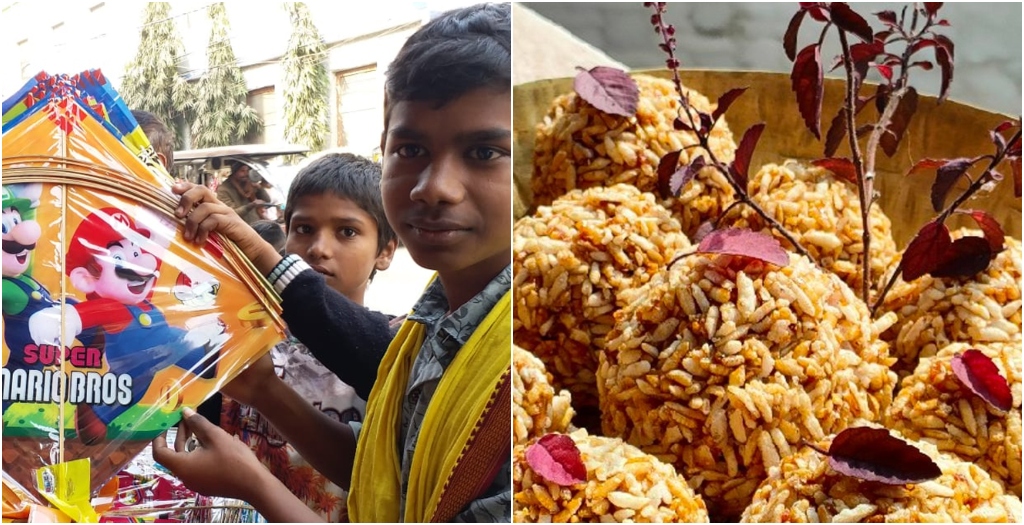
Patna: Makar Sankranti was celebrated across Bihar with great enthusiasm, devotion and community spirit. The festival began with the sun’s movement into the Capricorn zodiac sign, which is considered highly auspicious in Hindu belief. From early morning, large numbers of devotees gathered at the ghats of rivers such as the Ganges and Son to take ritual baths and offer prayers. People believed that bathing and worship on this day bring happiness, prosperity and relief from past sins, making the riverbanks the centre of religious activity.

Temples across the state witnessed a steady flow of devotees throughout the day. Priests highlighted the importance of charity on Makar Sankranti, especially the donation of sesame seeds, jaggery, grains, clothes and blankets. Many families prepared khichdi and sesame-based sweets like tilkut in their homes and shared them with neighbours and the poor. In several places, food was distributed to those in need, reflecting the festival’s strong message of kindness and sharing.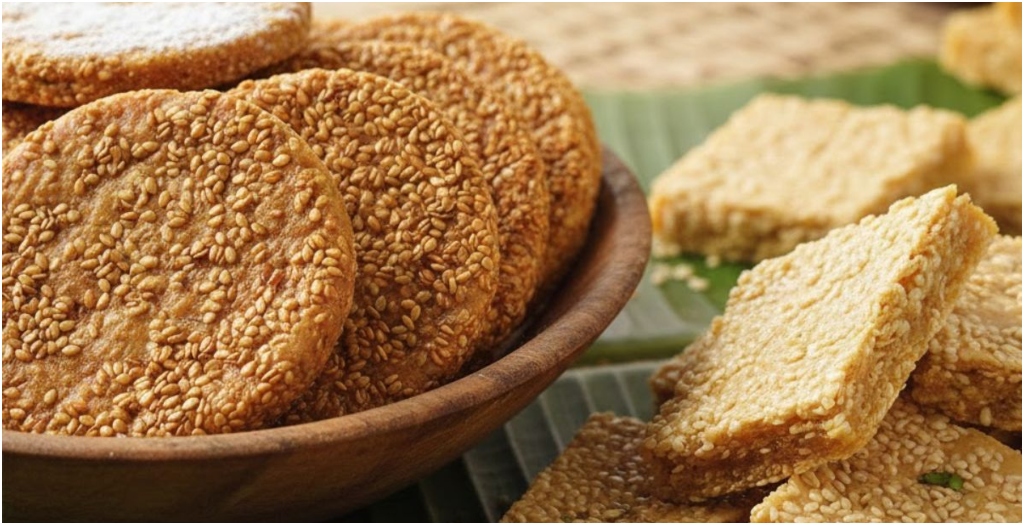
Alongside religious rituals, markets across districts came alive with festive shopping. From early morning, shops selling sesame seeds, jaggery, flattened rice, rice, lentils, vegetables and puja items were crowded with customers. Temporary stalls selling traditional sweets and snacks did brisk business. Shopkeepers said sales were much higher than on normal days, as almost every household needed special ingredients for khichdi and festive dishes.

Traditional food remained at the heart of the celebrations, but modern preferences were also visible. Many young people chose neatly packed tilkut, ready-to-eat khichdi and gift packs. Women purchased new utensils, clothes and puja materials for their homes. Although prices of some items saw slight increases due to high demand, people continued to shop enthusiastically, placing more importance on tradition than cost.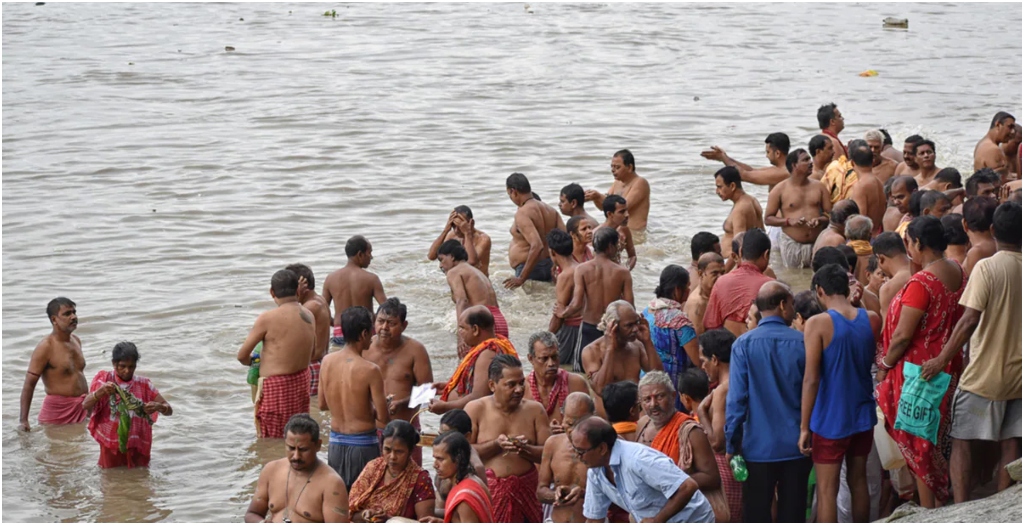
Khichdi and tilkut emerged as the main symbols of the festival. Sales of local rice, lentils, ghee and spices increased sharply, while tilkut shops saw long queues throughout the day. Shopkeepers said the cold weather further boosted the demand for sesame sweets, which are believed to keep the body warm during winter. In many areas, community khichdi feasts were also organised, strengthening social bonds.
To manage the large crowds at markets and river ghats, the administration made special arrangements for security and traffic control. Police personnel were deployed at busy crossings, and volunteers and divers were stationed near bathing areas to prevent accidents. Alternative routes were introduced to keep traffic moving smoothly. Officials said these measures helped ensure that the celebrations remained peaceful and safe.
The festive spirit was equally visible in rural areas, where villagers gathered early in the morning to bathe in ponds and rivers. Khichdi was prepared in every household and exchanged among relatives and neighbours. Children enjoyed flying kites, while elders spent the day in prayer and charitable activities. For farmers, Makar Sankranti held special importance as they prayed for a good harvest and prosperity in the coming season.
Overall, Makar Sankranti once again highlighted a beautiful blend of faith, tradition and everyday life in Bihar. From prayers and charity to shopping and shared meals, people participated in every aspect of the festival with joy and devotion. The crowded ghats and lively markets showed that Makar Sankranti remains not only a religious occasion but also a powerful social and cultural celebration that brings communities together.