Patna: The observance of Kharmas has come to an end with the festival of Makar Sankranti, reopening the calendar for marriages, housewarmings and other auspicious ceremonies across much of India, according to Hindu religious tradition.

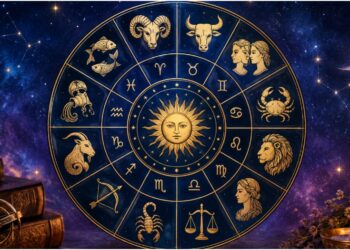
Makar Sankranti marks the sun’s transition into Capricorn, signalling the start of Uttarayan — a phase regarded as especially favourable in astrology. The period is traditionally associated with positive beginnings, charitable acts and the performance of rites that are avoided during Kharmas.
Astrologers describe Uttarayan as the time when “the day of the gods” begins, a belief that underpins its religious importance. Acts of worship and charity performed during this phase are thought to bring amplified spiritual merit, lending the festival significance beyond its seasonal and agricultural associations.

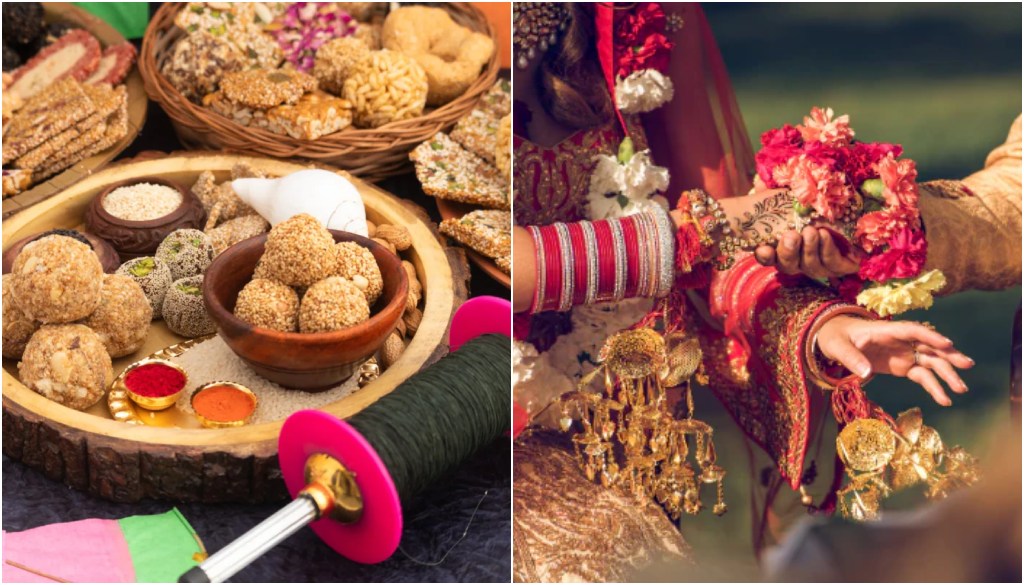
The days following Makar Sankranti are also considered auspicious for ritual bathing and donations. Bathing in sacred rivers such as the Ganges, Yamuna and Saraswati is believed to hold particular merit, while those unable to travel often add Ganges water to their bath at home. Offerings of sesame seeds, jaggery, rice, khichdi, grains and clothing are traditionally encouraged.
Kharmas itself is observed when the sun is in Sagittarius, a period during which major life-cycle ceremonies — including weddings and griha pravesh (housewarmings) — are typically deferred. With the sun’s movement into Capricorn, these restrictions are lifted and priests resume the calculation of favourable dates using the Hindu calendar, or panchang.
Charitable giving during this time is seen as both a religious duty and a social act. Donations of blankets and warm clothing are common during the winter months, reflecting a belief that charity after Makar Sankranti yields lasting spiritual rewards while offering practical help to those in need.
With Kharmas over, wedding planners and families are preparing for a busy season ahead. Scholars and priests note that while Makar Sankranti marks the reopening of auspicious periods, specific dates for ceremonies are still determined through consultation of the panchang. For many, the festival symbolises not only a change in the solar cycle but the beginning of a hopeful and propitious phase.