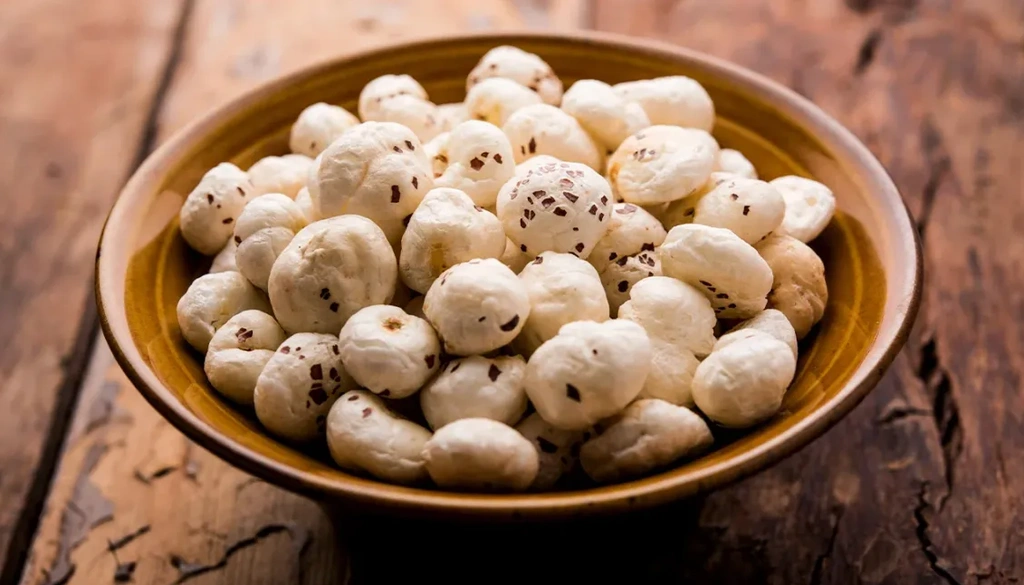
Purnea: The proposed increase in import tariffs by the United States is causing deep concern among makhana farmers and traders in Bihar, especially in Purnea and the wider Seemanchal–Mithilanchal region. Makhana, also known as fox nut, is one of Bihar’s most important agricultural products and a key source of income for thousands of families. Exporters say the new tariffs could sharply raise prices in the US, making makhana less affordable for American consumers and reducing demand.

At present, makhana exported to the US faces a tariff of around 3.5%, but this is expected to rise to nearly 30%, and possibly even higher. Such a sharp increase would make Indian makhana far more expensive in the American market. Traders fear that demand could fall by 40 to 60%, which would directly affect exports from Bihar. If shipments slow down, the impact will be felt immediately in local markets, where prices could drop and stocks may remain unsold.
The concern is particularly serious because Seemanchal and Mithilanchal together produce about 90% of the country’s makhana. Purnea district alone has emerged as the centre of both cultivation and trade. Around 10,000 hectares of land in Purnea are currently under makhana farming, a figure that has grown steadily after the introduction of the high-yielding Sabour Makhana-1 variety. The Harda market in Purnea, the largest makhana market in Bihar, plays a crucial role in setting prices across India and supports more than 100 processing units.

Exporters say the problem will not stop with makhana. Other Bihar products sent to the US, including mangoes, litchis, turmeric, Madhubani paintings, Bhagalpuri silk and handicrafts, are also likely to become more expensive due to higher tariffs. Manish Kumar, director of Farm to Factory, says nearly 30% of all makhana exports go to the US, making it the single most important foreign market. Another trader, Amarendra Kumar, points out that makhana has gained global attention as a healthy, plant-based superfood. If the US market shrinks, exporters will have to look for buyers in Europe, the Middle East and Asia, but they warn that strong government support will be needed to protect farmers from the growing uncertainty of global trade.