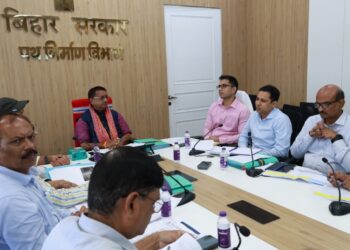
Patna: The Government of Bihar has taken a major step to revive its sugar industry by signing an agreement to set up two new cooperative sugar mills in north Bihar. The move is part of the state’s “Saat Nischay-3” programme, which focuses on strengthening industry and creating jobs. The agreement was signed between the state’s cooperation department and the National Federation of Co-operative Sugar Factories Ltd. (NFCSF), a New Delhi-based organisation with experience in developing and reviving sugar mills across the country.

The new mills will be established in Sakri in Madhubani district and Rayam in Darbhanga district. Both places had sugar mills in the past that later shut down. Officials said land is already available at the old mill sites, and the process of transferring it to the cooperation department is under way. The federation will first prepare a feasibility report to study whether the projects are practical and profitable. After that, a detailed project report will be prepared. Once approved, construction work will begin.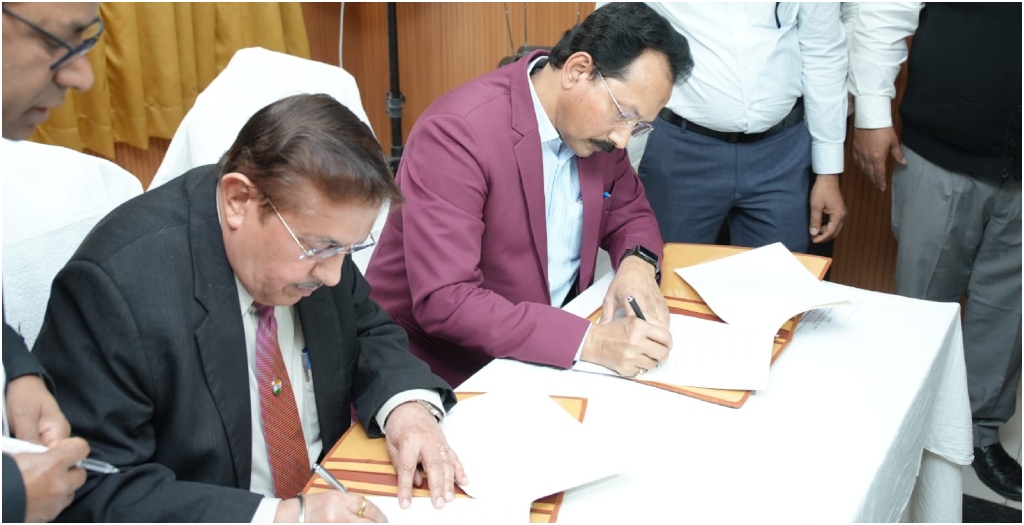
According to the state government, the new sugar complexes will not only produce sugar but will also generate electricity, manufacture ethanol and produce compressed biogas. This means the mills are expected to become full industrial centres, creating more jobs and supporting related businesses. A team from the federation has arrived in Patna and has begun field visits in Madhubani and Darbhanga to study the ground situation and meet local stakeholders.

Dr Pramod Kumar, Bihar’s cooperation minister, said that cooperative societies of sugarcane farmers will be formed in the areas around the mills. This will give farmers a permanent local market for their crops and help them receive fair prices. He said the project would create employment in rural areas and bring new investment into the local economy. Other officials also expressed confidence that with expert support from the national federation, the mills would be financially strong and sustainable.
Bihar has a long history of sugar production, but many mills closed over the years due to financial difficulties and poor management. By reviving the cooperative model, the state hopes to bring new life to the sector and support thousands of sugarcane farmers. If the plan succeeds, the Sakri and Rayam mills could become important centres of rural growth and industrial development in the coming years.