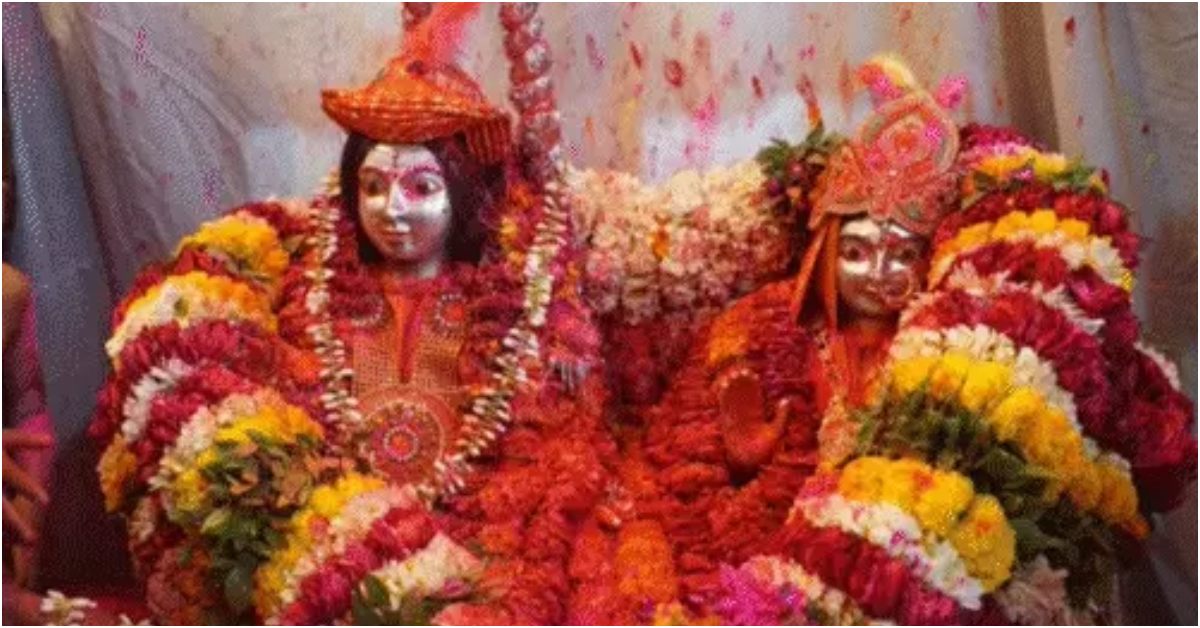
Patna: Rangbhari Ekadashi is being observed on Today during the Shukla Paksha of the Hindu month of Falgun, with devotees marking the day through fasting, temple rituals and the ceremonial offering of colours to Lord Shiva.

The festival, which coincides this year with Ardra Nakshatra and Ayushmaan Yoga, is regarded as especially auspicious by Hindu priests and astrologers. Traditionally dedicated to the worship of Lord Vishnu, the Ekadashi fast takes on added significance during Rangbhari Ekadashi, when Shiva is also venerated and Holi festivities symbolically begin.
In temples across Varanasi – known in Hindu tradition as Kashi – devotees offer belpatra (bael leaves), bhaang and coloured powders such as abir and gulal to Shiva. The rituals mark the ceremonial start of Holi, with priests adorning idols and conducting special aartis with ghee lamps and camphor. Bathing in sacred rivers, making donations and undertaking religious observances on this day are believed to bring spiritual merit.

Astrologer said a rare conjunction of four auspicious yogas had formed this year, heightening the day’s spiritual importance. Alongside Shiva worship, rituals dedicated to Vishnu are also being performed, including prayers to Shaligram stones, offerings of amla (Indian gooseberry), recitation of the Vishnu Sahasranama and Purusha Sukta, and chanting of Vedic mantras.
Mythological origins
According to Hindu mythology, Rangbhari Ekadashi commemorates the first visit of Shiva to Kashi after his marriage to Goddess Parvati. Legends recount that sages and Shiva’s followers welcomed him with showers of coloured powders, a gesture that evolved into the ritual offering of abir and gulal at the Kashi Vishwanath Temple. The ceremony is now seen as the formal commencement of Holi in the city.
Amalaki Ekadashi and the sacred amla tree
The day is also observed as Amalaki Ekadashi, which devotees consider comparable in merit to Akshaya Navami. Religious scholars say the amla tree is worshipped on this occasion because, according to scripture, it was among the first creations at the beginning of the universe and is especially dear to Vishnu.
Tradition holds that Vishnu resides at the root of the tree, Brahma above it and Rudra in its trunk, while sages, deities and other divine beings inhabit its branches, leaves, flowers and fruits. Devotees therefore offer prayers to the tree, seeking blessings for prosperity and spiritual growth.
Auspicious timings
Priests have announced several muhurats, or auspicious time windows, for worship:
- Chara-Labh Muhurta: 6:16am to 9:09am
- Amrit Muhurta: 9:09am to 10:36am
- Abhijit Muhurta: 11:39am to 12:25pm
- Shubh Yoga Muhurta: 12:02pm to 1:29pm
- Pradosh Muhurta: 5:49pm to 8:26pm
With temples witnessing large gatherings from early morning, Rangbhari Ekadashi once again signals the spiritual and cultural onset of Holi celebrations in one of Hinduism’s holiest cities.