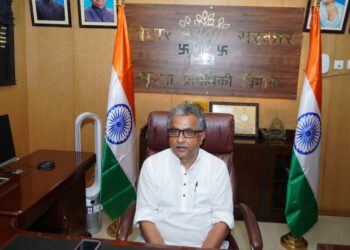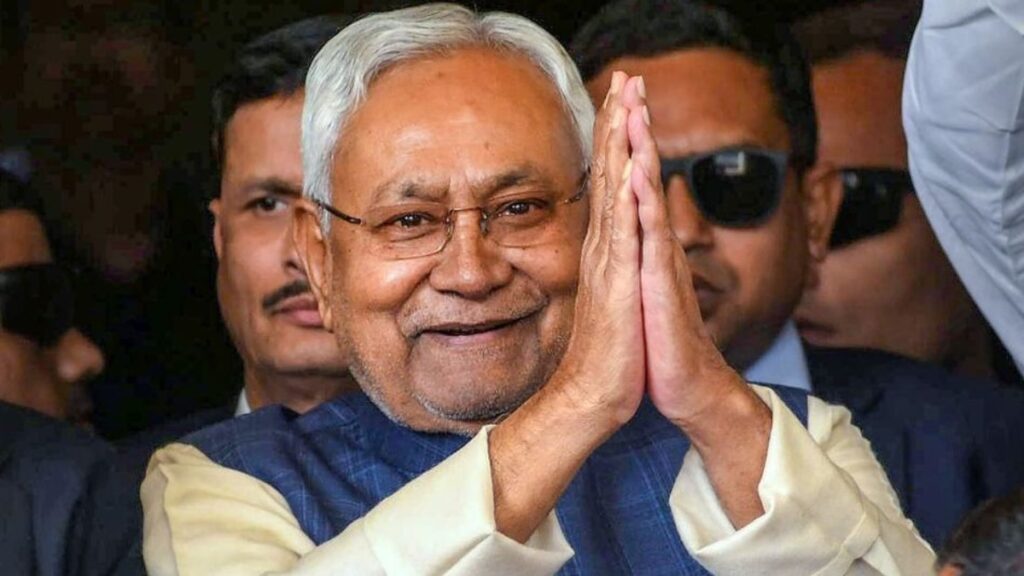
Patna: Chief Minister Nitish Kumar’s tenure in Bihar, spanning more than two decades in different phases, has been widely associated with governance reforms and development initiatives. Among the most notable areas of focus during his administration have been women’s empowerment and the strengthening of infrastructure across the state.

A landmark policy came in 2006 when the Bihar government introduced 50% reservation for women in the state’s three-tier Panchayati Raj system. The provision was later extended to urban local body elections, significantly increasing women’s participation in grassroots governance. As a result, women began occupying positions such as mukhiya and ward members in villages across the state. Although the early years saw criticism and the term “mukhiya pati” used to suggest male relatives were influencing elected representatives, many women leaders gradually began asserting their independent roles in local administration.
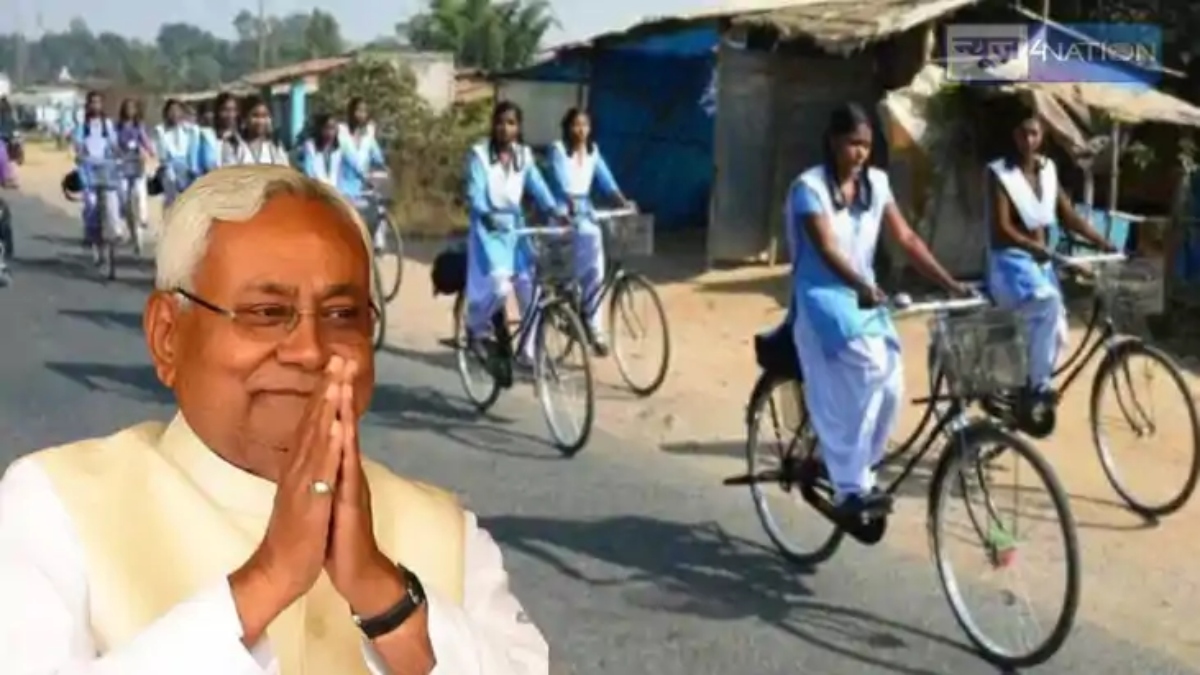 The government also launched several initiatives aimed at improving girls’ education. One of the most widely recognised schemes is the Mukhyamantri Balika Cycle Yojana, which provides financial assistance to schoolgirls to purchase bicycles for commuting to school. Alongside it, the Mukhyamantri Balika Poshak Yojana offers support for school uniforms. These measures were designed to reduce dropout rates among girls and encourage regular school attendance. Over time, officials say the initiatives contributed to a sharp rise in female participation in education, with the number of boys and girls appearing in matriculation examinations becoming nearly equal.

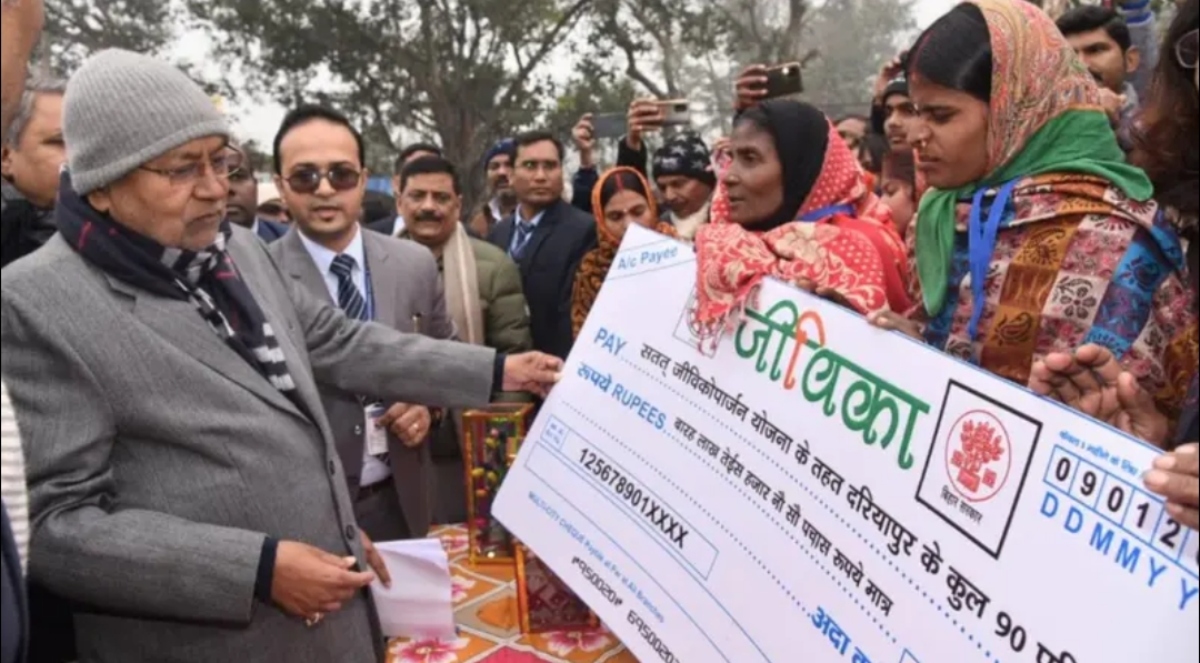 Another major programme introduced during Nitish Kumar’s tenure is the Jeevika initiative, which aims to promote women’s economic self-reliance through self-help groups. Launched with financial support from the World Bank, the programme now includes around one million groups across Bihar, involving more than 10 million women. Through these collectives, women have gained access to credit and training, enabling many to start small businesses and income-generating activities.
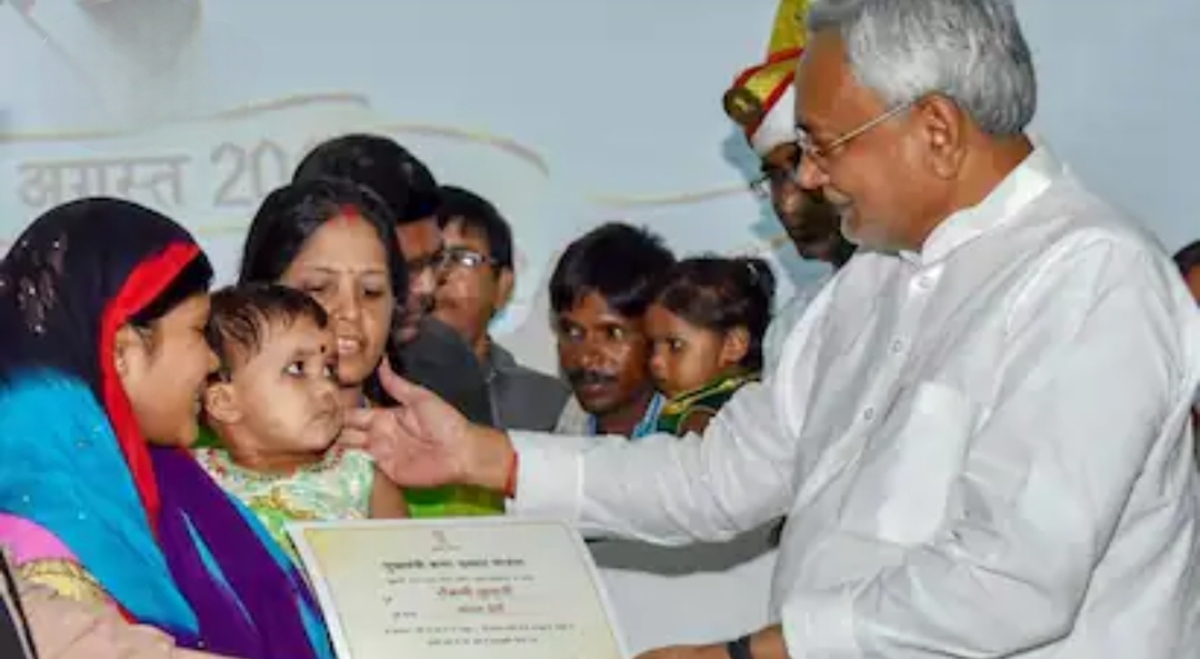 To further promote entrepreneurship, the state introduced the Mukhyamantri Mahila Udyami Yojana, which offers financial assistance of up to Rs 10 lakh to women starting businesses, including a subsidy component of Rs 5 lakh. Another initiative, the Mukhyamantri Mahila Rozgar Yojana, was launched to provide initial financial support to women for livelihood activities, with further assistance available after verification of business operations.
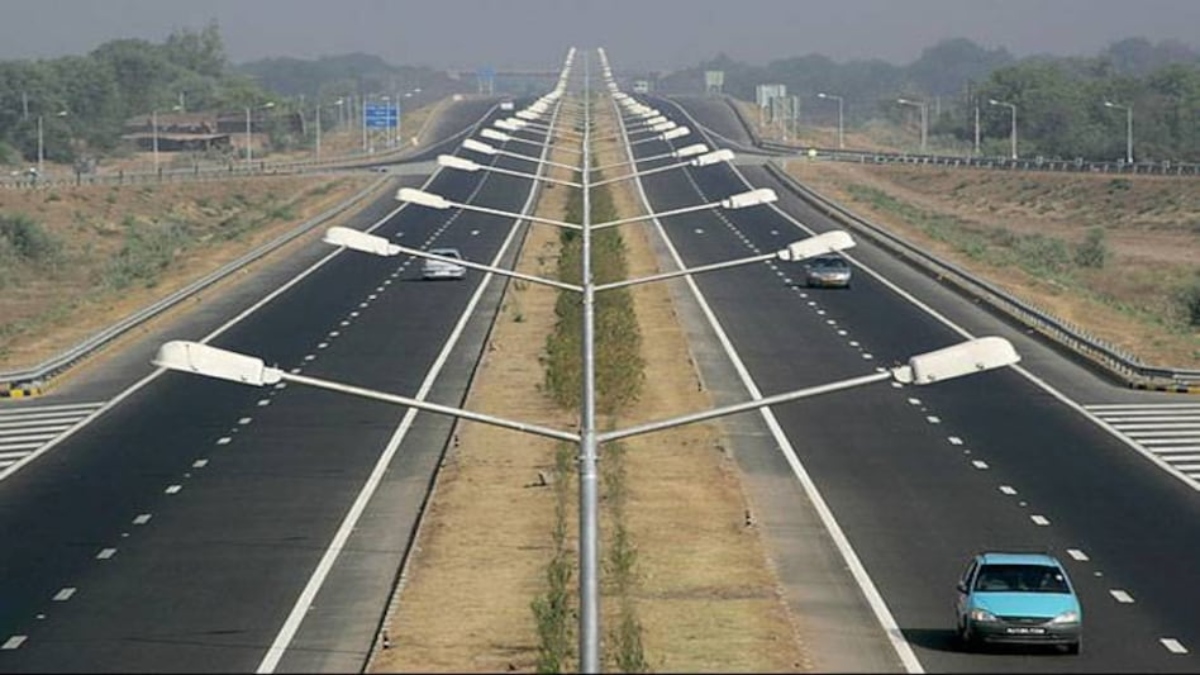 Alongside these social initiatives, the Bihar government undertook large-scale infrastructure projects. Road development gained momentum with the Patna Road Project and was later expanded with support from the Asian Development Bank to upgrade several state highways. Since 2005, the state has also invested about Rs 1,000 crore of its own funds in the development of national highways.
Officials say infrastructure expansion has also included the construction of numerous bridges and the extension of rural roads to smaller settlements and hamlets. Rural electrification has also improved significantly, with many villages now receiving electricity for up to 22–23 hours a day, marking a considerable improvement from earlier years.
Together, these initiatives in social welfare and infrastructure have been central to the Nitish Kumar administration’s development narrative, shaping Bihar’s governance agenda over the past two decades.