Aurangabad: The four-day festival of Chaitra Chhath has commenced across Bihar, with large numbers of devotees gathering to observe rituals dedicated to the Sun God.

Celebrated during the Shukla Paksha of the Chaitra month, the festival is observed twice a year, with the more widely known Kartik Chhath taking place later in the calendar. Chaitra Chhath, however, holds equal religious significance for devotees.
On the second day of the festival, observed on Monday, devotees kept a day-long fast and performed the Kharna ritual after sunset. The festival will culminate with offerings to the setting sun on the third day and the rising sun on the fourth day, as devotees pray for prosperity, well-being and family harmony.

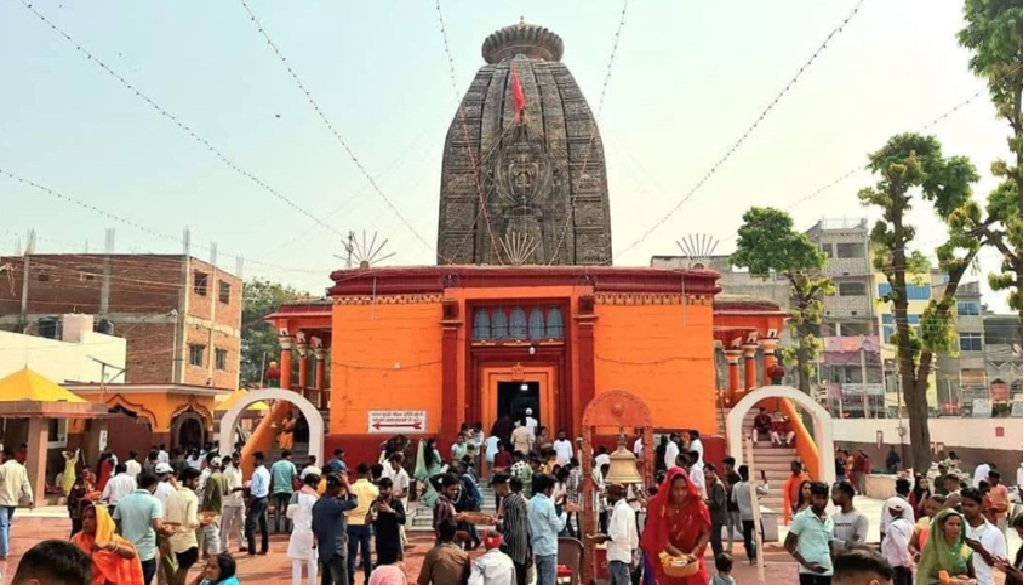
A major congregation has been witnessed at the Dev Surya Temple in Aurangabad district, often referred to as the Sun City. Authorities estimate that between 500,000 and 700,000 devotees are expected to attend the Chhath fair this year.
District magistrate Abhilasha Sharma said extensive arrangements have been made to ensure the safety and convenience of visitors. These include accommodation, barricading, traffic management measures, deployment of magistrates and police personnel, health camps, ambulances, drinking water supply, sanitation, lighting, fire services and CCTV surveillance.
Superintendent of police Ambrish Rahul said security has been strengthened across the fair area, with personnel deployed at key locations and surveillance systems installed to prevent theft and other incidents. Devotees have also been advised to avoid carrying valuables.
The Dev Surya Temple is believed to be one of the oldest sites associated with the origins of Chhath Puja. It is unique for its west-facing structure, unlike most Hindu temples which face east.
Local beliefs hold that the temple was constructed overnight by the divine architect Vishwakarma. Other associated temples are located at Umga Hill in Madanpur and Devkund in Goh, forming part of a wider network of Surya worship sites in the region.
The festival continues to draw devotees from across India and abroad, reinforcing its status as one of Bihar’s most significant cultural and religious events.