Patna: Urban local bodies in Bihar have recorded a sharp rise in revenue collection, with total receipts crossing Rs 908 crore in the financial year 2025–26, state officials said on Monday.

The figures, announced by Bihar’s urban development and housing department, show a significant increase in collections from holding tax and other municipal revenues across 19 municipal corporations, 89 municipal councils and 156 nagar panchayats.
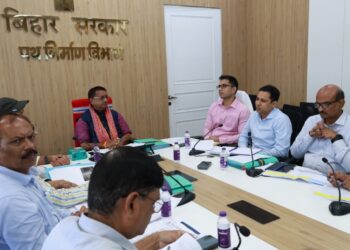
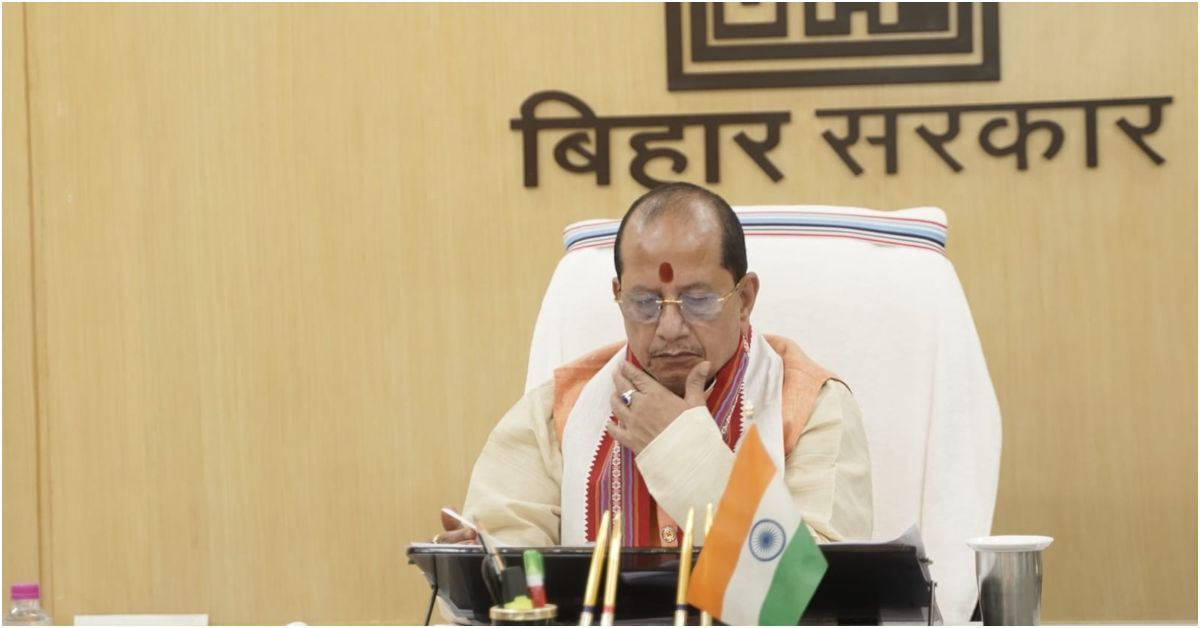
Deputy chief minister and urban development and housing minister Vijay Kumar Sinha said the improvement reflects “robust financial health” and better administrative efficiency in urban governance.

Of the total Rs 908 crore collected between April 1, 2025 and March 31, 2026 more than Rs 565 crore came from holding tax alone. This exceeded the set target of Rs 533 crore, achieving 106% of the goal.
Officials said this marks a notable jump compared with the previous financial year, when total revenue collection stood at Rs 432 crore, while holding tax collection was Rs 290 crore.
The department attributed the rise to a series of administrative and digital reforms, including expanded use of online payment systems, tighter monitoring mechanisms, time-bound tax assessments, and efforts to improve compliance at the municipal level. According to the government, these measures have helped streamline revenue processes and increase citizen participation in tax payments.
Speaking on the development, Sinha said strengthening the finances of urban local bodies is essential for sustained urban development. He said improved revenue would directly support infrastructure upgrades, including roads, sanitation systems, water supply and other civic amenities across the state.
He also praised municipal officials and staff for their role in improving collection efficiency and urged them to maintain the momentum. At the same time, he appealed to residents to pay their taxes on time, saying timely compliance would enable better delivery of urban services.
The government said the gains in revenue collection are expected to give renewed momentum to urban development programmes and strengthen the financial independence of local bodies.
Officials added that further improvements are planned through continued digitisation and stricter enforcement mechanisms, with the aim of setting higher benchmarks for municipal revenue performance in the coming years.
Urban development authorities expressed confidence that the trend would continue, helping Patna and other urban centres in the state move towards more structured, efficient and sustainable civic infrastructure systems.