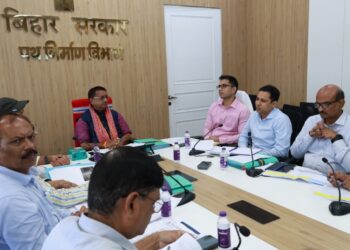
Patna: Facing mounting financial pressure, the Bihar government has initiated steps to stabilise its finances by seeking a loan of Rs 12,000 crore from the Reserve Bank of India (RBI) by June. Officials expect around Rs 4,000 crore to be released by the end of this month.

A significant portion of the funds is expected to be used to clear pending social security pensions. Payments for March and April have been delayed, and the government plans to disburse two months’ pension together in May to over one crore beneficiaries, including the elderly, persons with disabilities and widows.
Funds to clear dues, restart projects

The loan is also expected to help revive stalled development projects affected by a fund crunch. Payments under the student credit card scheme, which have been pending for nearly 58,000 students, are likely to resume from May through the state’s education finance corporation.
Several infrastructure projects, including roads and bridges, have come to a halt due to delayed treasury payments. Officials indicated that funds for these projects would be released once the loan is received.
Rising expenditure adds pressure
The state’s financial stress has been compounded by increased welfare spending. Ahead of elections, then Chief Minister Nitish Kumar had raised the monthly social security pension from Rs 400 to Rs 1,100, adding an estimated burden of Rs 1,150 crore per month.
In addition, around Rs 15,000 crore has been allocated for women employment schemes, further straining the state exchequer.
Mounting debt and interest burden
Bihar’s total outstanding debt has crossed Rs 3.70 lakh crore and is projected to exceed Rs 4 lakh crore by the end of the current financial year. The state is expected to pay nearly Rs 40,000 crore in interest this year alone, translating to over Rs 100 crore per day.
While the finance department maintains that borrowings remain within the Fiscal Responsibility and Budget Management (FRBM) limits, early signs of stress—such as delays in salary payments and halted scheme disbursements—have raised concerns.
Revenue push across departments
To address the fiscal crisis, the government has also directed departments to enhance revenue collection. The urban development department has been asked to intensify property tax collection through urban local bodies, while efforts are underway to improve compliance and recovery in transport-related taxes.
Outlook
With loan inflows expected to begin by the end of April, the government aims to ease immediate financial pressures and resume key payments. However, experts indicate that sustained fiscal discipline and improved revenue generation will be critical to managing Bihar’s growing debt burden in the long term.