Patna: Vat Savitri Vrat is an important fast observed by married Hindu women, and in 2026 it will be marked on Saturday, May 16. On this day, women pray for the long life, good health, and prosperity of their husbands. The fast is considered very sacred and is observed with deep devotion across many parts of India. Women observe a nirjala fast, which means they do not eat or drink water for the entire day, as a symbol of their faith and dedication.

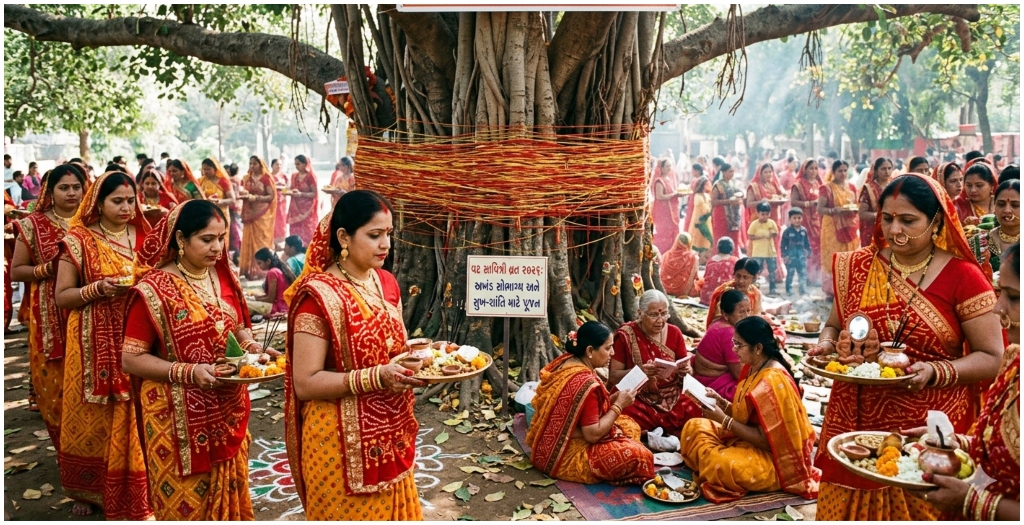
This fast is observed on the Amavasya (new moon day) of the Hindu month of Jyeshtha. The central part of the ritual is the worship of the banyan tree, also known as the Vat tree. According to belief, the tree is sacred and represents divine presence. It is said that Lord Brahma resides in its roots, Lord Vishnu in its trunk, and Lord Shiva in its branches. Women gather near these trees to perform prayers and rituals throughout the day.
The tradition of Vat Savitri is linked to the ancient story of Savitri and Satyavan. According to the legend, Savitri’s devotion and strength of faith were so powerful that she was able to bring her husband Satyavan back from Yama, the god of death. Because of this story, the fast is seen as a symbol of strong marital devotion and determination. Local priest Pandit Pawan Jha explains that Savitri’s penance under the banyan tree is the reason this vrat is observed with such respect even today.

The rituals begin a day before the fast, when married women wear new clothes, apply mehendi on their hands, and perform Solah Shringar, the traditional sixteen forms of adornment. On the day of the fast, they prepare baskets filled with fruits, sweets, savoury items, betel leaves, and other offerings. These baskets are taken to the banyan tree for worship, where the story of Savitri and Satyavan is also recited and listened to.
During the puja, women tie a raw cotton thread around the banyan tree and perform parikrama (circumambulation) five or seven times. After offering water to the tree, they tie the same thread on their wrists or necks as a symbol of protection and blessings. Another tradition includes fanning the banyan tree first and then fanning their husbands, which represents care, respect, and affection in married life.
For first-time observers, especially newly married women, the day is even more special. They often go to the tree carrying decorated water-filled pots on their heads, accompanied by family members and singing traditional songs. The bride’s family and in-laws also send gift baskets containing food items, clothes, cosmetics, and ritual materials, which are used during the worship.
In the days leading up to the festival, markets see increased activity as women shop for festive clothes, jewellery, mehendi, and puja items. The celebration of Vat Savitri Vrat continues to remain a strong cultural tradition, combining faith, storytelling, and family customs that have been passed down for generations.