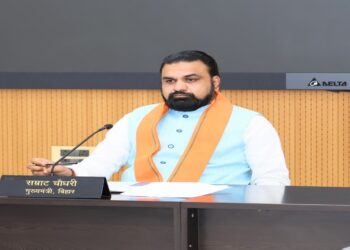
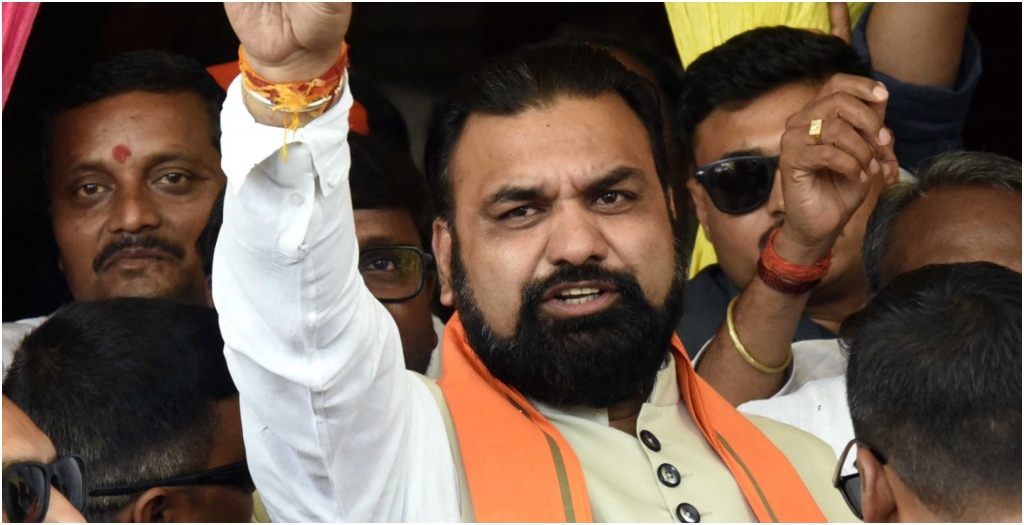
Patna: Chief Minister Samrat Chaudhary has introduced a strict new rule to improve government work and speed up public grievance redressal in Bihar. On Monday, he launched the ‘Sahyog’ portal and a helpline number for citizens. He said the main aim is to ensure that people do not face long delays when they go to the government with their problems.

The biggest announcement was a 30-day deadline for action on complaints received at ‘Sahyog Shivirs’. The Chief Minister said that if an official does not take action within 30 days, then the officer responsible will be automatically suspended on the 31st day. This action will be controlled directly from the Chief Minister’s Office, which will monitor all applications through a special dashboard.
He also said that District Magistrates and Superintendents of Police must visit at least five ‘Sahyog Shivirs’ personally. These visits will not be announced in advance so that officials can see the real situation on the ground. The government said these camps will continue until public complaints are fully addressed and the system becomes more efficient.

The Chief Minister also said that new Ministers-in-Charge will soon be appointed for districts. They will also have to visit these camps and review the work. He praised former Chief Minister Nitish Kumar for earlier efforts to bring governance closer to people through Panchayat-level systems and public outreach programs.
The government has also decided to install CCTV cameras in circle offices and police stations. This is to monitor staff activity and improve transparency. A toll-free helpline number 1100 and an online portal have also been started so people can easily register complaints. Officials said every complaint must be resolved within 30 days, and citizens will be informed in writing about the action taken. If not, disciplinary action will be taken automatically.
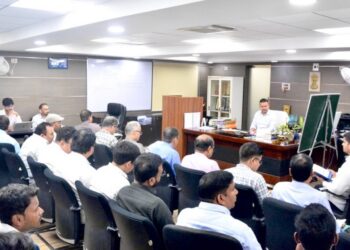
Several senior officials were present at the launch, including Deputy Chief Minister Bijendra Prasad Yadav, ministers Shravan Kumar, Dilip Jaiswal, and Nitish Mishra, along with top bureaucrats including Pratyaya Amrit and B. Rajender.