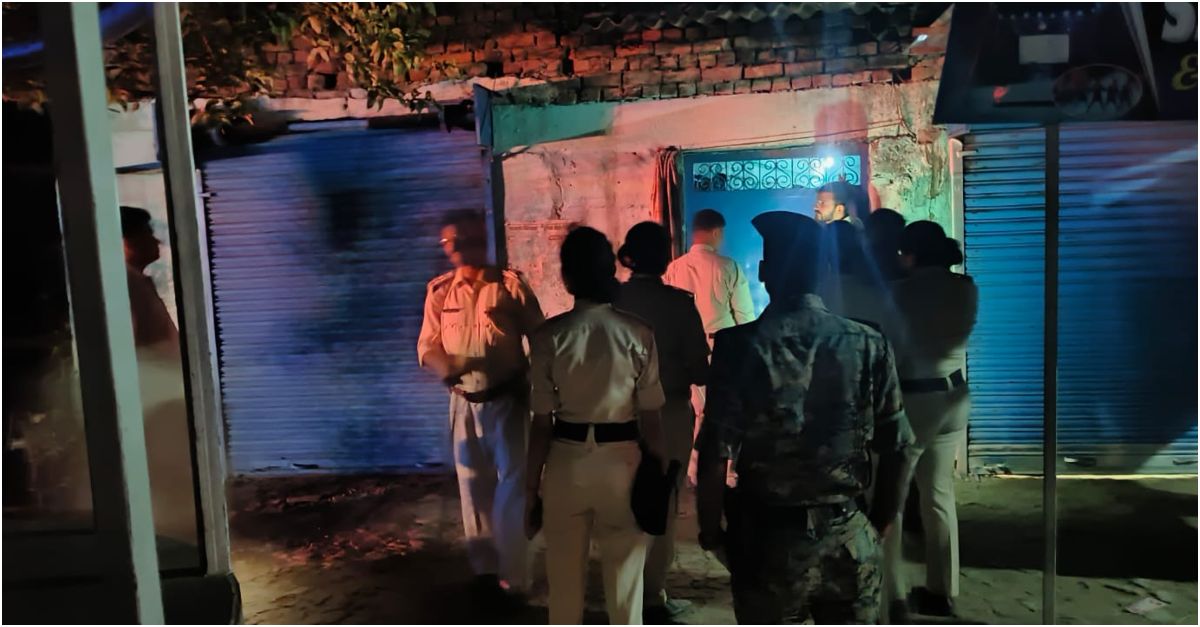
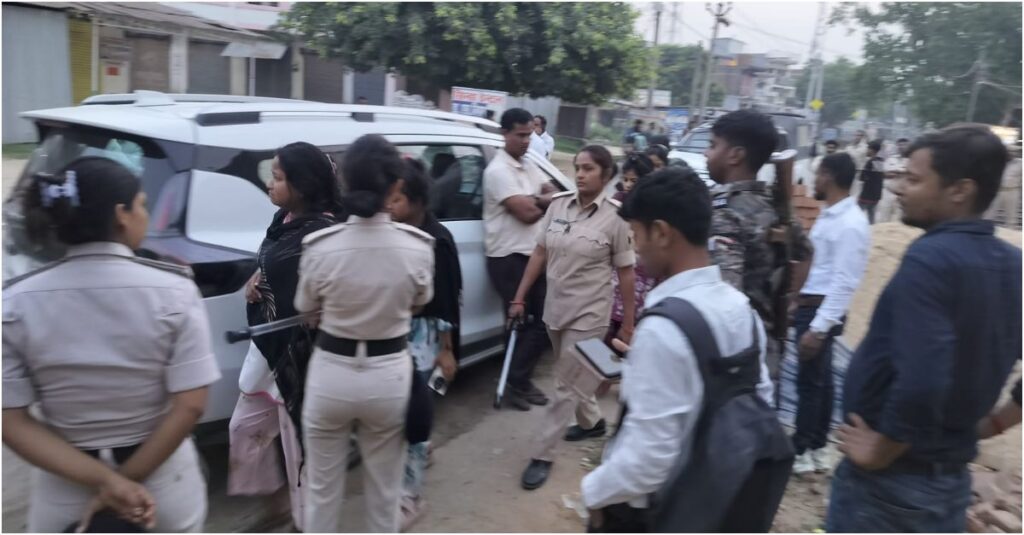
Patna: More than 40 minor girls have been rescued and 22 people arrested during a large-scale police operation targeting an alleged trafficking and exploitation network linked to orchestra groups in north India’s Gopalganj district.

The nightlong crackdown, described by officials as one of the biggest of its kind in the state in recent years, led to raids on 15 orchestra groups. Authorities said the girls, aged between 10 and 17, were later being counselled and shifted to safe care facilities while legal proceedings continue.
The operation was coordinated by senior officers including Amit Kumar Jain and Vinay Tiwari, and carried out jointly with local police from Kuchaukot station, the Bihar Police Headquarters, and child protection organisations.

These included Association for Voluntary Action and Narayani Sewa Sansthan, both partners of Just Rights for Children, which works with more than 250 NGOs across India.
Preliminary investigations suggest many of the minors had been trafficked from multiple states, including West Bengal, Assam, Delhi, Punjab, Rajasthan and Chhattisgarh. Officials allege they were forced to perform at weddings and private events as part of orchestra troupes, often for extended hours and in conditions linked to sexual exploitation.
Manish Sharma, senior director of the Association for Voluntary Action, said the operation exposed what he described as a “deeply entrenched nexus” between traffickers and orchestra groups.
“The operation has once again exposed the scale at which minor girls are being trafficked and pushed into orchestra groups operating in parts of Bihar,” said Manish Sharma. “These children are lured into this highly exploitative network, sexually abused and exploited. We cannot just react. We must act now.”
He added that perpetrators should face strict punishment and survivors require urgent rehabilitation and compensation.
According to investigators and child rights organisations involved in the operation, the network appeared to operate in coordination with the wedding season, when demand for orchestra performances peaks in rural Bihar. The raids were timed after a month-long surveillance period and conducted on a day when no weddings were scheduled locally, officials said.
During early counselling, several rescued girls alleged they were either trafficked by acquaintances posing as partners or deceived with promises of money, fame, or entry into the Bhojpuri film industry. Some said they had been moved across state lines before being placed with orchestra groups.
Ravi Kant, national convenor of Just Rights for Children, said the case reflected a broader, systemic failure to curb trafficking networks operating across state borders.
“This is not an isolated crime but a structured criminal ecosystem,” said Ravi Kant. “There is an urgent need for sustained inter-state coordination and stricter monitoring, especially during wedding seasons.”
Authorities said further investigations are underway to identify the wider trafficking chain and possible interstate links.