Patna: Lentils remain one of the most important vegetarian sources of protein in Indian diets. Nutrition experts say different varieties of dal offer varying levels of protein and micronutrients, making them valuable for balanced nutrition.

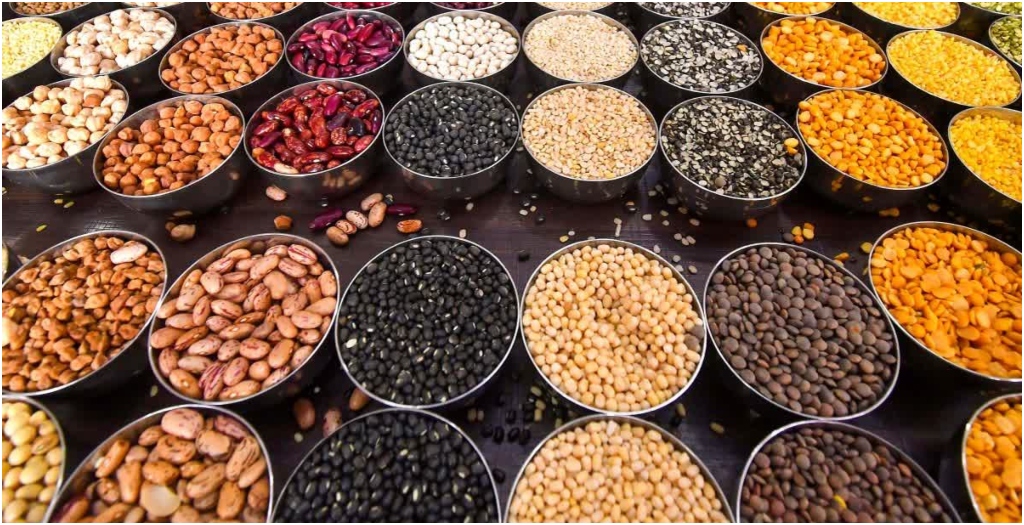
While many people associate protein primarily with non-vegetarian food, pulses such as urad, moong, chana, masoor and kulthi are also rich sources of plant-based protein. In addition to protein, these lentils contain fibre, iron, calcium, potassium and essential vitamins.
Urad Dal Leads In Protein Content

Experts say urad dal, also known as black gram, contains one of the highest protein levels among commonly consumed lentils.
A 100-gram serving of raw urad dal contains around 24 to 25 grams of protein. It is widely used in dishes such as idli, dosa and dal preparations across India.
Nutritionists note that urad dal is also rich in fibre, complex carbohydrates, iron, potassium, calcium, magnesium and zinc. It contains B vitamins including folate and niacin, while its low fat content makes it suitable for balanced diets.
Health experts say regular consumption may support digestion, bone health and energy production.
Kulthi Dal Offers High Protein And Fibre
Kulthi dal, or horse gram, is less commonly consumed in some regions but is considered nutrient-dense by dieticians.
A 100-gram serving contains around 22 grams of protein along with high amounts of fibre and complex carbohydrates. It also provides iron, calcium and antioxidants.
Experts say horse gram may help improve digestion and support blood sugar management. It is also often included in weight management diets because of its fibre content.
Chana Dal Rich In Calcium And Protein
Chana dal, made from split chickpeas, contains around 22 grams of protein per 100 grams.
Dieticians highlight its calcium content, which contributes to bone and dental health. It also contains fibre, iron, magnesium, zinc and B vitamins.
Experts say chana dal supports muscle health and digestion while helping maintain stable blood sugar levels.
Moong Dal Provides Potassium And Protein
Moong dal is regarded as an easily digestible lentil and is commonly consumed during summer because of its cooling properties.
A 100-gram serving contains around 24 grams of protein. It is also rich in potassium, fibre, iron, magnesium and folate.
According to nutrition experts, potassium levels in raw moong dal can reach approximately 1,246 mg per 100 grams. Cooked moong dal contains lower amounts depending on preparation methods.
Experts say moong dal may help muscle repair and support hydration and electrolyte balance.
Masoor Dal Lower In Protein But Easy To Digest
Red masoor dal, also known as Mysore dal in some regions, contains lower protein levels compared with urad or moong dal.
A 100-gram serving contains around 9 grams of protein along with iron, folate and fibre.
Nutritionists say masoor dal is easy to digest and may help regulate blood sugar levels. It is also considered beneficial for heart health because of its fibre content.
Toor Dal Rich In Folate
Toor dal, or pigeon pea, is widely consumed in Indian households and is considered a good source of folate, also known as Vitamin B9.
It also contains protein, carbohydrates, fibre, iron, potassium, magnesium and phosphorus.
Experts say these nutrients contribute to energy production, muscle development and digestive health.
Which Lentil Contains The Most Protein?
Among the lentils discussed, urad dal and moong dal contain the highest protein levels at around 24 to 25 grams per 100 grams, followed closely by kulthi dal and chana dal at around 22 grams.
Nutrition experts advise including a variety of lentils in meals to ensure a broader intake of essential nutrients rather than relying on a single source.