Patna: The Bihar government on Thursday formally launched the Viksit Bharat-Gramin Rozgar Evam Aajeevika Guarantee Adhiniyam, 2025 (VB-G RAM G) at Patna, marking what officials described as a new phase in rural employment policy after two decades of the Mahatma Gandhi National Rural Employment Guarantee Act (MGNREGA).

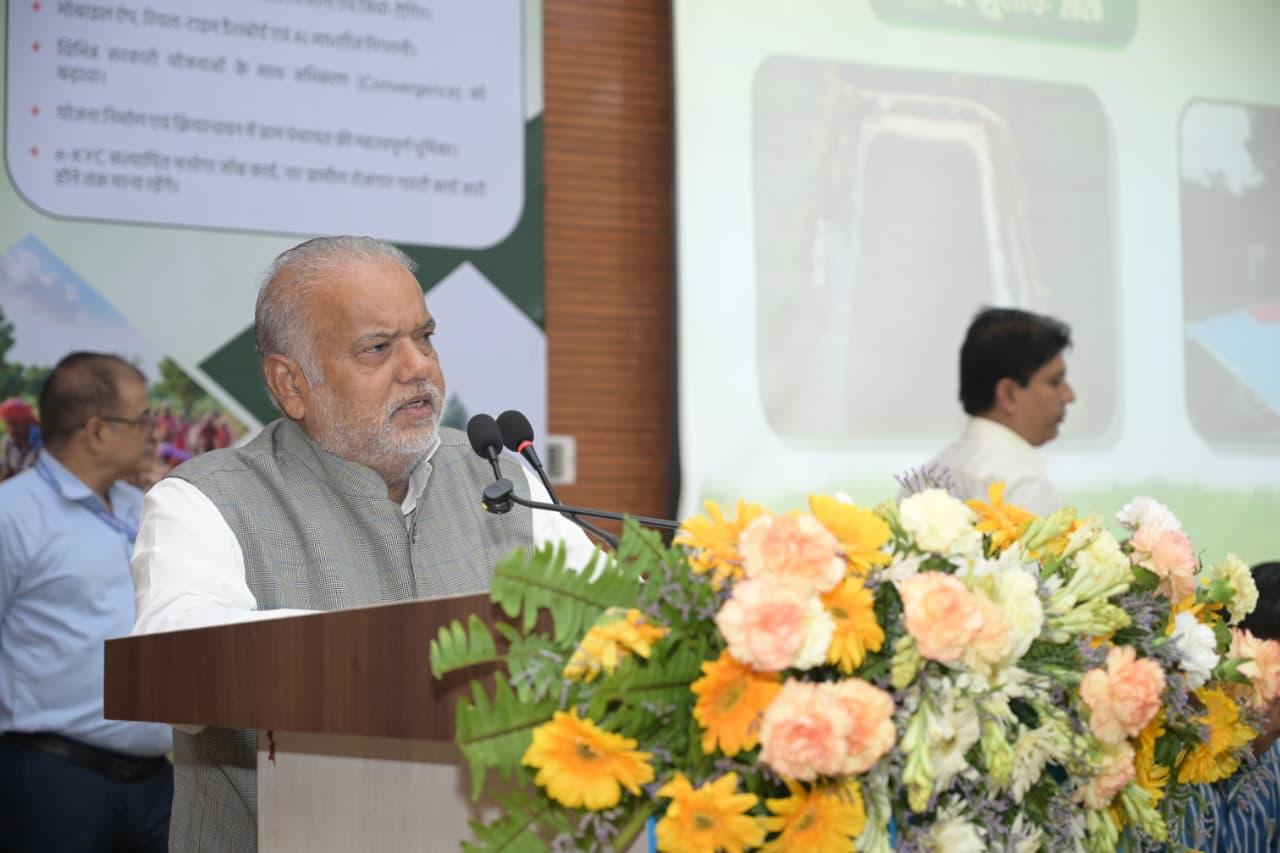
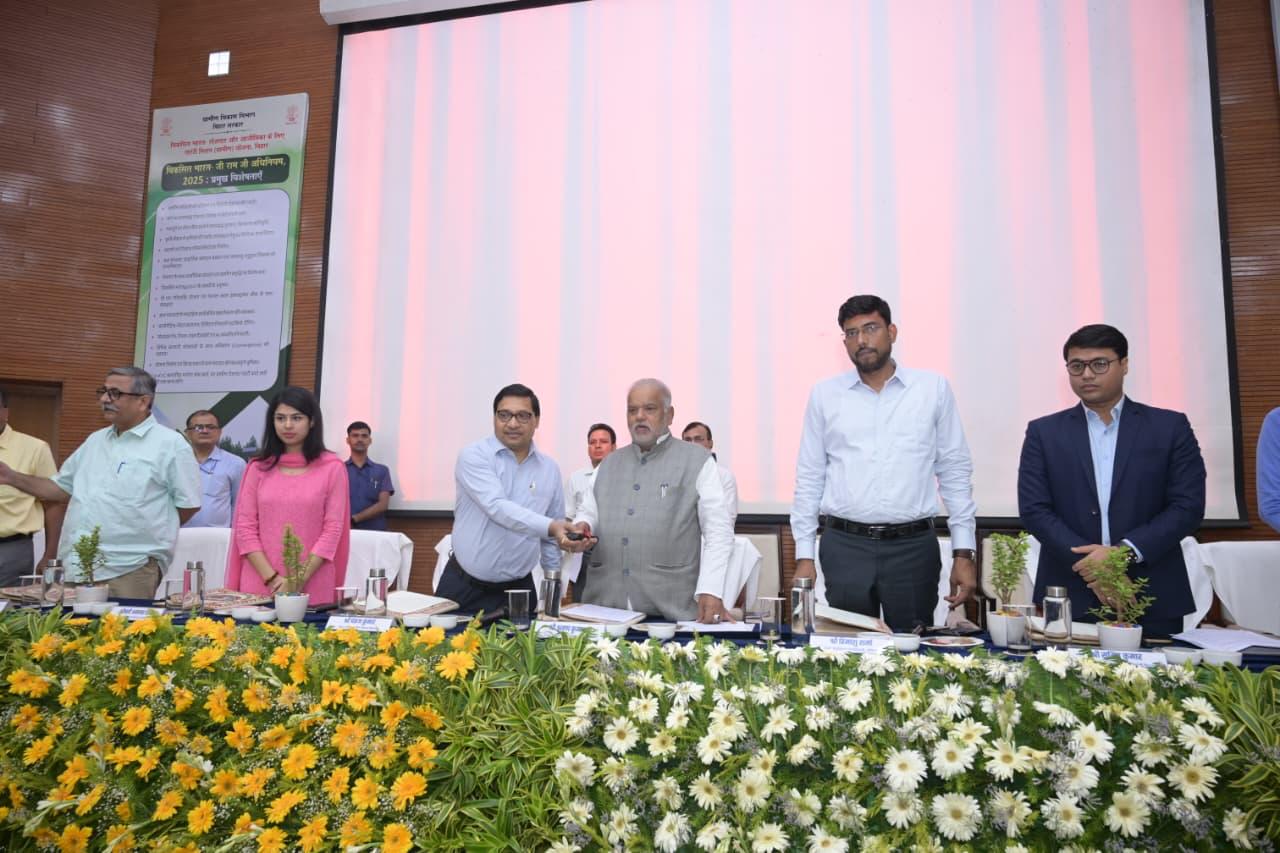
The scheme was inaugurated at an event organised by the rural development department, with rural development minister Shravan Kumar presiding as chief guest.
Expanded employment guarantee

Addressing the gathering, Kumar said the new scheme would guarantee 125 days of employment annually for unskilled workers, compared with 100 days under MGNREGA.
He said workers who apply for employment but are not provided work within 15 days will be eligible for unemployment allowance.
Under the scheme, the unemployment allowance has been fixed at one-fourth of wages for the first 30 days and half of wages for the remainder of the financial year.
The state government will bear the cost of unemployment allowance paid to unskilled workers, with recovery from responsible officials or agencies to be made within 30 days.
Compensation for delayed wages
The minister said workers would also receive automatic compensation if wages are delayed beyond 15 days after closure of the muster roll.
The compensation rate has been fixed at 0.05% of the pending amount per day.
Shift in funding structure
Kumar said the funding model under the new scheme differs from MGNREGA, under which the Centre followed a demand-based allocation.
Under VB-G Ram Ji, annual budget allocations for states will be determined at the start of the financial year based on population, per capita income and levels of backwardness.
For the first nine months of implementation, the Centre has allocated Rs. 6,715.83 crore, while the Bihar government has earmarked Rs. 4,477.22 crore.
Panchayat categorisation
As part of the scheme’s decentralised planning framework, gram panchayats will be categorised into three groups — A, B and C — based on local needs, development indicators and available resources.
Officials said the classification aims to improve localised planning and align rural development with the broader Viksit Bharat 2047 vision.
Environmental targets highlighted
The minister also referred to the state’s Jal Jeevan Hariyali mission, stating that over 20 crore saplings have been planted across Bihar so far.
He said the target for the current financial year is 1.25 crore plantations.
According to Kumar, Bihar’s green cover has increased from 9% to 16% in recent years, with the government aiming to raise it to 33%.
Officials call it a major reform
Rural development department principal secretary Pankaj Kumar described the scheme as a significant step towards strengthening rural livelihoods and improving transparency in implementation.
He said workers would play an important role in Bihar’s development as well as in nation-building.
The event was attended by JEEViKA chief executive officer Himanshu Sharma, VB-G Ram Ji commissioner Ananya Singh, Jal Jeevan Hariyali mission director Sumit Kumar, BRDS chief executive officer Sanjay Kumar and other department officials.