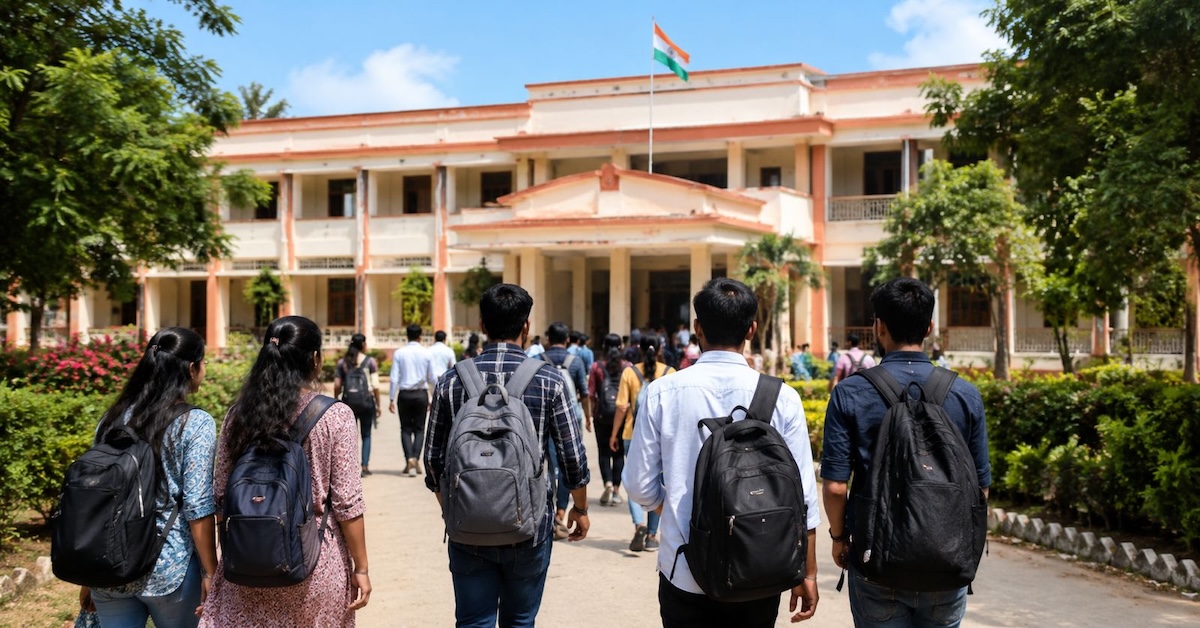
Patna: A major expansion of Bihar’s higher education network will begin today, when classes commence in 211 newly established government degree colleges spread across the state’s blocks.

Chief Minister Samrat Choudhary will formally inaugurate the first academic session from Kasil village in Goradih block of Bhagalpur district. Officials from the Education Department reached Bhagalpur on Tuesday after completing preparations for the launch.
More Than 60,000 Students Enrolled

According to the Education Department, more than 60,000 students have already secured admission to the newly established colleges.
The highest number of enrolments has been recorded in more than 40 colleges affiliated with Munger University.
Among the six undergraduate subjects being offered in the first academic session, Hindi and History have attracted the largest number of students.
Colleges To Operate From Temporary Campuses
Each degree college has an estimated establishment cost of around Rs 15 crore.
In the first phase, however, the institutions will function from rented premises or vacant government buildings until their permanent campuses are constructed.
The state government has spent Rs 50 lakh per college on renovating these buildings and providing essential furniture and infrastructure to enable classes to begin.
Permanent Faculty Recruitment Planned
Teaching at the new colleges will initially be handled by teachers deputed from universities.
The government has also initiated the process to recruit 3,687 Assistant Professors through the Bihar State University Service Commission, which is expected to strengthen the academic workforce in the coming months.
Permanent Campuses To Be Built
Under the government’s norms, each college will eventually be developed on five acres of land in rural areas and 2.5 acres in urban areas.
Officials said the institutions will be named after individuals who donate land for their permanent campuses.
The government expects the new colleges to improve access to higher education, particularly for students in blocks that previously lacked government degree institutions, reducing the need for long-distance travel to pursue undergraduate studies.