
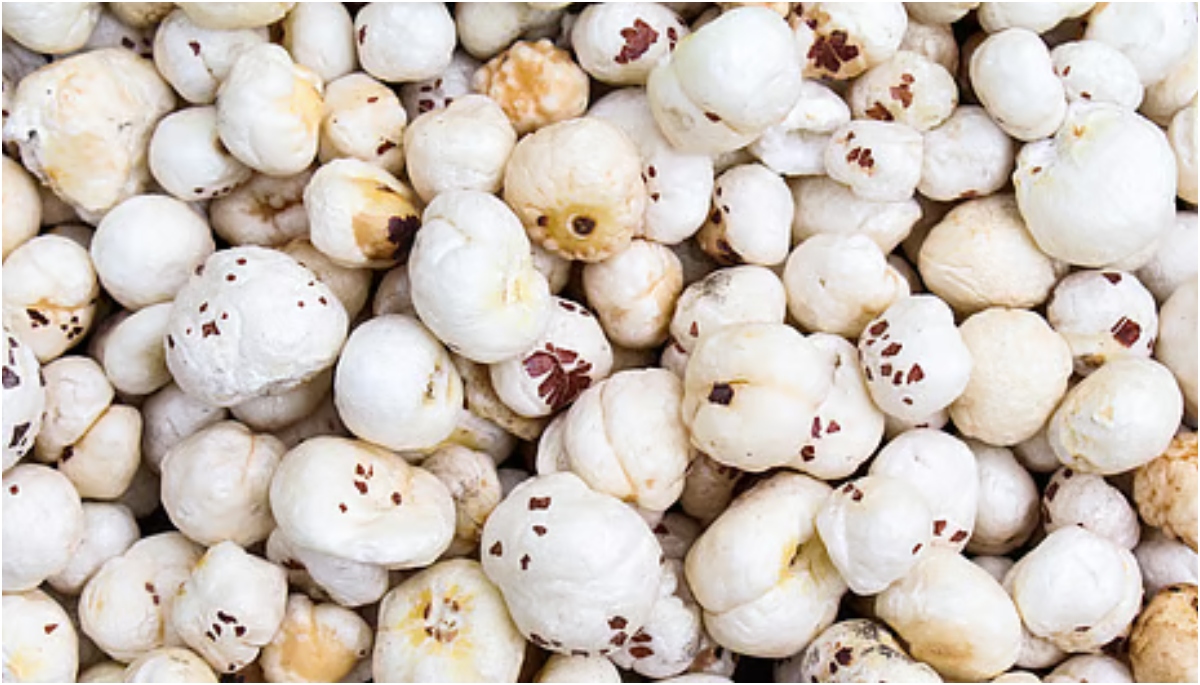
Patna: India has exported 7 metric tonnes of Bihar’s Makhana (fox nuts) to Canada through the sea route, marking a fresh milestone in the promotion of the state’s premium agricultural produce in international markets.

The consignment was shipped via Mundra Port as part of broader efforts to expand India’s value-added agricultural exports and strengthen the global presence of locally produced farm goods.
Boost for Agricultural Exports

Makhana, primarily cultivated in Bihar, is one of the state’s key agricultural products and has witnessed growing demand in overseas markets. The latest shipment reflects ongoing efforts to increase exports of processed and value-added agricultural commodities.
The export is expected to support market access for Bihar’s farmers while reinforcing the state’s position as a major producer of Makhana.
CM Samrat Choudhary Highlights Farmers’ Contribution
Sharing the development on X, CM Samrat Choudhary said the export demonstrates Bihar’s growing recognition in global markets.
बिहार की समृद्धि अब वैश्विक बाजारों तक अपनी पहचान बना रही है।
कनाडा को बिहार के 7 मीट्रिक टन मखाना का निर्यात राज्य के किसानों की मेहनत, हमारी कृषि क्षमता और स्थानीय उत्पादों की बढ़ती वैश्विक मांग का प्रमाण है।
यह उपलब्धि बिहार को कृषि निर्यात के क्षेत्र में नई ऊंचाइयों तक ले… pic.twitter.com/J3W0nrA0Pt
— Samrat Choudhary (@samrat4bjp) July 31, 2026
He said the shipment of 7 metric tonnes of Makhana to Canada reflects the hard work of the state’s farmers, Bihar’s agricultural capabilities, and increasing international demand for local products.
Choudhary added that the achievement represents another step towards the vision of taking local products to global markets. He said the government’s objective is to establish Bihar’s indigenous products in international markets while creating greater prosperity for farmers.
Growing Global Demand
Bihar accounts for the majority of India’s Makhana production and has been working to expand exports through improved processing, packaging and market access. The latest consignment is part of ongoing efforts to strengthen the international footprint of one of the state’s most distinctive agricultural products.