Patna: The Bihar government has revised the maximum purchase limits for official vehicles used by ministers, High Court judges, and senior administrative officials, allowing departments to procure higher-priced vehicles equipped with modern safety features and cleaner technology.

The Finance Department issued the revised norms, stating that the decision was taken in view of rising automobile prices, advancements in vehicle technology, and the government’s focus on promoting electric and hybrid vehicles in its fleet.
Revised Limits Across Categories

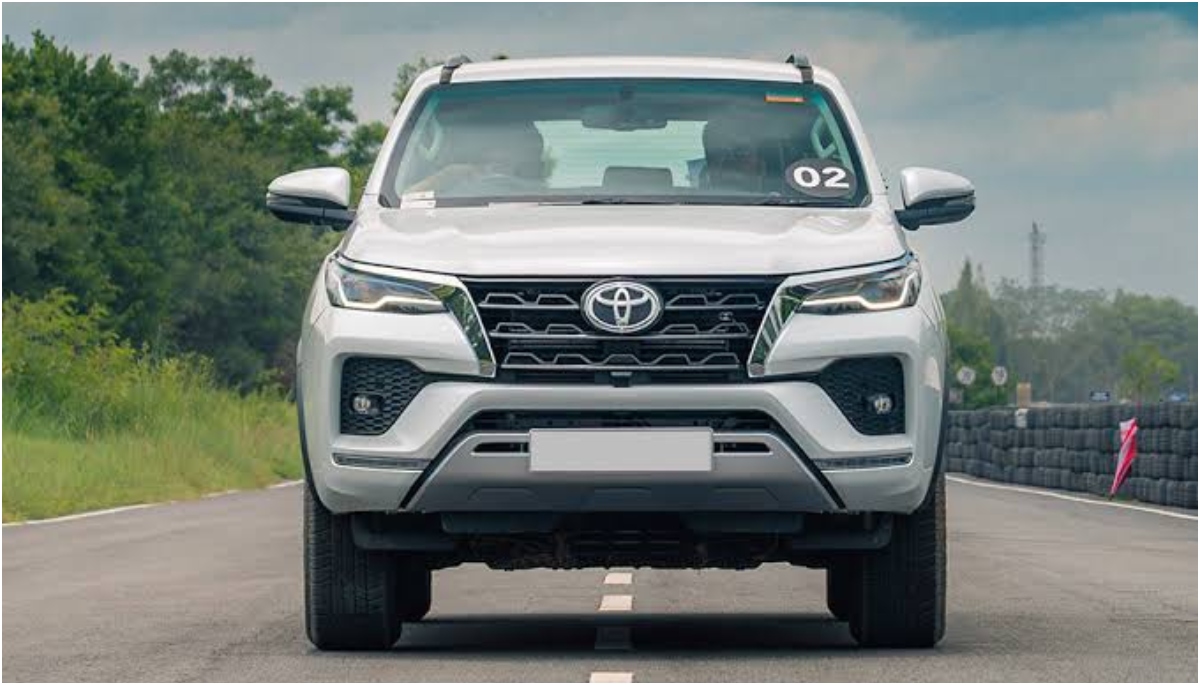
Under the revised policy, ministers and High Court judges will be eligible for official vehicles costing up to Rs 37 lakh, compared with the previous limit of Rs 30 lakh.
The purchase ceiling for Additional Chief Secretaries, Principal Secretaries, and Secretary-level officers has been increased from Rs 25 lakh to Rs 30 lakh.
For District Magistrates (DMs) and Principal District and Sessions Judges, the limit has been raised from Rs 20 lakh to Rs 22 lakh.
The maximum value of official vehicles for Superintendents of Police (SPs) has increased from Rs 16 lakh to Rs 18 lakh.
For other eligible government officials, the purchase limit has been revised from Rs 14 lakh to Rs 16 lakh.
Government Cites Rising Costs
According to the government, the earlier price ceilings no longer reflected prevailing market conditions.
It said the cost of four-wheelers has increased in recent years due to stricter BS-VI emission norms, enhanced safety requirements, advanced technology, and the growing availability of electric and hybrid models.
The revised limits will cover the vehicle’s on-road price along with the cost of essential fittings, safety equipment, and other mandatory accessories.
Focus on Electric and Hybrid Vehicles
The revised policy is also intended to support the wider adoption of electric and hybrid vehicles in government departments.
Officials will have greater flexibility to choose vehicles that incorporate improved fuel efficiency, lower emissions, and newer safety technologies, depending on operational requirements and the revised financial limits.
The government said the move is consistent with broader efforts to promote cleaner modes of transport and reduce dependence on conventional fuel-powered vehicles.
Procurement Aligned With New Technology
The Finance Department noted that modern vehicles increasingly include features such as Advanced Driver Assistance Systems (ADAS), multiple airbags, electronic stability control, improved crash protection, and connected vehicle technologies, all of which have contributed to higher vehicle prices.
According to the government, revising the procurement ceilings will enable departments to acquire vehicles that meet current safety and operational standards without being constrained by outdated price limits.
Administrative and Fiscal Implications
The revised limits are expected to simplify vehicle procurement across departments and provide officials with access to vehicles better suited for official duties.
While the government has presented the revision as an administrative update aligned with market realities and technological advancements, the increase in spending limits may also prompt public and political debate over government expenditure on official vehicles.