Patna: The National Institute of Fashion Technology (NIFT), Patna, will celebrate National Handloom Day 2026 on August 21 with a series of events aimed at showcasing Bihar’s handloom, textile and cultural heritage. The programme will focus on promoting awareness of India’s traditional weaving practices and recognising the contribution of artisans and weavers.

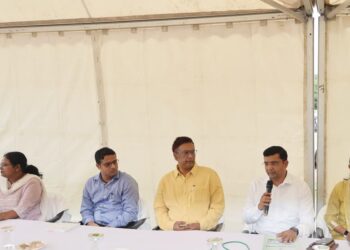
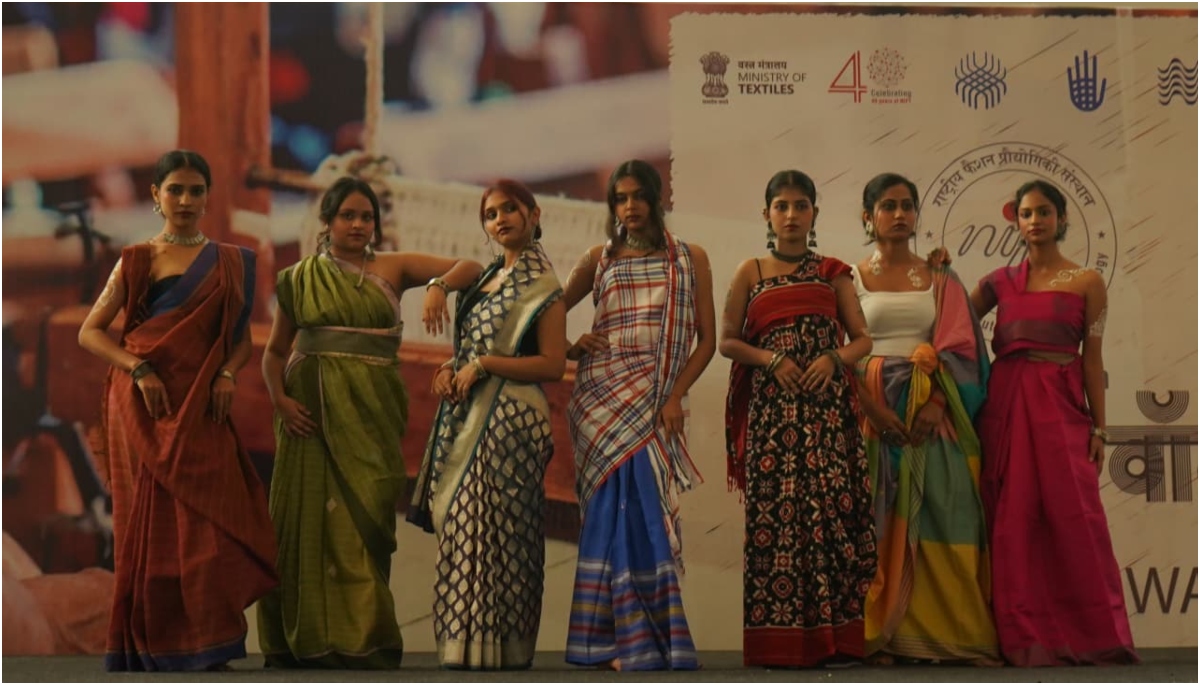
The event will begin with the ceremonial lighting of the lamp and Saraswati Vandana, followed by an address by NIFT Patna Director Col. Rahul Sharma. A heritage walk across the campus will form the central attraction of the celebration, offering participants an opportunity to explore the state’s traditional handloom and craft legacy.
Heritage Walk To Highlight Bihar’s Craft Traditions

According to NIFT Patna, the heritage walk will provide students, faculty members and invited guests with an immersive experience of Bihar’s diverse textile traditions, indigenous crafts and cultural heritage.
The institute said the initiative has been designed to strengthen awareness of traditional handloom practices while encouraging appreciation for the skills and craftsmanship of local weaving communities.
Director Emphasises Preservation Through Design
Speaking ahead of the event, Col. Rahul Sharma said the handloom sector represents an important part of India’s cultural identity and continues to provide livelihoods for millions of artisans and weaving communities.
He said NIFT Patna remains committed to preserving and promoting traditional textiles through design innovation, academic engagement, skill development and industry collaboration. He added that National Handloom Day offers an opportunity to inspire young designers to value India’s textile heritage while adopting sustainable and responsible design practices rooted in traditional knowledge.
Promoting India’s Handloom Heritage
NIFT Patna said the celebration reflects its continued efforts to promote India’s handloom heritage, support artisan communities and prepare future design professionals who combine innovation with an understanding of the country’s rich textile traditions.
The institute said the programmes are intended to encourage greater public appreciation of indigenous crafts while reinforcing the importance of preserving traditional weaving practices for future generations.