

Patna: Bihar’s history stretches across thousands of years and is closely linked with some of the most significant developments in ancient Indian civilisation. The state was a major centre of the Mauryan and Gupta empires and has deep connections with Buddhism and Jainism.

From ancient universities and rock-cut caves to forts, palaces and religious monuments, Bihar has a diverse collection of heritage sites. Here are 10 historical places that offer a glimpse into the state’s past.
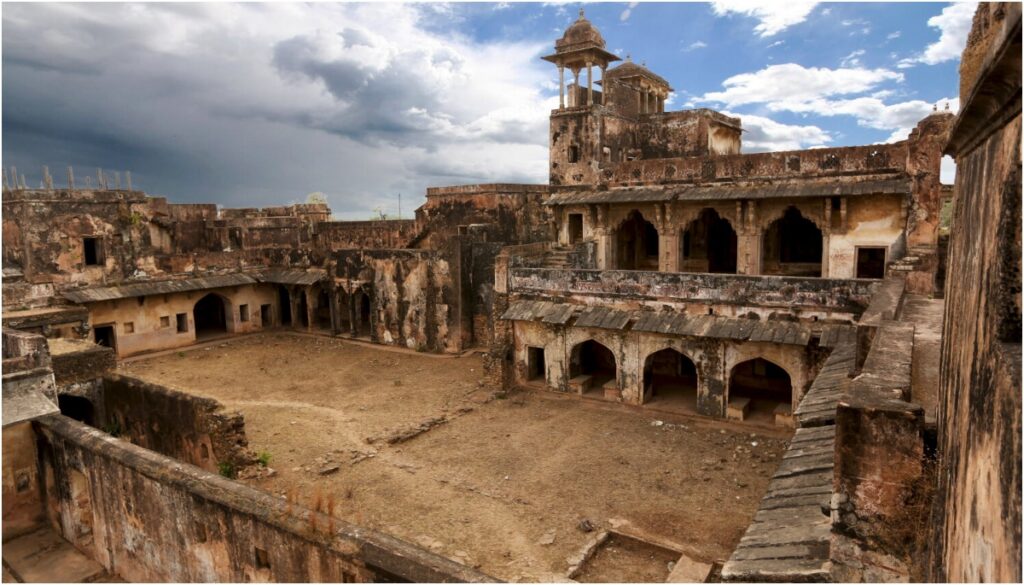
- Rohtasgarh Fort: A Hilltop Historic Landmark
Located in Rohtas district, Rohtasgarh Fort is one of Bihar’s prominent historic forts. Built on the Kaimur hills, the sprawling complex combines imposing stone structures with a rugged natural setting.

The fort is associated with several historical accounts and local traditions. Its hilltop location and surrounding landscape also make the journey to the site part of the experience.
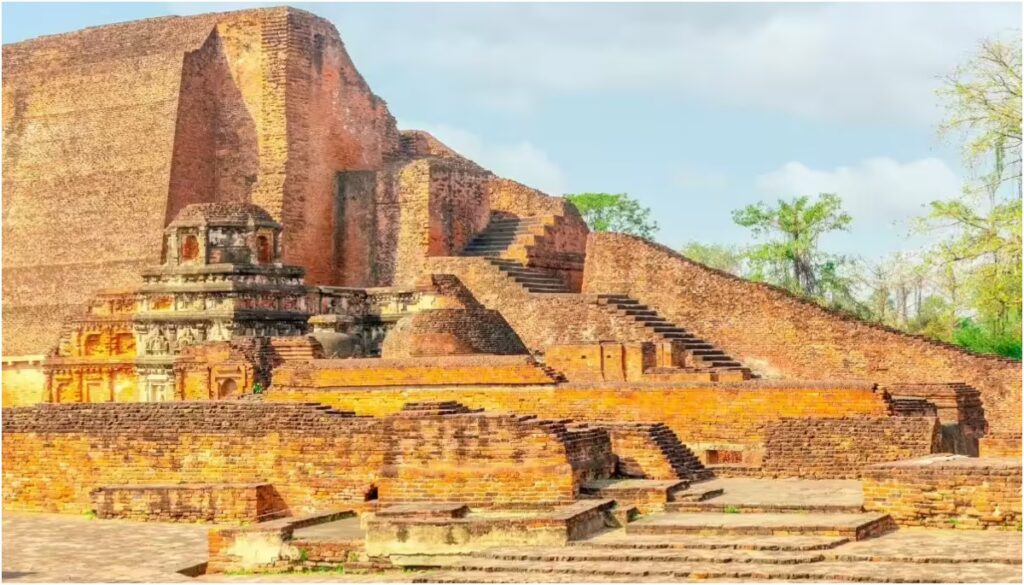
- Nalanda: An Ancient Centre Of Learning
Nalanda is closely associated with the ancient Nalanda Mahavihara, one of the most renowned centres of higher learning in ancient India.
The institution attracted students and scholars from different parts of Asia. Its archaeological ruins, including monasteries and temples, provide evidence of the scale and sophistication of the ancient educational centre.
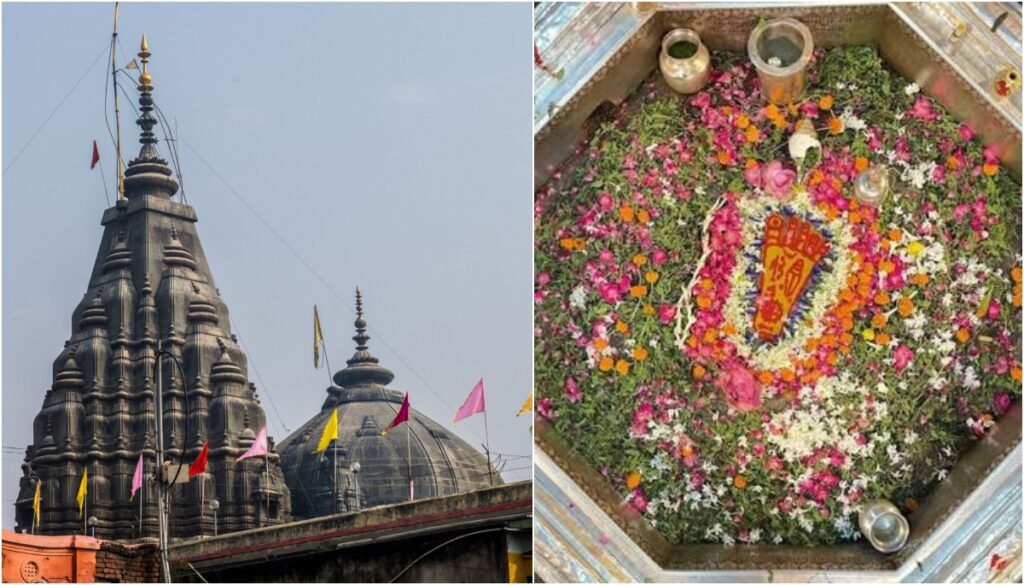
- Gaya: A City Of Faith And History
Situated along the Falgu River, Gaya is one of Bihar’s major religious and historic cities. It is particularly known for the Vishnupad Temple and the rituals associated with Pind Daan.
During Pitru Paksha, thousands of devotees visit Gaya to perform rituals for their ancestors. The city’s religious traditions are closely intertwined with its long historical heritage.
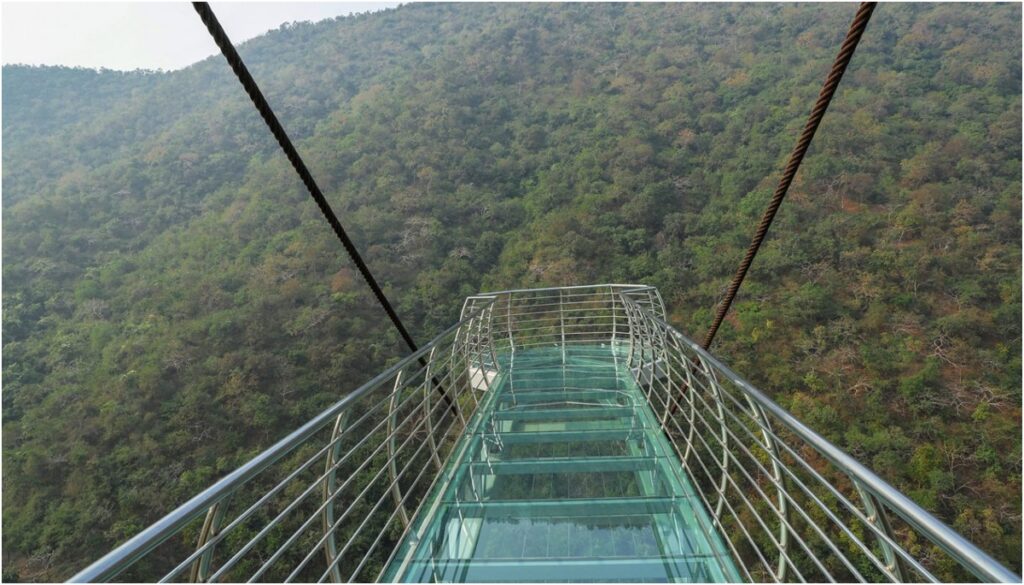
- Rajgir: Linked To Buddhist And Jain Traditions
Surrounded by hills, Rajgir is an important historical and religious destination in Bihar. The ancient city has strong associations with both Buddhism and Jainism.
Historical and religious traditions connect Rajgir with Gautama Buddha and Mahavira. The city’s hills, ancient remains and religious sites make it an important part of Bihar’s heritage landscape.
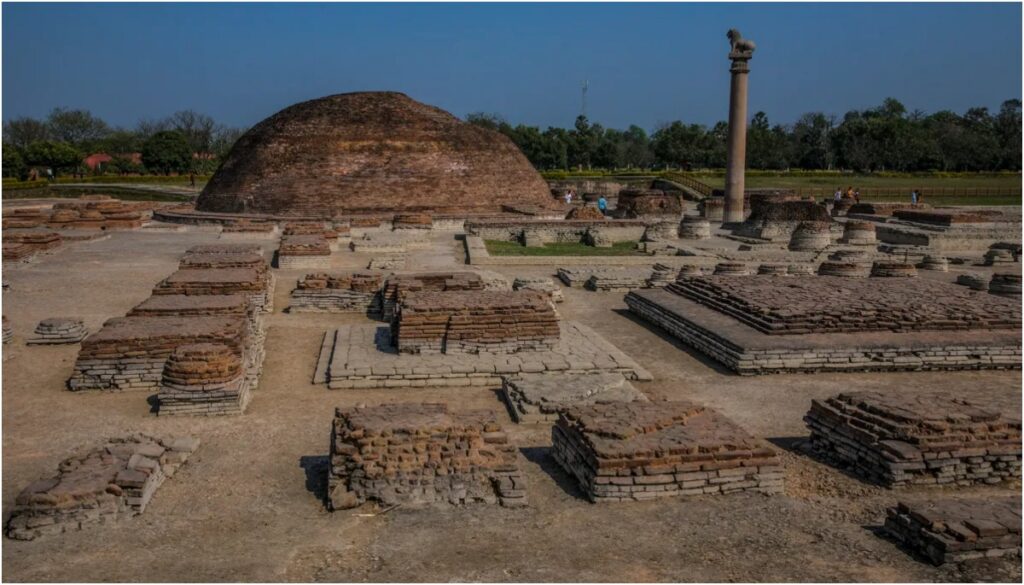
- Vaishali: Associated With An Ancient Republic
Vaishali holds an important place in the history of Buddhism and Jainism. Buddhist traditions record visits by Gautama Buddha to the region, while Jain tradition associates the area with Mahavira’s birth.
Ancient Vaishali is also noted in historical accounts for its republican form of governance, making it significant beyond its religious heritage.
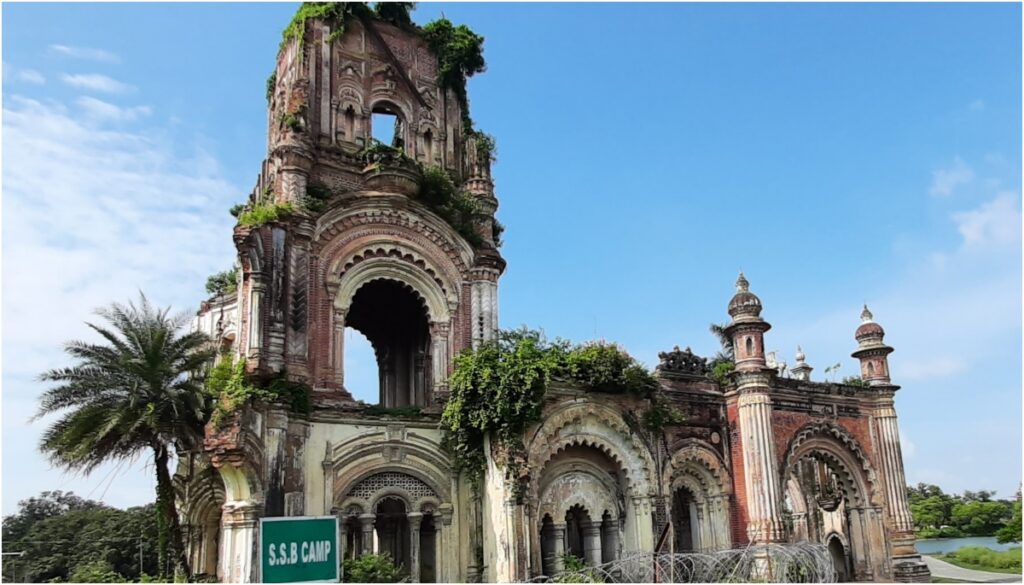
- Rajnagar Palace: Remains Of Madhubani’s Royal Heritage
Rajnagar Palace in Madhubani district reflects the architectural and cultural legacy of the Darbhanga Raj family.
The palace complex, associated with Maharaja Rameshwar Singh, contains the remains of historic buildings and temples. Its weathered structures offer a glimpse into the region’s royal past and architectural traditions.
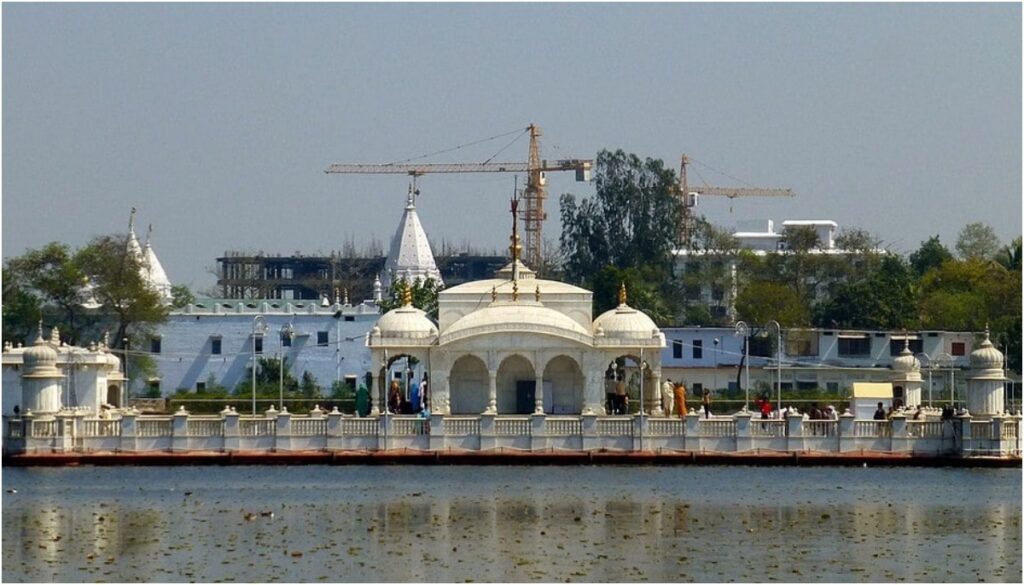
- Pavapuri: Associated With Mahavira’s Nirvana
Pavapuri in Nalanda district is one of the most important Jain pilgrimage sites in Bihar. Jain tradition holds that Mahavira attained Nirvana here.
The Jal Mandir, situated within a water body, is among the site’s best-known landmarks. The temple and surrounding setting have made Pavapuri an important destination for both pilgrims and heritage visitors.
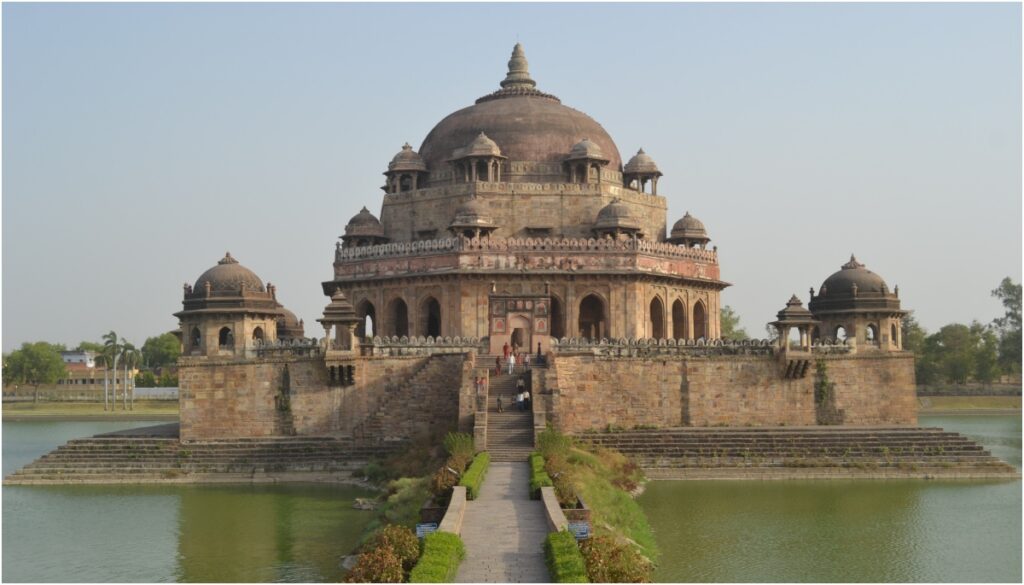
- Tomb Of Sher Shah Suri: A Monument Of Indo-Islamic Architecture
Located in Sasaram, the Tomb of Sher Shah Suri is one of Bihar’s notable medieval monuments. Built in the 16th century, the mausoleum stands in the middle of a large water reservoir.
The monument is recognised for its imposing scale and Indo-Islamic architectural features. It remains an important example of medieval architecture in eastern India.
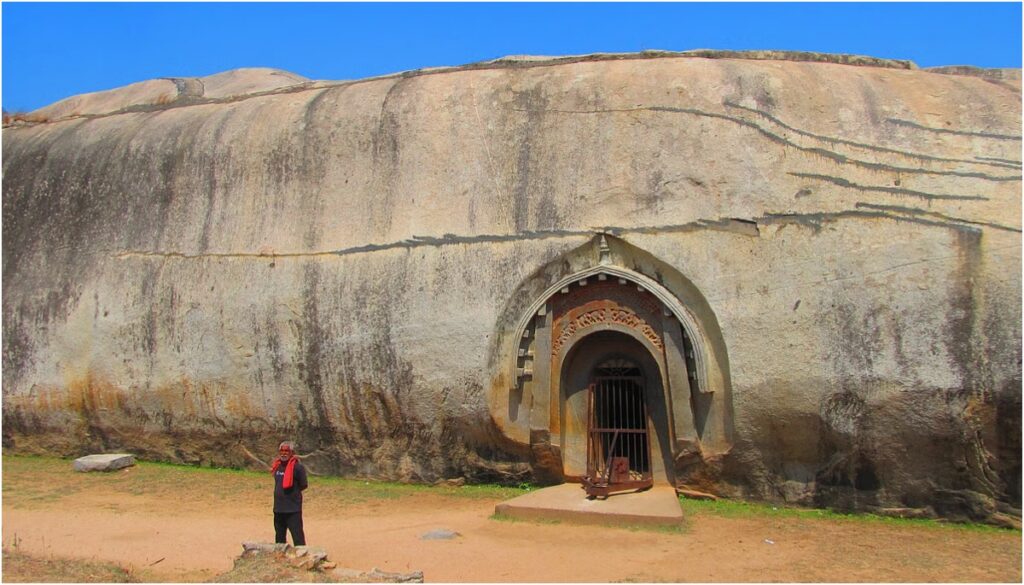
- Barabar Caves: Rock-Cut Heritage From The Mauryan Era
The Barabar Caves in Jehanabad district are among the oldest surviving rock-cut caves in India. Several of the caves date to the Mauryan period and are associated with Emperor Ashoka and his successors.
Their highly polished interiors, precisely cut surfaces and ancient inscriptions provide important evidence of India’s early rock-cut architectural tradition.
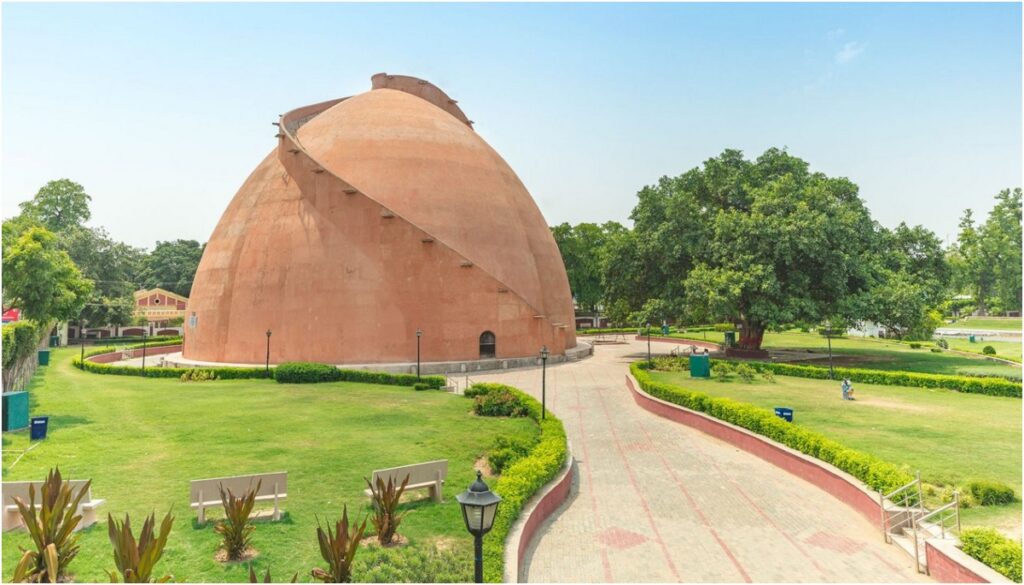
- Golghar: A Patna Landmark From The 18th Century
Located near Gandhi Maidan in Patna, Golghar is one of the city’s most recognisable historic structures. It was built in the 18th century as a granary following a period of famine.
The domed, circular structure has become an enduring landmark of Patna. Visitors can also see parts of the city from its elevated position.
A Heritage Trail Across Bihar
These sites reflect the breadth of Bihar’s historical legacy, spanning ancient learning centres, Buddhist and Jain pilgrimage sites, Mauryan-era architecture, medieval monuments and colonial-period structures.
Together, they offer a heritage trail through different periods of Bihar’s history and highlight the state’s continuing importance to India’s cultural and archaeological landscape.