Patna : Bihar recorded 1,905 cases under the Narcotic Drugs and Psychotropic Substances (NDPS) Act between January and May 2026, while police seized more than 3.83 lakh drug injections during the same period, according to a report. The figures highlight a rise in recorded cases and seizures as the state approaches a decade of alcohol prohibition.

The number of NDPS cases registered in the first five months of 2026 was higher than the total recorded during the whole of 2022. Bihar reported 697 such cases in 2019, with the annual count increasing to 1,822 in 2022, 2,121 in 2023, 2,411 in 2024 and 2,716 in 2025.
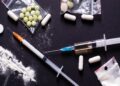
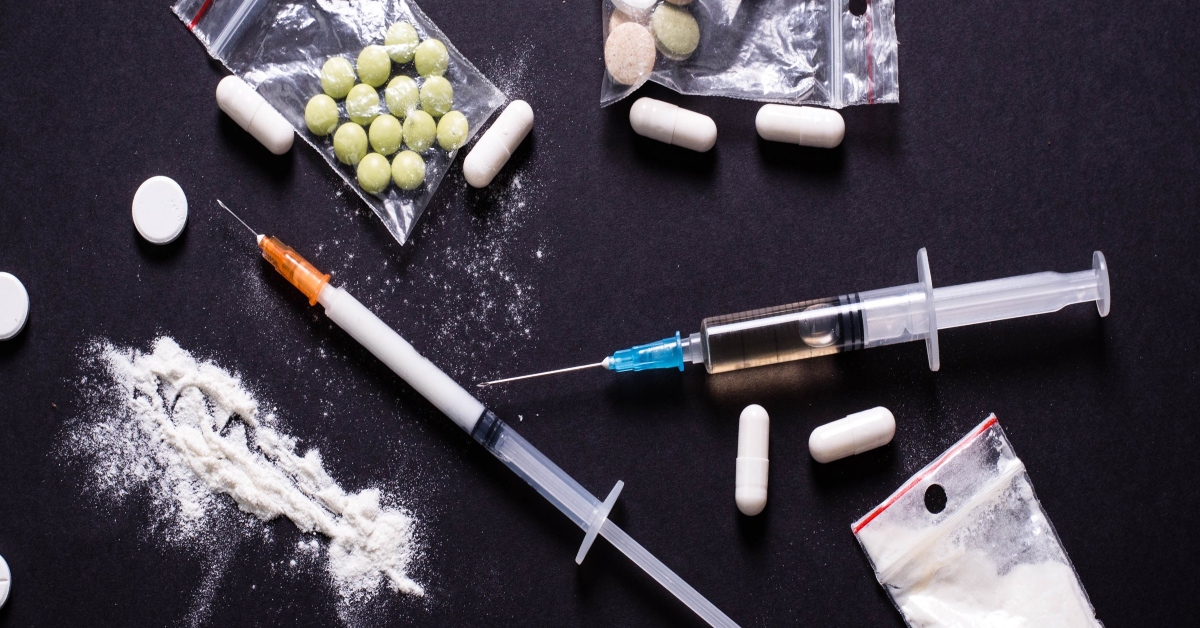
The injection seizure figures also show a substantial increase. Police seized 3,677 injections in 2022, 63,208 in 2024 and 3,83,066 between January and May 2026, according to the report.

These figures reflect substances intercepted by law enforcement and cases registered. They do not, by themselves, establish the overall prevalence of drug use across the state.
Tablets, Syrups And Other Substances Feature In Seizure Data
The rise extends beyond injections. According to the report, authorities seized 9.29 lakh tablets in the first five months of 2026, compared with 29,762 during the whole of 2022.
Police also seized 2.91 lakh bottles of syrup between January and May 2026. The full-year total was 3.41 lakh bottles in 2025 and 2.64 lakh in 2023.
Seizures of ganja also increased over the period covered by the report. Police recovered approximately 16,692 kg in 2022 and 31,915 kg in 2025. They seized another 21,431 kg between January and May 2026.
The figures indicate that police operations are encountering a range of substances, including tablets, injections, syrups and ganja. However, seizure totals can be influenced by enforcement activity and do not directly measure the amount consumed or the number of people affected by substance dependence.
‘Kota’ And Heroin Trafficking Feature In Reports
A report on Bihar’s changing drug landscape described the presence of heroin, brown sugar, tablets, injections and a substance locally referred to as “kota”.
The report described kota as a crude form of heroin and highlighted trafficking routes connecting the Northeast with other parts of the country. It also pointed to the role of interstate and cross-border networks in the movement of narcotic substances.
The figures suggest that the challenge extends beyond individual seizures to the movement and distribution of drugs across districts. Tackling these networks requires coordinated enforcement and reliable intelligence, alongside measures to prevent substance dependence and improve access to treatment.
Patna Records 389 NDPS Cases In Five Months
The report also highlighted increases in recorded cases in several districts. Patna registered 389 NDPS cases between January and May 2026, exceeding its total of 372 cases for the whole of 2025.
Motihari recorded 200 cases during the same five-month period, compared with 189 in 2025.
These comparisons show that the number of cases recorded in some districts during the first five months of 2026 had already exceeded their previous annual totals. However, partial-year and full-year figures need to be distinguished when assessing trends.
Increase In Juvenile Cases Raises Concern
The report also highlighted concerns about young people. Bihar recorded 50 juveniles detained under the NDPS Act in 2024, compared with 11 across the seven years from 2016 to 2023.
The figures underline the importance of examining the involvement of young people in drug-related cases, as well as the availability of prevention, counselling and rehabilitation services. Detention figures alone, however, do not explain the circumstances behind individual cases.
Beneficiaries at de-addiction centres supported by the Union Ministry of Social Justice and Empowerment increased from 1,487 in 2022-23 to 29,429 in 2024-25, according to the report.
The increase indicates that more people were recorded as accessing services at these centres. It should not automatically be interpreted as evidence of an equivalent rise in drug use, as changes in access to services and reporting may also affect the figures.
The report further noted that de-addiction facilities were available in fewer than one-third of Bihar’s districts, pointing to potential gaps in access to treatment and rehabilitation.
Anti-Narcotics Enforcement Intensified
Bihar has established dedicated anti-narcotics mechanisms alongside its prohibition enforcement system. According to the report, the narcotics cell of the state police’s Special Task Force had seized drugs valued at Rs 52.32 crore and arrested 315 people by October 10, 2026.
Over the decade since alcohol prohibition was introduced in April 2016, police have reportedly seized around 3.16 crore litres of alcohol and arrested approximately 7.15 lakh people in prohibition-related cases.
The latest NDPS figures add another dimension to the state’s enforcement challenge. While the reported numbers document a rise in registered cases and intercepted substances, they do not establish that alcohol prohibition alone caused changes in drug trafficking or consumption.
The figures nevertheless underline the need for a response that combines action against trafficking networks with accessible de-addiction, counselling and rehabilitation services. The scale of reported seizures also makes reliable district-level data important for understanding the changing nature of the problem and directing resources where they are needed.