Patna : Construction and site development work for the Integrated Manufacturing Cluster (IMC) in Dobhi, Gaya district, is progressing under the Amritsar-Kolkata Industrial Corridor, with the Rs 1,339.02 crore project expected to generate around one lakh employment opportunities as industrial activity develops.

Spread across approximately 1,670.22 acres, the project is intended to establish a major industrial hub in southern Bihar. Construction began in April 2026, and the project has a target completion date of April 2029, according to a report.
The development is expected to attract manufacturing and service-sector businesses, supported by road connectivity, electricity infrastructure, water supply, wastewater treatment and logistics facilities.

1,670 Acres Identified For Industrial Development
The industrial cluster covers land across 13 revenue villages in Dobhi block, including Mangruchak, Bariya, Ganjichak, Kharanti, Sugasot and Manjhauli.
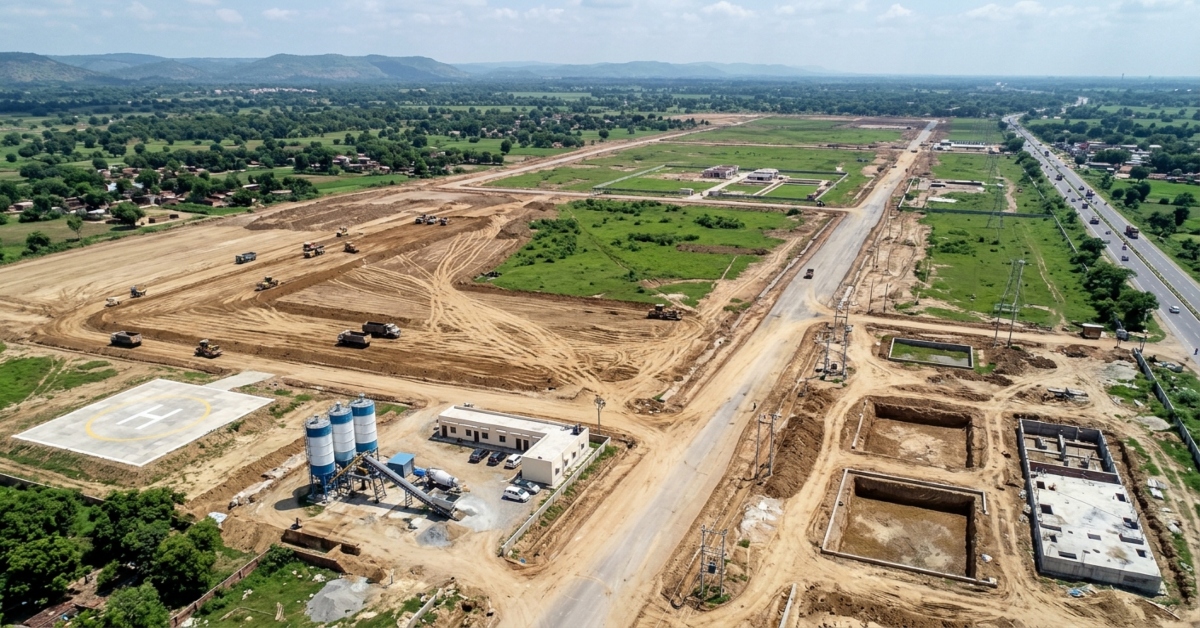
Land levelling has begun at the site, while construction-related facilities, including a mixer plant and guest house, are being developed. A helipad has also been constructed, according to the report.
The project is being developed as part of the Amritsar-Kolkata Industrial Corridor (AKIC) under the National Industrial Corridor Development Programme. The initiative aims to provide industrial infrastructure capable of attracting investment and supporting manufacturing activity.
Manufacturing, Logistics And Warehousing Planned
The proposed industrial hub is expected to accommodate businesses in sectors such as food processing, engineering, technical equipment manufacturing, packaging, warehousing and logistics.
According to the proposed land-use plan, around 55% of the project area will be allocated to industrial units, while 18% is earmarked for roads and parking. Approximately 20.30% is planned as green space, with the remaining area intended for utilities and other supporting facilities.
The development plan also includes a skill development centre, healthcare facilities, a hotel and community amenities to support workers and businesses operating in the industrial area.
Road Connectivity And Power Infrastructure
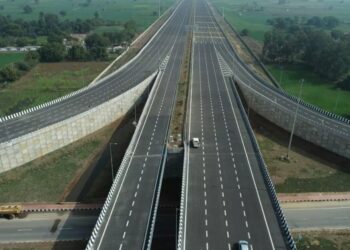
The project site is located near major road links, including NH-19, also known as the Grand Trunk Road, and NH-22. New connecting roads are planned to improve access for industrial units and freight movement.
A railway siding and logistics facilities are also envisaged to support the transportation of raw materials and finished goods. The planned connectivity is expected to help businesses move goods between Bihar and other industrial and commercial centres.
The project’s electricity infrastructure is planned around a 162 MVA transmission system, with the Bihar State Power Transmission Company and South Bihar Power Distribution Company involved in power-related arrangements, according to the report.
Wastewater Treatment And Environmental Infrastructure
The industrial cluster’s infrastructure plan includes water supply, wastewater treatment and solid waste management systems.
The project is estimated to require 37.41 million litres of water per day (MLD). The reported breakdown includes 14.02 MLD for industrial use and 6.36 MLD for domestic consumption.
Two common effluent treatment plants, each with a reported capacity of 14.50 MLD, are planned to treat industrial wastewater. A solid waste management system with a reported capacity of 34 tonnes per day is also envisaged, alongside plans to reuse treated water.
These facilities are intended to support the operation of industrial units while addressing wastewater and waste generated within the project area.
One Lakh Jobs Expected As Industries Develop
The project is expected to create around one lakh direct and indirect employment opportunities. The actual number of jobs will depend on the industries that establish operations at the site and the scale of investment they bring.
The industrial corridor is also expected to generate demand for transport, warehousing, maintenance, hospitality and other support services as commercial activity expands.
With its planned manufacturing facilities and transport links, the Dobhi project is intended to strengthen Gaya’s industrial base and attract investment to the region. Its longer-term employment impact will depend on the pace of infrastructure development and the arrival of industrial units.