Patna: AIIMS Patna and Jhpiego have joined hands to strengthen maternal and newborn healthcare services in Bihar, with a focus on improving coordination, early risk identification and access to timely care.

The collaboration was announced during a high-level roundtable on “No Woman Falls Through the Gap: Building a Network of Care from Pre-pregnancy to Postnatal Period”, organised by AIIMS Patna in collaboration with Jhpiego.
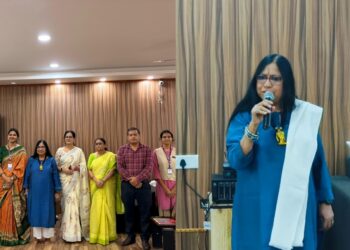
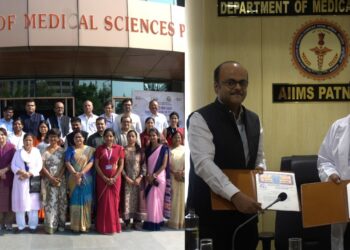
The event brought together policymakers, clinicians, public health experts, frontline workers, professional bodies, community representatives and development partners to discuss ways to build a more connected maternal healthcare system.

MoU To Focus On Maternal Health And Midwifery
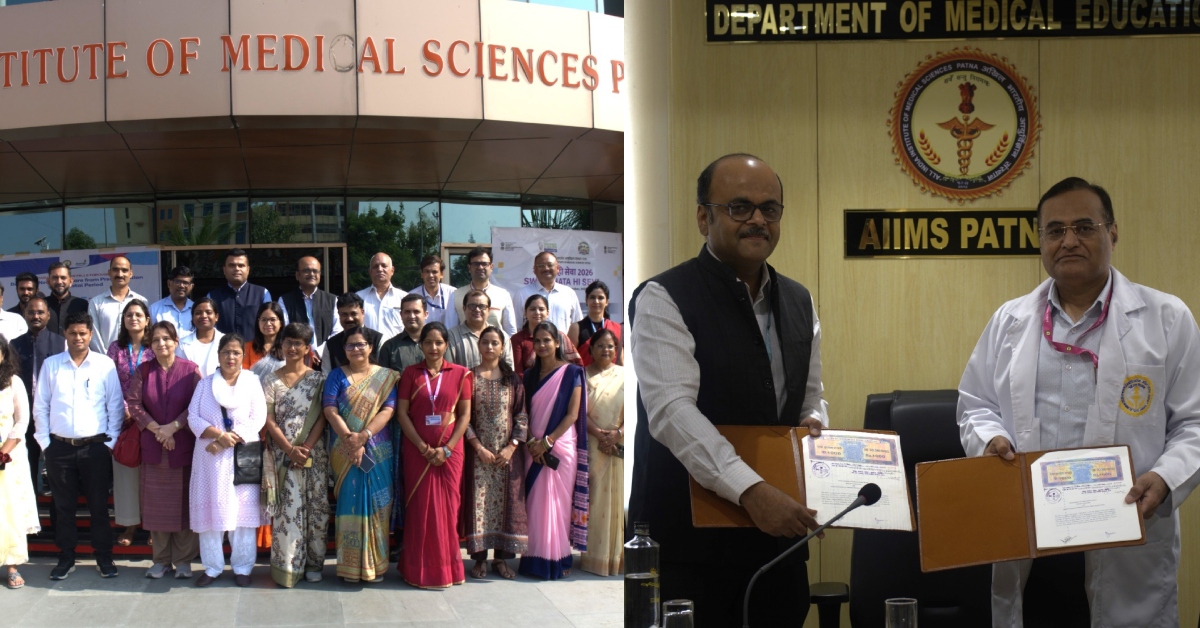
A key highlight of the roundtable was the signing of a Memorandum of Understanding (MoU) between AIIMS Patna and Jhpiego.
The agreement will focus on collaboration in maternal and newborn health, implementation research, capacity building, midwifery and healthcare innovation.
The MoU was signed by Prof. (Brig.) Dr Raju Agarwal, Executive Director and CEO, AIIMS Patna, and Dr Amit Shah, Country Director, Jhpiego India.
Dr Agarwal said the healthcare system should ensure that women receive the right care at the right place and at the right time, without delays or gaps between services.
Focus On Complete Continuum Of Care
The roundtable focused on building a woman-centred Network of Care covering the period from pre-pregnancy through pregnancy, childbirth and the postnatal period.
Participants discussed improving access to healthcare, strengthening the quality of maternity services and creating more effective referral and coordination mechanisms.
Dr Pawan Kumar, Additional Commissioner, Maternal Health and Immunization, Ministry of Health and Family Welfare, Government of India, stressed the importance of early identification of high-risk pregnancies and stronger postnatal follow-up.
Digital Tracking And Referral Systems
Dr Thiyagarajan S.M., IAS, Special Secretary, Health Department, Government of Bihar, shared experiences from the WONDER initiative in Darbhanga.
He highlighted the role of digital tracking, early identification of risks and coordinated referrals in reducing delays in maternal healthcare.
The discussion also highlighted the role of ASHAs, ANMs, Community Health Officers, Anganwadi Workers, midwives and JEEViKA community networks in identifying risks early and ensuring continued access to care.
Strengthening Midwifery-Led Care
Participants discussed strengthening Midwifery-Led Care Units (MLCUs) and the role of Nurse Practitioners in Midwifery (NPMs) in providing quality and respectful maternity care.
Sharing Kerala’s experience, Dr V.P. Paily, Senior Consultant-OBGYN, KFOG, spoke about the “no name, no blame” approach to maternal death reviews, which focuses on learning from cases and taking corrective action.
Dr Manohar Agnani, policy specialist and former IAS officer, emphasised seamless referrals supported by integrated health information systems and closed-loop referral mechanisms.
Dr Pragya Mishra Choudhary, President of the Patna Obstetric and Gynecological Society (POGS), called for stronger public-private collaboration and shared accountability.
Recommendations To Feed Into Patna Declaration
The recommendations emerging from the roundtable will contribute to the proposed Patna Declaration, which aims to strengthen Networks of Care across Bihar.
The proposed framework will focus on early risk identification, quality care, seamless referrals and sustained support for women.
The roundtable concluded with a shared commitment among AIIMS Patna, Jhpiego, JEEViKA, Piramal Foundation, government institutions and professional bodies to work towards a more connected maternal healthcare system.