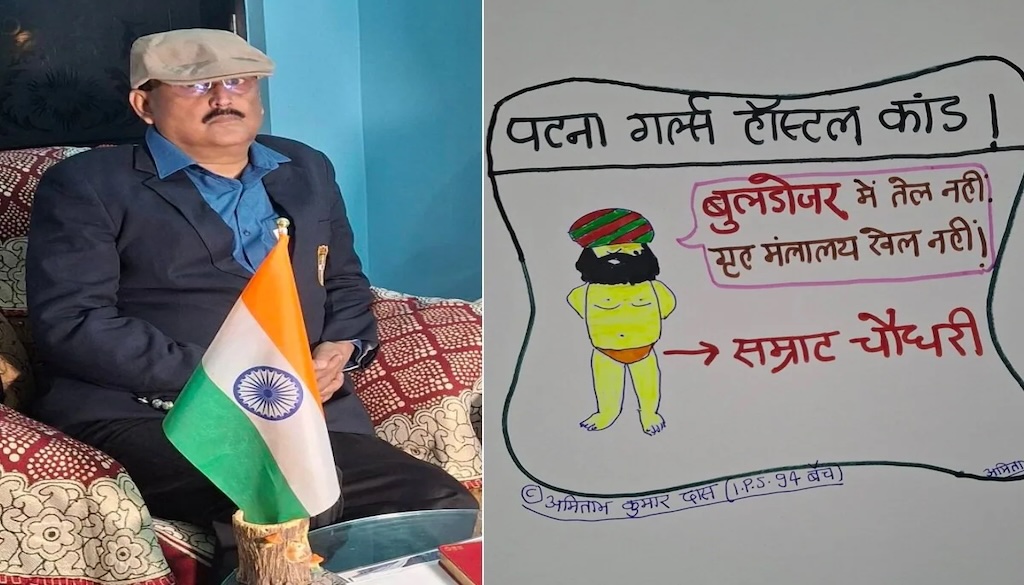
Patna: Amitabh Das, a former IPS officer long associated with combative public interventions, was arrested in Patna on Friday in connection with social media posts related to the death of a NEET aspirant at Shambhu Girls’ Hostel.

Case number 44/2026 has been registered against him at Chitragupta Nagar police station under provisions of the POCSO Act. Police allege that Das made comments concerning a minor student from Jehanabad and shared material that violated her privacy while also posting what they describe as misleading and inflammatory claims.
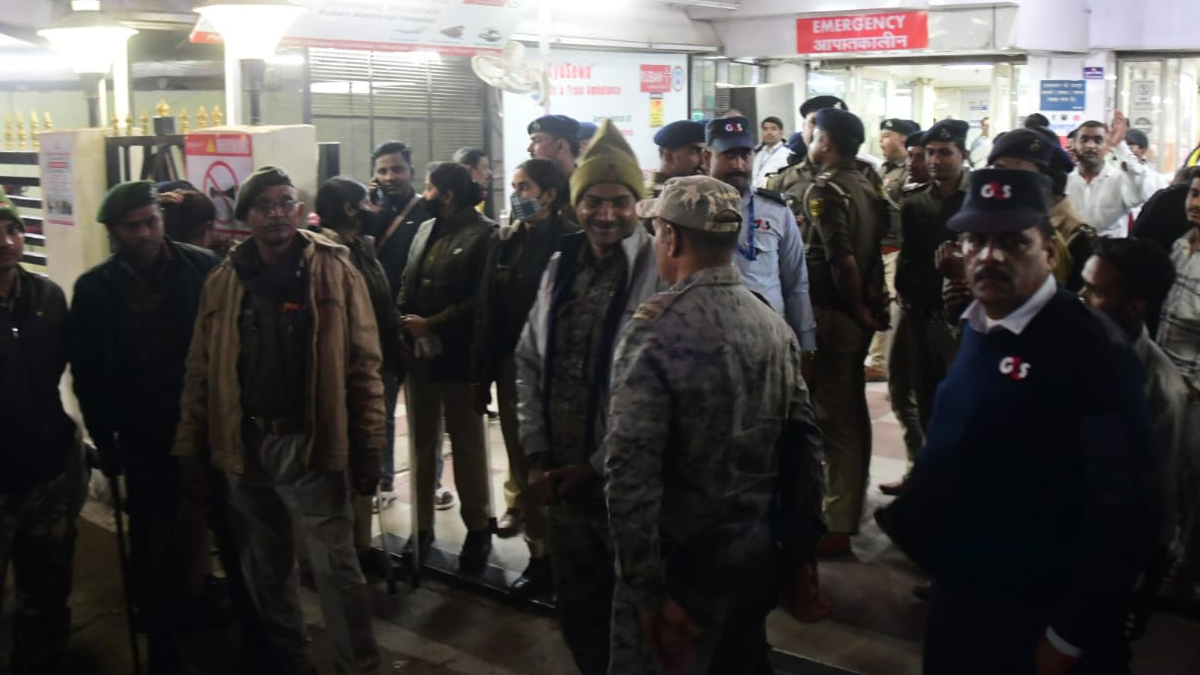
A large police contingent arrived at his residence in Patliputra Colony’s Patna Skies Apartments on Friday morning. Officers from three police stations conducted searches at the premises. During the operation, officials said Das’s health briefly deteriorated and a medical team was called. He was later taken to a hospital for a routine medical examination following his arrest.


The arrest follows weeks of controversy in which Das had made serious allegations in media interactions and on social platforms regarding the circumstances of the student’s death. The case, initially described as a suspected suicide, has since drawn intense public scrutiny and political debate.
Police said they had been monitoring Das’s posts across X, YouTube, Instagram and Facebook. According to officials, the former officer made “baseless and provocative” statements related to the Chitragupta Nagar police case and attempted to cast doubt on the integrity of the investigation.
Among the most contentious of his claims was a public demand that a DNA test be conducted on Nishant Kumar, son of the chief minister, in connection with the case. Das also suggested that samples from individuals visiting the chief minister’s residence be examined, arguing that such steps would reveal the truth. He warned that delays could allow “high-ranking officials” to influence the inquiry.
Police, however, said initial investigations found no basis for the allegations made in the posts and videos. They described the content as an attempt to influence the course of the investigation and create public mistrust.
The arrest adds another chapter to a case that has already generated protests, political crossfire and competing narratives. It also raises broader questions about the limits of public commentary in sensitive criminal investigations — particularly those involving minors — and the line between dissent, speculation and criminal liability.