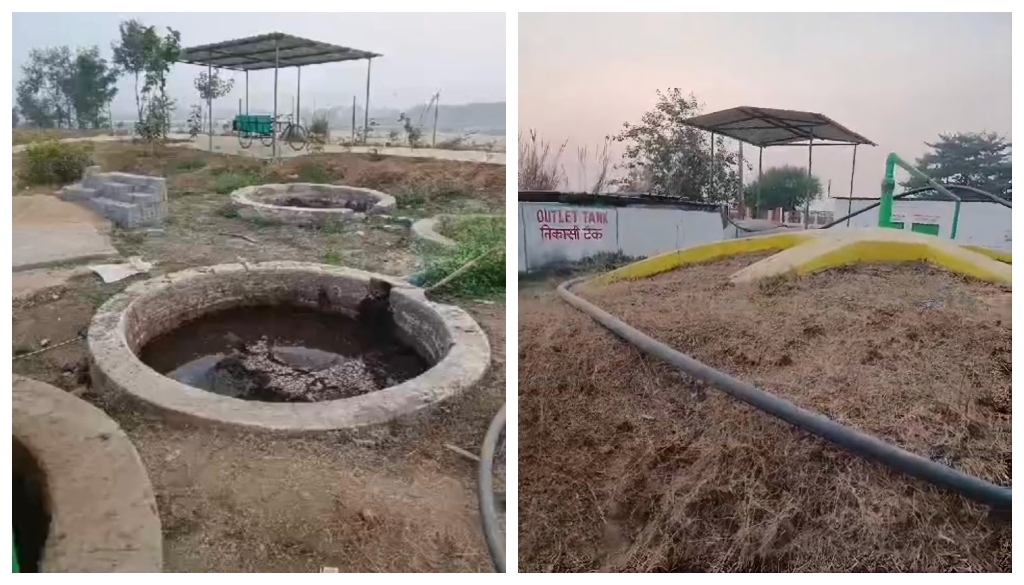
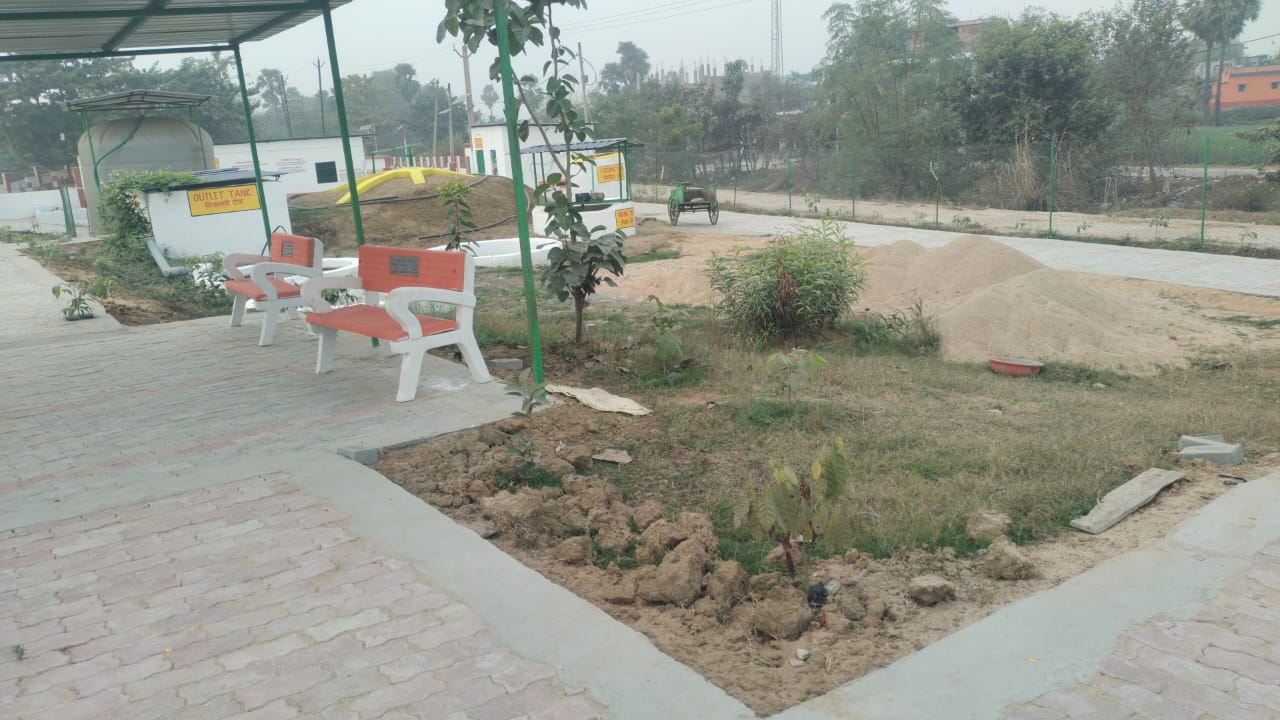
Gaya: Residents of Bataspur village in Bodh Gaya appear largely insulated from the growing concerns over LPG availability and rising costs, thanks to a community biogas plant that supplies cooking gas directly to homes through pipelines.

The initiative has become particularly significant amid reports of LPG supply disruptions linked to geopolitical tensions in the Middle East.
The plant, built around three years ago at an estimated cost of Rs 50 lakh, currently supplies cooking gas to between 35 and 50 households in the village. For many residents, the project has transformed everyday cooking while also strengthening the local rural economy.

Gas supplied through the biogas plant is priced at Rs 25 per unit, with an average household consuming about 20 units each month. After accounting for the cost of cow dung used to generate the gas, the monthly expense works out to roughly Rs 450 per household, almost half the cost of a standard LPG cylinder.
The plant operates on cattle waste and requires about two tonnes of cow dung daily to maintain production.
Initially, the panchayat had to procure dung from outside the village to run the system. However, the demand soon encouraged residents to begin rearing cattle themselves, creating an additional source of income.
Today, villagers collectively produce more than 200 litres of milk daily, much of which is sold to a local procurement centre of Sudha Dairy.
Residents also earn income by supplying cow dung to the biogas plant at 50 paise per kilogram.
Ishwar Manjhi, the mukhiya of Basadhi panchayat, which includes Bataspur among its seven revenue villages, said the project was designed to offer an affordable cooking fuel while supporting local livelihoods.
“The biogas plant has the capacity to supply piped gas to around 50 households,” Manjhi said. “Two women and one male worker are engaged in operating the plant, while the panchayat takes care of maintenance and other expenses.”
He added that a local committee supervises the plant’s daily operations.
“At the beginning we had to bring cow dung from outside the village. But gradually villagers started raising cattle themselves to reduce costs,” he said. “They now earn income by selling both milk and dung.”
Most households in Bataspur still retain LPG connections as a backup, but residents say they no longer worry about fuel shortages.
“If demand increases, we can expand the plant by collecting more dung,” said a member of the village committee.
For many women in the village, the system has made cooking easier and more reliable.
“There is no need to book LPG refills or wait for cylinders,” said a resident who has been using the biogas supply for three years. “Biogas is cheaper and convenient. It is also environment-friendly, and the residue from the plant is used as organic manure, which helps keep the surroundings clean.”
Local officials say the model demonstrates how community-based renewable energy systems can support both energy security and rural livelihoods.