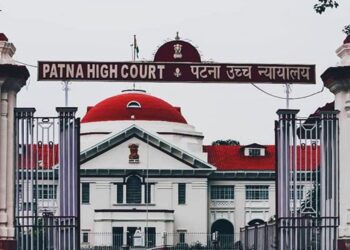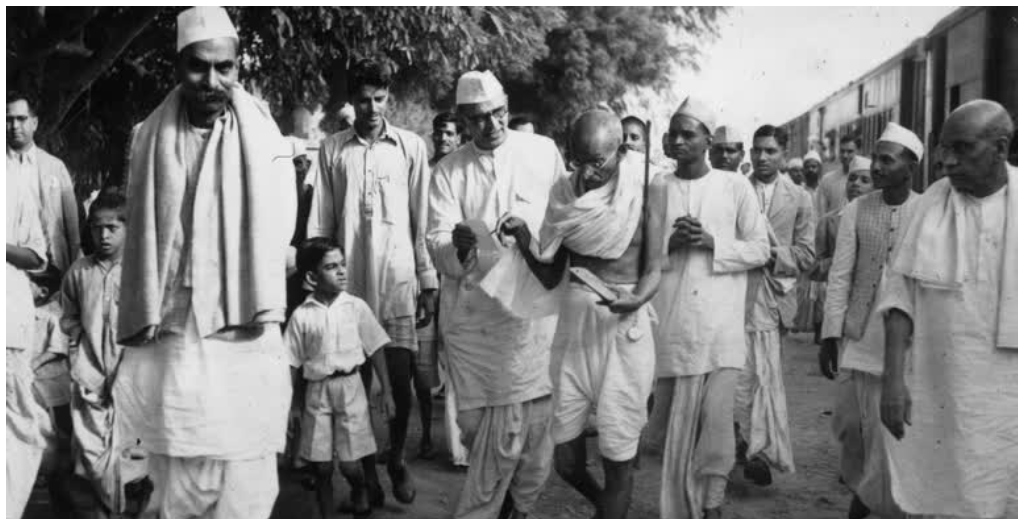
Patna: As Bihar prepares for its assembly elections, discussions about the state’s richest and poorest districts have come into focus. Patna, the state capital, is the richest district, with a per capita income of Rs1,21,396. It is home to the families of Chief Minister Nitish Kumar and former Chief Minister Lalu Yadav. In contrast, Champaran, where Mahatma Gandhi launched his first Satyagraha in 1917, is ranked as the fifth poorest district in Bihar.

Champaran has a special place in India’s history. Gandhi led a movement here to protest the British colonial system, which forced local farmers to grow indigo under an unfair system called ‘Teen Kathia’. Today, despite this historical significance, East Champaran has a per capita income of only Rs22,698, while West Champaran’s per capita income is Rs25,700. Originally a single district, Champaran was split into East and West Champaran in 1971. The headquarters of East Champaran is in Motihari, and West Champaran’s headquarters is in Bettiah.
The economic divide in Bihar is significant. The five richest districts—Patna, Begusarai, Munger, Bhagalpur, and Rohtas—have per capita incomes ranging from Rs34,881 to over Rs1.2 lakh. On the other hand, the five poorest districts—Sheohar, Sitamarhi, Araria, Madhubani, and East Champaran—have per capita incomes between Rs19,561 and Rs22,698. These disparities are drawing attention from political parties as they campaign for the upcoming elections, promising development and better opportunities for poorer districts.

Despite these gaps, Bihar’s economy has been growing. In 2022-23, the state’s GDP grew by 15.5% at current prices and 10.6% at constant prices. Bihar’s nominal per capita income increased by 13.9% to Rs59,637, while real per capita income grew by 9% to Rs35,119. Yet, many districts, including Champaran, continue to face challenges like poverty and low income, showing that economic growth has not reached all regions equally.