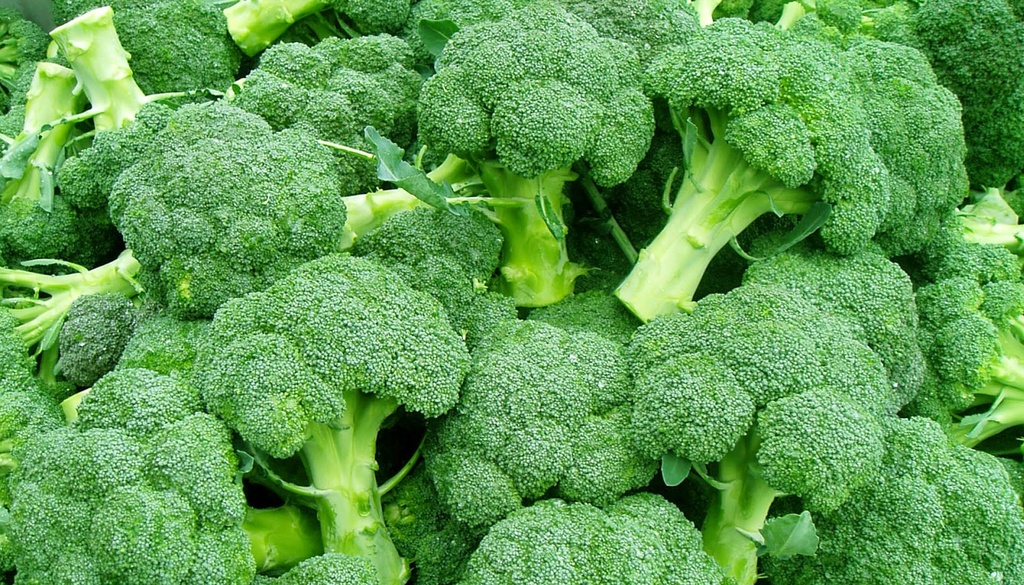
Patna/Gayaji: A quiet agricultural shift in Khanjahanpur, near Gayaji, is turning farmers into lakhpatis as broccoli cultivation delivers returns rarely seen in traditional crops. The village, where just a handful of farmers experimented with the vegetable a few years ago, now has nearly 100 growers cultivating close to 100 acres, according to local accounts.

The crop, once associated with foreign kitchens and the tourist hubs of Bodh Gaya, has rapidly found a domestic market. Farmers claim that with an investment as low as Rs. 1,000 per kattha, earnings of Rs. 20,000 are common — a 20-fold return. On larger plots, the numbers increase dramatically: “One acre can bring in Rs. 5 lakh in pure income,” says Umesh Kumar, a farmer expanding his fields to meet demand.
“One kattha produces around 600 to 700 heads of broccoli, weighing up to 7 quintals. With prices touching Rs.40–50 apiece in peak season, the maths is simple,” Kumar says.
A village rebrands itself

Locals now refer to Khanjahanpur as “the broccoli village,” after farmers abandoned cauliflower and cabbage for the more lucrative alternative. Demand flows from nearby districts and even across state lines to Jharkhand and Tata, with growers saying they struggle to match orders.
Sanjay Kumar, who began farming on half an acre, recalls that early seeds came from monasteries in Bodh Gaya that introduced the variety to local growers. “It started with foreigners buying it. Now, Bihar is eating broccoli — and we can’t supply enough.”
Health halo drives consumption
Agricultural scientists attribute part of the boom to the crop’s growing reputation for health benefits. Dr Ashok Kumar, from the Manpur Agricultural Science Centre, says broccoli is rich in fibre and antioxidants and may support immunity, digestion and weight control. However, he warns against excessive intake for people with thyroid issues or digestive sensitivities.
Low cost, high return — with caveats
Broccoli grows best in sandy loam soil, requires efficient drainage and thrives in winter with temperatures between 12–20°C. While it can mature in just 40–60 days, waterlogging and poor spacing can ruin yields. Carefully managed, the crop offers a level of profitability farmers say they rarely see in other vegetables.
The boom is yet to fully stabilise, and demand currently outweighs supply. With expansion into neighbouring villages and districts, farmers and experts cautiously note that market saturation could become a future challenge. For now, however, the village is celebrating its success — and looking ahead with optimism.