Patna: Bihar has emerged as one of the top-performing states in sanitation and access to clean water, securing the third position with a score of 98 under Sustainable Development Goal 6 (SDG-6) in the NITI Aayog SDG Index for 2023–24. The state has also improved its overall SDG score from 48 in 2018–19 to 57 in 2023–24, moving from the “Aspirant” category to the “Performer” category.

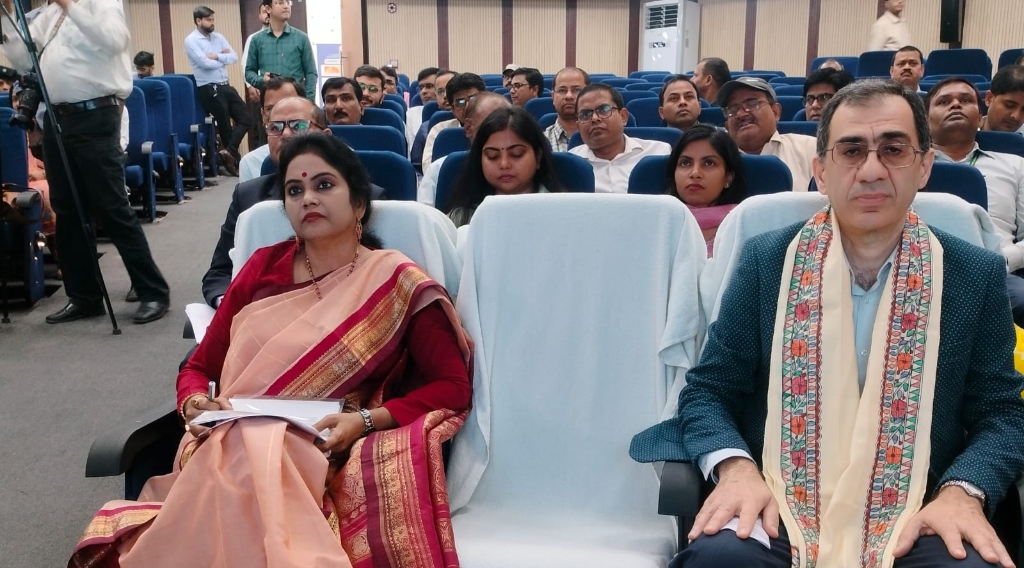
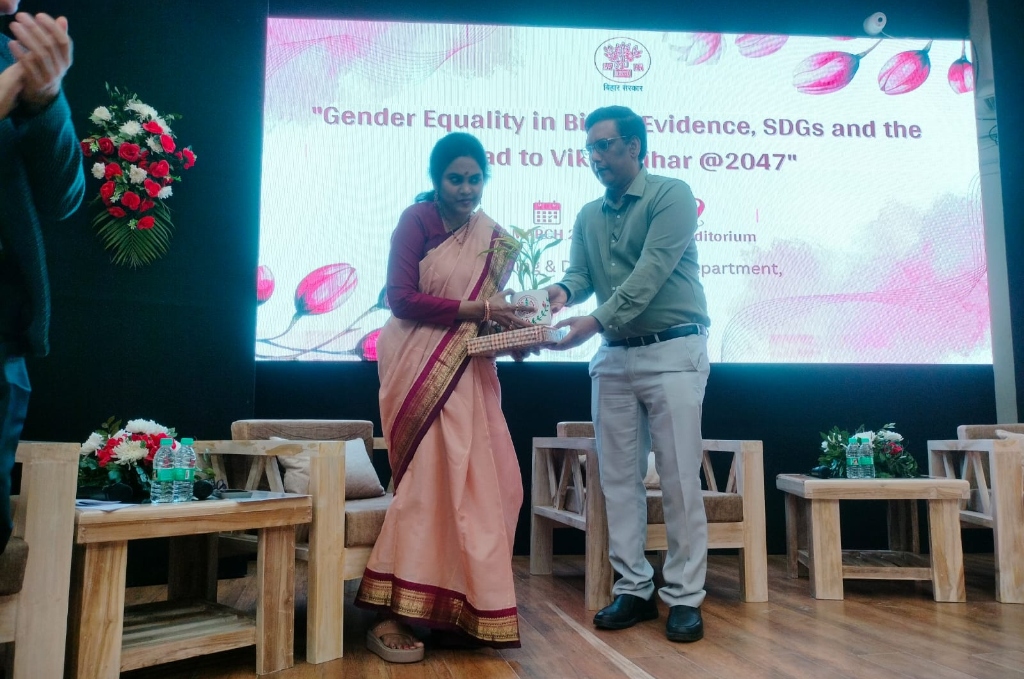 The achievement was highlighted by Dr N. Vijayalakshmi, additional chief secretary of the planning and development department, while addressing a workshop in Patna on International Women’s Day. She said the state had made steady progress across several SDG indicators despite limited resources, attributing the improvement to sustained implementation of development programmes and efforts to ensure gender balance in governance.
The one-day workshop, held at the LN Mishra Institute of Economic Development and Social Change, focused on gender-related indicators, particularly SDG-5 on gender equality. Officials stressed the importance of assessing indicators linked to poverty reduction, health, education, employment and social justice, while calling for evidence-based strategies to increase women’s participation in the economy and strengthen their role in leadership and decision-making.

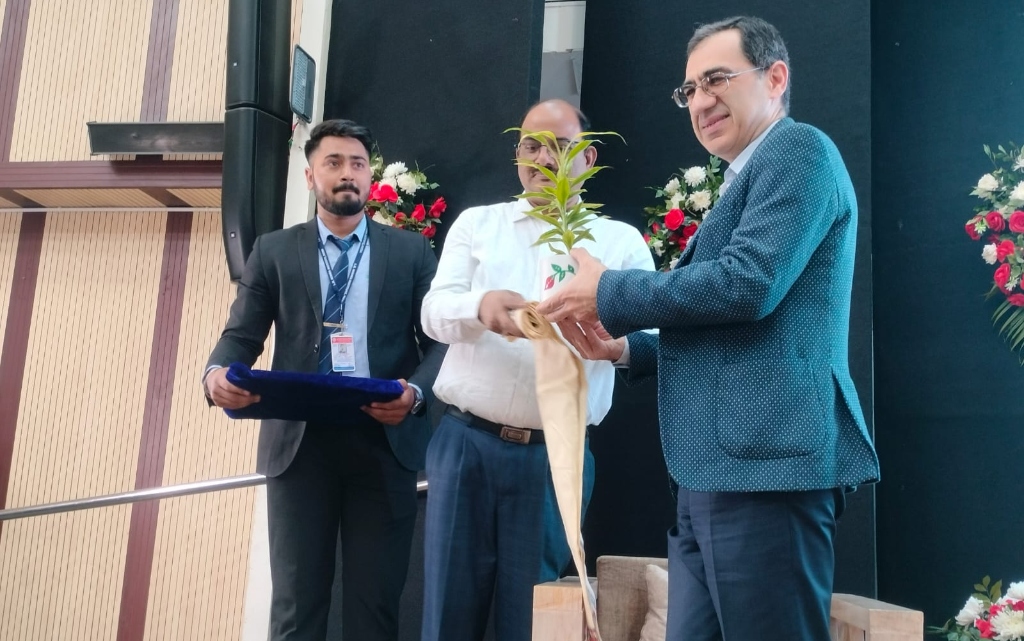 During the session, UNICEF expert Manoj Narayan presented an overview of SDG indicators, noting that Bihar’s score in SDG-5 had increased by 20 points between 2018–19 and 2023–24. He credited several government initiatives for the progress, including 50% reservation for women in local bodies, 35% reservation in government jobs, the Mukhyamantri Mahila Udyami Yojana, the Saat Nischay programme and the Jeevika livelihood initiative.
Participants at the workshop also discussed ways to strengthen policies aimed at empowering women and girls. They reaffirmed the need to build a more inclusive and gender-sensitive society in the state, while acknowledging challenges such as gender-based violence, unequal access to economic opportunities and the unequal burden of unpaid care work on women.
Experts emphasised the importance of stronger coordination between departments, gender budgeting and data-driven policymaking to further advance gender equality and ensure sustainable development across the state.