Patna: The Bihar chief minister, Nitish Kumar, has said his government will fulfil all its development promises by 2030, as he unveiled a raft of infrastructure and employment initiatives during a visit to Muzaffarpur.

Speaking on Friday during his “Samriddhi Yatra”, He inaugurated and laid the foundation stones for projects worth Rs 853 crore (£81m) in the district. These included 89 new schemes valued at Rs 194 crore, the inauguration of 47 completed projects worth Rs 212 crore, and the launch of work on 36 projects amounting to Rs 447 crore.
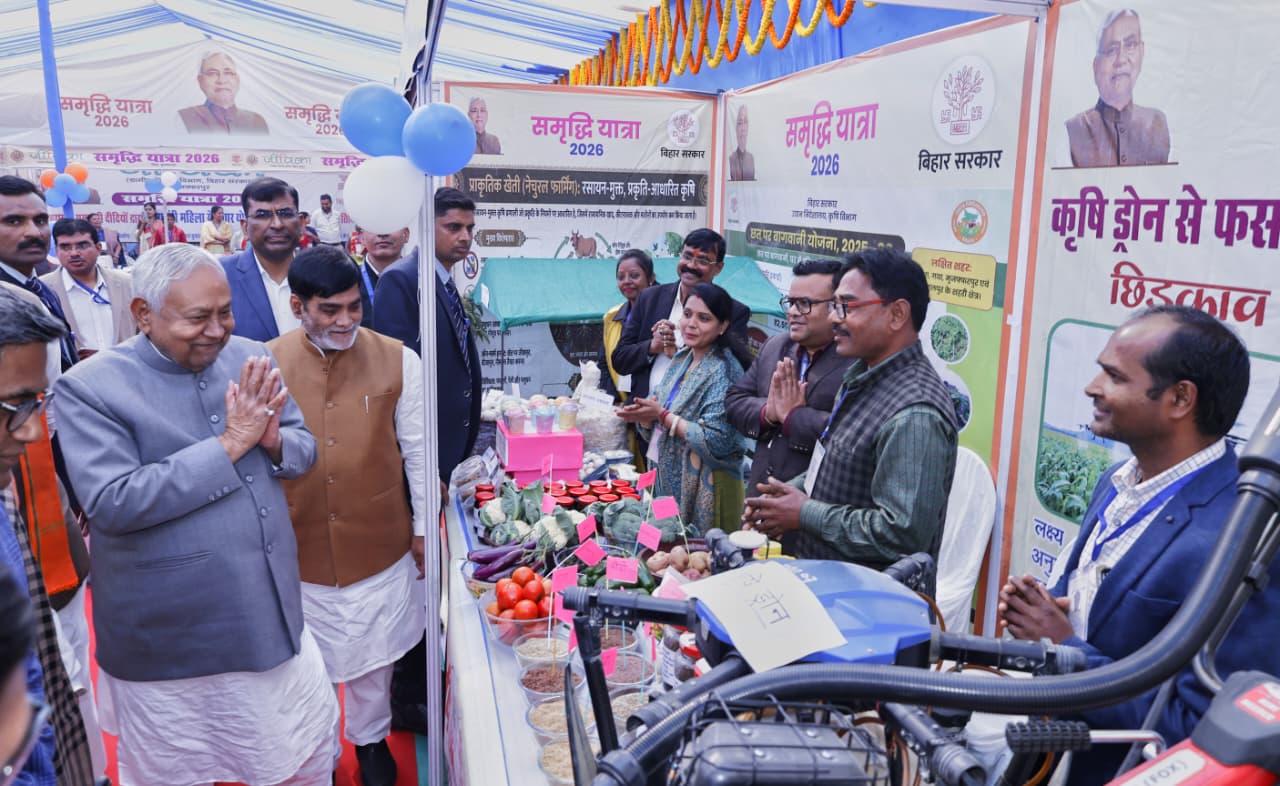

The chief minister also reviewed the progress of ongoing works, receiving briefings from district officials on road, bridge and urban infrastructure projects. At Bakhri Chowk, he was updated on the construction of a four-lane road and the phase II approach road to the under-construction Chandwara bridge.
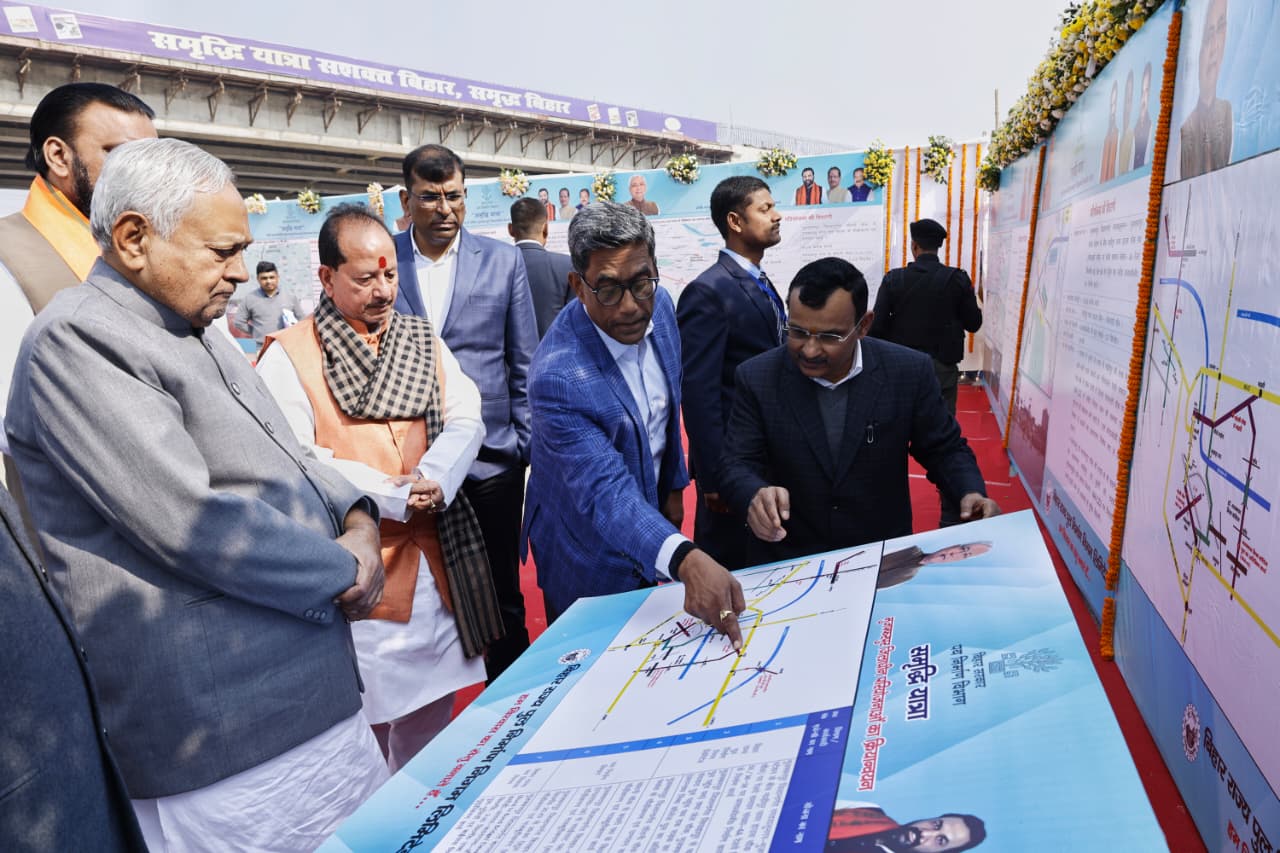
Officials from the National Highways Authority of India told CM Nitish that the alignment for the Muzaffarpur East Bypass had been finalised. They also outlined a comprehensive plan for Ramdayalu Junction, which includes a circular road in Ramdayalunagar and three elevated corridors leading to Madhaul, Dighra and Khabra, a move expected to ease traffic congestion in the city.
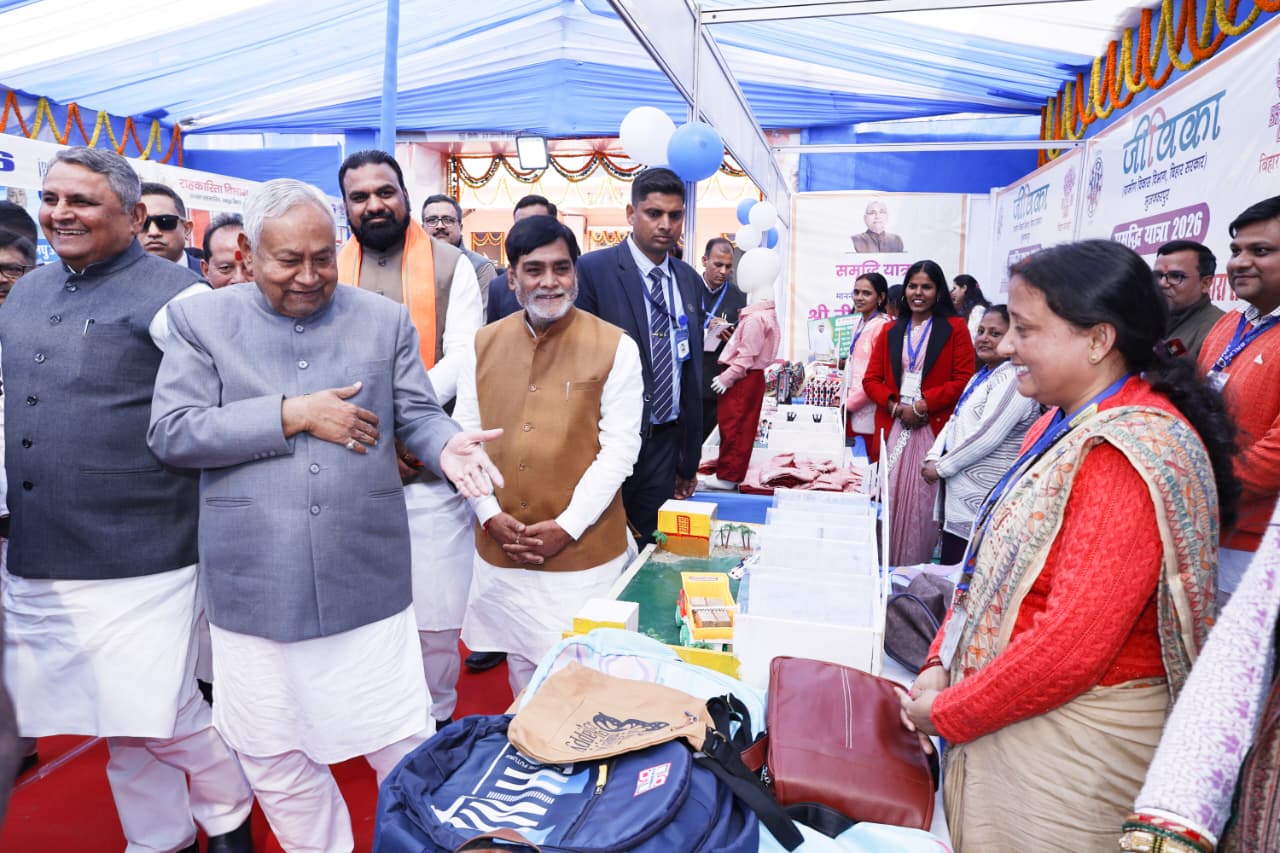
CM visited stalls run by women from the Jeevika self-help groups, praising their work, before addressing a public meeting at the market committee premises attended by ministers, MPs, MLAs and local residents.
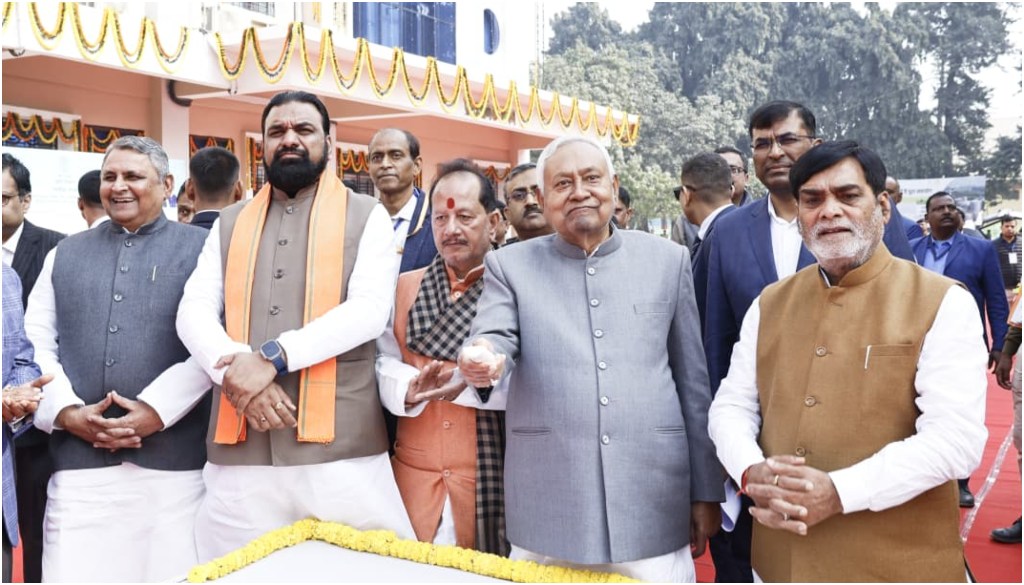
From the stage, the chief minister inaugurated a new administrative building built at a cost of Rs 71 crore and 283 newly constructed shops. He announced that the government aimed to provide jobs or employment opportunities to one crore young people over the next five years, supported by the creation of a new skill development department.
Referring to the state’s flagship “Saat Nishchay” programme, CM said all ambitious schemes would be completed within the next five years. “Since 2005, the rule of law has been established in Bihar,” he said, pointing to investments in roads, education, health, electricity and women’s empowerment. He highlighted large-scale teacher recruitment, improvements in health infrastructure and the provision of free medicines, adding that the state planned to move towards free electricity for households through solar power initiatives.
He said a caste-based census had identified 9.4 million poor families and pledged targeted employment and self-employment support for them. “We will fulfil all our resolutions by 2030,” he said, reiterating the government’s commitment to women’s empowerment through programmes such as Jeevika and reservation policies that provide 35% of government jobs and 50% of seats in local bodies to women.
The deputy chief minister, Samrat Choudhary, said Bihar was progressing towards sustainable development under CM’s leadership and described Muzaffarpur as a priority district, with plans to develop it as a smart city. Another deputy chief minister, Vijay Kumar Sinha, credited Kumar with steering the state away from “misrule” towards good governance, and highlighted welfare schemes run by both the state and central governments.