Patna : The Bihar Energy Department is targeting approximately 24 gigawatts (GW) of renewable energy capacity and 6.1 gigawatt-hours (GWh) of energy storage capacity by the financial year 2029–30, as the state steps up efforts to meet rising electricity demand and attract investment in clean energy projects.

The targets were highlighted at the Green Energy Conclave 2026 in Patna, where Energy Minister Shailesh Kumar, alias Bulo Mandal, emphasised the importance of renewable energy and battery storage in strengthening Bihar’s energy security and supporting industrial development.
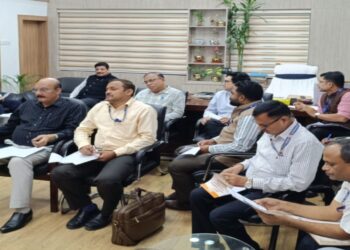
Organised under the aegis of the Global Energy Alliance for People and Planet, the conclave brought together government officials and stakeholders to discuss renewable energy expansion, industrial and rooftop solar power, energy storage, policy frameworks and cooperation between the government, industry and development partners.

Bihar’s Peak Electricity Demand Reaches 9,475 MW
Addressing the inaugural session, Energy Minister Shailesh Kumar said electricity demand in Bihar was increasing because of population growth, urbanisation, industrial activity and economic development.
The state has already met a record peak electricity demand of 9,475 megawatts (MW). The government is strengthening electricity generation, transmission, distribution and storage infrastructure to meet future requirements.
Energy Department Secretary Ajay Yadav, who is also chairman and managing director of Bihar State Power Holding Company Limited (BSPHCL), said peak demand had increased from 2,800 MW in financial year 2014 to 9,475 MW in 2026. It is projected to reach approximately 12,000 MW by 2030.
Yadav said Bihar had significant opportunities to develop solar power, solar parks, biomass, green hydrogen, battery energy storage systems (BESS), pumped storage projects and green energy corridors. Investment opportunities also exist in solar equipment manufacturing and supporting energy infrastructure.
The state government has assured support for new energy projects and investments as part of its broader development strategy.
Rooftop Solar Plan Targets 2.5 Lakh BPL Families
The state is working to connect approximately 2.5 lakh eligible families living below the poverty line (BPL) with rooftop solar schemes, according to the Energy Minister.
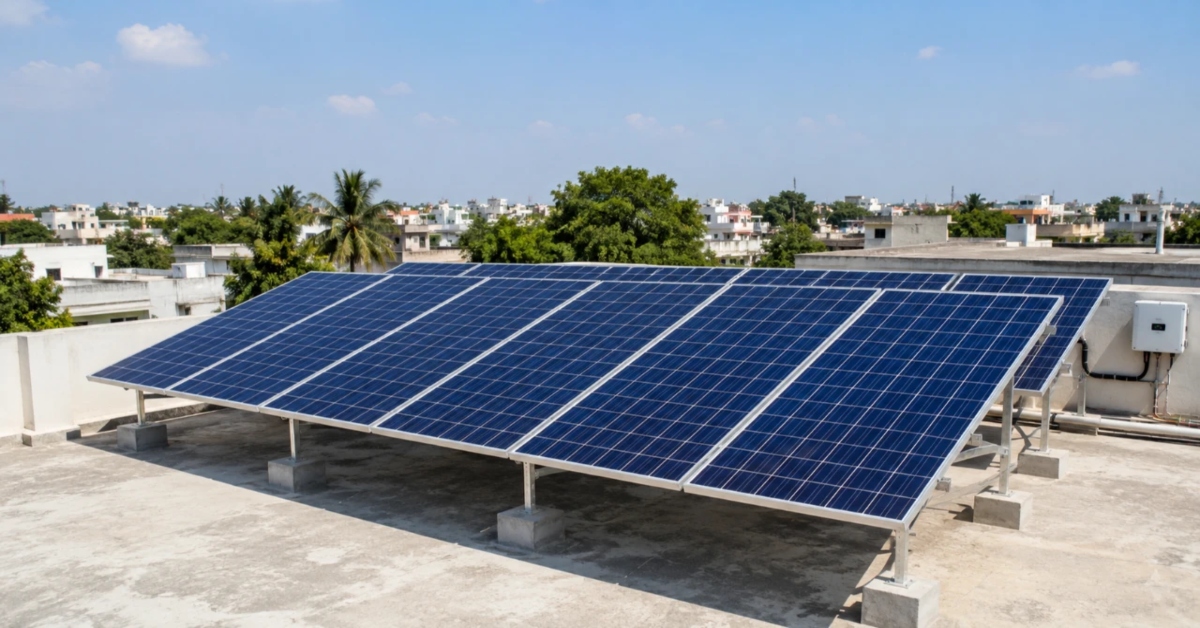
The government is promoting rooftop installations under the PM Surya Ghar scheme, while also focusing on battery storage and other modern technologies to improve electricity availability.
Under the Pradhan Mantri Kisan Urja Suraksha evam Utthaan Mahabhiyan (PM-KUSUM), solarisation has been approved for 2,554 agricultural feeders in Bihar. The programme involves installing solar power plants with a combined capacity of 2,585 MW.
The initiative is intended to expand solar energy use in agriculture and contribute to the state’s renewable energy targets.
The minister also referred to Bihar’s cultural association with solar worship during Chhath. He said the state was working to maximise the use of solar electricity during the day while expanding battery storage capacity to help meet higher electricity demand in the evening.
Renewable Energy Policies Set Targets For 2029–30
Bihar is pursuing renewable energy development under its Renewable Energy Policy 2025 and pumped storage policy. These frameworks aim to expand clean energy generation and strengthen the state’s ability to store electricity for use when demand rises.
The government has set targets of approximately 24 GW of renewable energy capacity and 6.1 GWh of energy storage capacity by 2029–30. Key areas of focus include agricultural feeder solarisation, rooftop solar installations, solar power combined with battery storage and pumped storage projects.
The state is also implementing its Green Hydrogen Policy 2026 to encourage investment and support the development of green hydrogen projects.
Officials said these initiatives could open up investment opportunities in renewable energy generation, storage systems, solar equipment manufacturing and associated infrastructure.
Kajra Solar Project Expands Battery Storage Infrastructure
The solar power project at Kajra in Lakhisarai district is among the major initiatives highlighted as part of Bihar’s energy storage plans.
According to the details presented at the conclave, the project’s first phase has 185 MW of solar power capacity and a 282 megawatt-hour (MWh) battery storage system in operation.
Work on the second phase, comprising 116 MW of solar capacity and 241 MWh of battery storage, is under way. The state is also pursuing a third phase involving the development of 500 MWh of additional battery storage capacity.
Battery storage can retain electricity generated during periods of high solar output and make it available when demand increases, including during evening hours. Expanding storage infrastructure is therefore important to integrating a greater share of renewable energy into the state’s electricity supply.
Yadav said the government was also strengthening the power grid through the expansion of substations and transmission lines. Over the next year, particular attention will be given to improving the capacity of distribution companies and the transmission network.
Cabinet Approves Rs 11,096.55 Crore Power Distribution Plan
Separately, the Bihar Cabinet, chaired by Chief Minister Samrat Choudhary on Wednesday, approved major proposals to strengthen the state’s electricity infrastructure.
One decision cleared a Rs 33.44 crore plan to install two 200 MVA power transformers at grid substations in Darbhanga and Khagaul under Bihar State Power Transmission Company Limited.
The Cabinet also approved a Rs 11,096.55 crore plan to improve the electricity distribution system over three years.
The programme will cover the expansion of low-tension electrical systems and cables, upgrades to overloaded transformers and improvements to the distribution network.
These measures are intended to strengthen electricity infrastructure and help provide consumers with more reliable power services.
Bihar Energy Department Focuses On Industrial Solarisation
The conclave’s first plenary session, titled Accelerating Renewable Energy Transition and Industrial Solarisation in Bihar, included Energy Department Secretary Ajay Yadav and Industries Department Secretary Kundan Kumar.
Discussions focused on expanding renewable energy adoption, increasing solar power use among micro, small and medium enterprises (MSMEs), and developing solar projects for industrial units and clusters.
Participants also emphasised the need for coordination between government departments, businesses and development partners to encourage investment and ensure effective implementation of projects.
Yadav said Bihar had opportunities to attract investment in electricity generation, transmission and distribution, as well as supporting infrastructure. The government is also focusing on dedicated feeders and improved monitoring and consumer service systems to provide industrial areas with reliable, quality electricity.
The state has introduced the Industrial Investment Promotion Package 2025 to encourage private investment, industrial development and employment generation.
Clean Energy Seen As Key To Bihar’s Economic Growth
The Green Energy Conclave 2026 focused on identifying opportunities to expand clean energy, promote industrial solar power and make Bihar more attractive for energy-related investment.
With peak electricity demand projected to reach approximately 12,000 MW by 2030, the state faces the challenge of expanding its power infrastructure while meeting the needs of households, agriculture and industry.
The Bihar Energy Department’s renewable energy targets, solarisation programmes and battery storage projects form part of its strategy to address these requirements.
Progress will depend on the implementation of planned projects, the expansion of electricity infrastructure and the ability to attract investment across renewable energy generation, storage and industrial applications.