Aurangabad: The district administration in Aurangabad is promoting pearl farming and giant freshwater prawn farming to increase farmers’ income and create self-employment opportunities in rural areas.

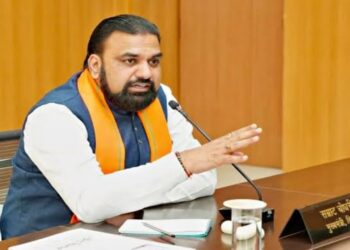
The initiative is being implemented by the District Fisheries Office under the Fish Species Diversification Scheme of the Fisheries Department, Dairy, Fisheries and Animal Resources Department, Bihar. The programme is being carried out under the leadership of District Magistrate Abhilasha Sharma, with a focus on scientific utilisation of available water resources and promotion of aquaculture.
Pearl farming promoted as alternative livelihood
Under the scheme, pearl farming is being developed as an option for generating higher income from relatively small areas. Oysters can be reared in ponds and other suitable water sources, where high-quality pearls are produced through artificial implantation and scientific management.

The pearls can be used in jewellery, decorative products and other value-added items.
The cost of establishing a 0.5-acre pearl farming unit has been fixed at Rs 2.246 lakh. Beneficiaries from all categories are eligible for a 60% subsidy under the scheme.
Farmers, young people, women and self-help groups interested in pearl farming will also receive technical training in oyster rearing, nucleus implantation, maintenance and pearl harvesting.
Giant freshwater prawn farming gets push
The district is also promoting giant freshwater prawn (Giant Freshwater Prawn) farming in suitable ponds and water bodies across Bihar as an alternative aquaculture activity.
Giant freshwater prawns generally command a higher market price than common fish species, making them a potential additional source of income for farmers.
With scientific techniques, prawn farming can also be integrated with fish farming as a multi-species aquaculture system. This can help farmers make better use of existing ponds while generating additional income from the same water resource.
Under the scheme, the cost of setting up a 0.5-acre prawn farming unit is ₹1.10 lakh, with beneficiaries from all categories eligible for a 60% subsidy.
Officials have stressed that successful prawn farming requires proper water quality, quality seed, balanced feed, biosecurity measures and scientific management practices.
Online applications invited
The Fish Species Diversification Scheme aims to create new self-employment opportunities for rural youth, increase the income of fish farmers and enhance the economic participation of women and self-help groups.
The initiative is also expected to generate local employment opportunities linked to aquaculture production, processing, marketing and supply chains.
Interested farmers and citizens can apply online with the required documents through the Bihar Fisheries Department’s website, fisheries.bihar.gov.in. Applicants can also contact the District Fisheries Officer, Fisheries Extension Officer or Fisheries Development Officer for detailed information about the scheme.
The Fisheries Department is providing technical guidance, training and financial assistance to eligible beneficiaries. The district administration is supporting the implementation of the scheme, which aims to promote aquaculture through better utilisation of available water resources and create additional income opportunities for farmers.