
Patna: The Bihar government has said it will begin developing “core areas” for a network of satellite townships planned across 11 districts, in a move officials claim will both streamline land acquisition and raise the value of farmers’ holdings.

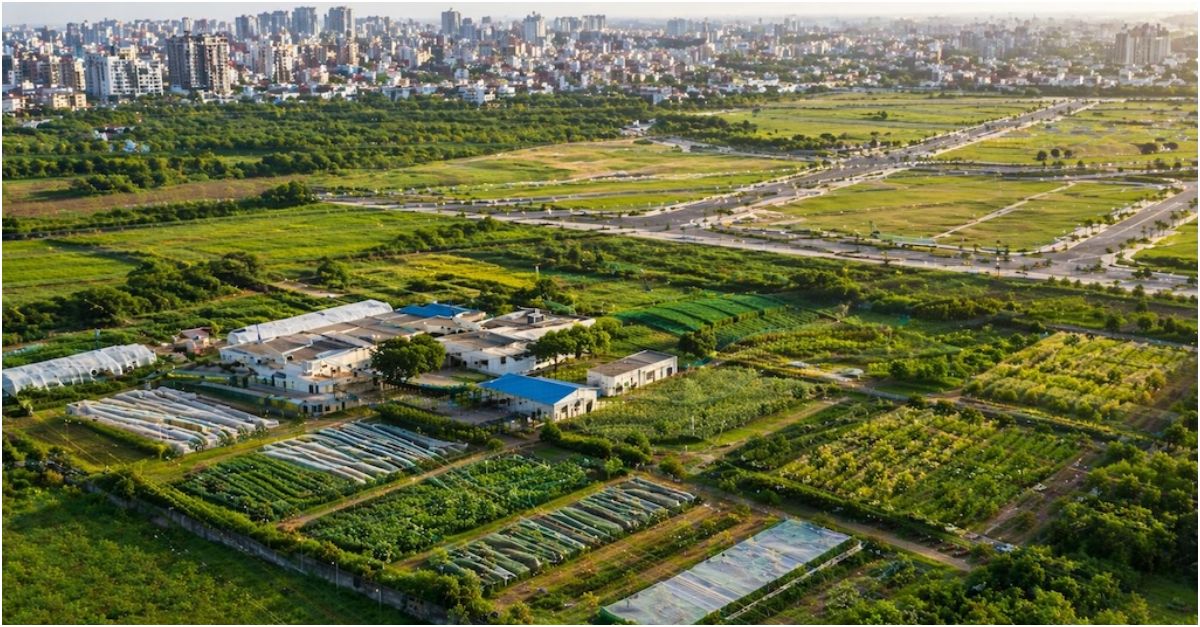
The decision was announced following a cabinet meeting chaired by chief minister Samrat Choudhary, with authorities indicating that the first phase will prioritise largely agricultural tracts that currently lack built infrastructure. Officials described these zones as akin to green belts, where the absence of construction is expected to ease the process of land pooling and development.
Under the plan, land within the designated areas will be reorganised into residential, commercial and community-use zones. The state’s urban development department said the initial work on core areas would lay the foundation for a later expansion into adjoining “special areas”.

The proposed townships are expected to include wide roads, street lighting, drainage systems and other civic infrastructure. Public amenities such as parks and playgrounds will be built primarily on government-owned land.
According to planning guidelines, 3% of the total land area will be reserved for housing for economically weaker sections, while 5% will be allocated to green spaces. A further 15% will remain under the control of the planning authority for future development needs. More than half of the land is earmarked for roads and infrastructure, with 55% of the developed land to be returned to original landowners under the land-pooling mechanism.
Officials said the largest “special area” has been identified in Patna, covering more than 81,000 hectares. In Sonepur, the core development area spans around 2,000 acres, making it the largest such zone in the state so far.
The government is also aiming to position the new townships as economic hubs, with improved connectivity through road, rail and air networks. Plans include aligning township boundaries with national highways and ring road systems. Proposals are under consideration for new airports, including a greenfield facility in Sonepur and another near Sultanganj to serve the Bhagalpur region.
Officials argue that the model will benefit farmers whose land is currently fragmented or irregular. Through the scheme, such holdings will be consolidated and returned as developed plots with access to roads, electricity, water supply and drainage.
While agricultural land in these areas currently commands relatively modest prices, authorities say its value is likely to rise significantly once incorporated into fully serviced township developments. The government has framed the initiative as part of a broader effort to promote planned urbanisation while improving rural landholders’ economic prospects.