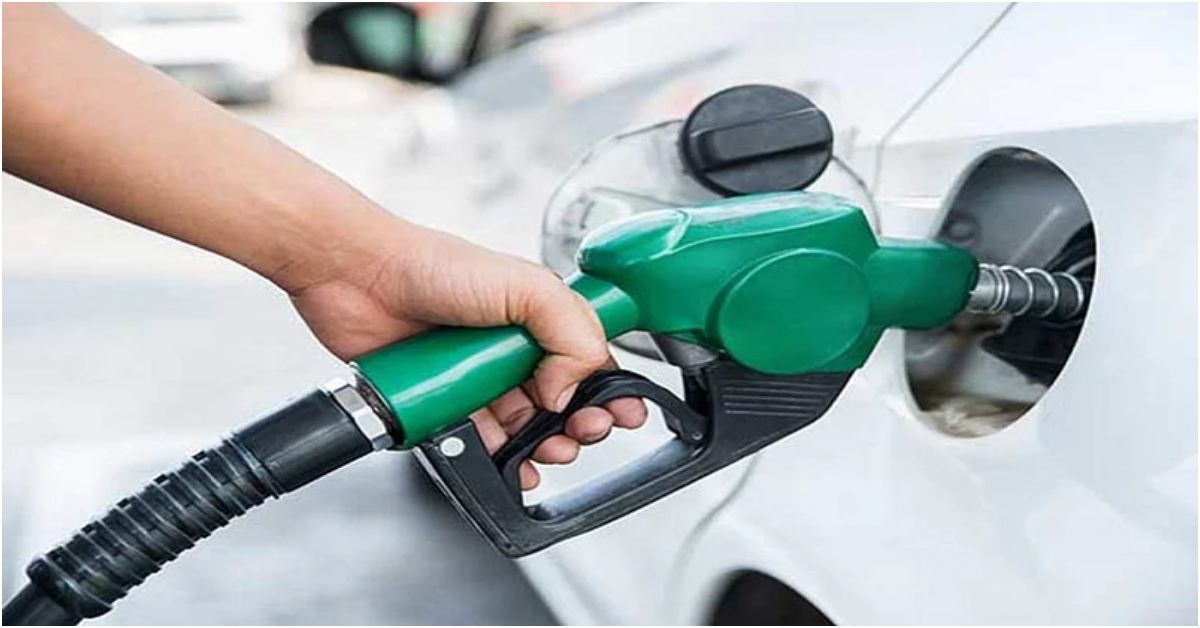
Patna: Petrol and diesel prices have been increased by Rs 3 per litre across the country amid rising global crude oil prices triggered by the ongoing conflict involving the United States, Israel and Iran. The revised fuel prices came into effect from May 15, leading to panic buying and long queues at petrol pumps in several parts of Bihar.

In Patna, petrol is now being sold at Rs 108.67 per litre, up from Rs 105.37 on Thursday. Diesel prices have also risen from Rs 91.65 to Rs 94.65 per litre. Along with petrol and diesel, compressed natural gas (CNG) prices have increased by up to Rs 2 per kilogram in major cities.
The price hike triggered chaos at fuel stations in some districts. In Gaya’s Imamganj area, large crowds gathered at petrol pumps from Friday morning as people rushed to fill fuel tanks before further increases. Long queues of two-wheelers and four-wheelers were seen outside pumps, prompting police deployment to manage the crowd and maintain order.

A similar situation was reported from Kishanganj district’s Thakurganj block, where four out of eight petrol pumps were reportedly shut down. Residents have started travelling to neighbouring West Bengal to purchase fuel at lower prices. In Kishanganj, petrol prices have reached Rs 110.26 per litre after a Rs 3 hike, while diesel prices rose by Rs 3.25 to Rs 96.34 per litre.
Transport operators and traders expressed concern over the sudden increase. A transporter in Nalanda said that while there were expectations of a price revision due to global tensions, a Rs 3 increase in one go would severely impact transportation costs and business operations.
Officials and industry observers attributed the fuel price hike to volatility in the international crude oil market. Before the escalation of tensions in West Asia, crude oil prices were around $70 per barrel. They have now reportedly crossed the $100 per barrel mark, putting pressure on oil marketing companies.
Experts warned that if crude oil prices remain elevated for a prolonged period, fuel prices in India may increase further in the coming weeks.
The hike is also expected to impact household expenses and inflation. Higher diesel prices could lead to increased transportation costs, making vegetables, fruits, grains and other essential commodities more expensive. Farmers may also face higher operational costs due to increased expenses on tractors and irrigation pump sets. Public transport fares, including buses and auto-rickshaws, may also rise.
Earlier this week, Prime Minister Narendra Modi had appealed to citizens to use petroleum products cautiously in view of the geopolitical situation in West Asia. Speaking at an event in Telangana, he said petrol, diesel and cooking gas should be used judiciously to reduce dependence on imported fuel and minimise the adverse impact of global conflicts on the economy.
Following the Prime Minister’s remarks, several state leaders also appealed to people to avoid unnecessary fuel consumption.