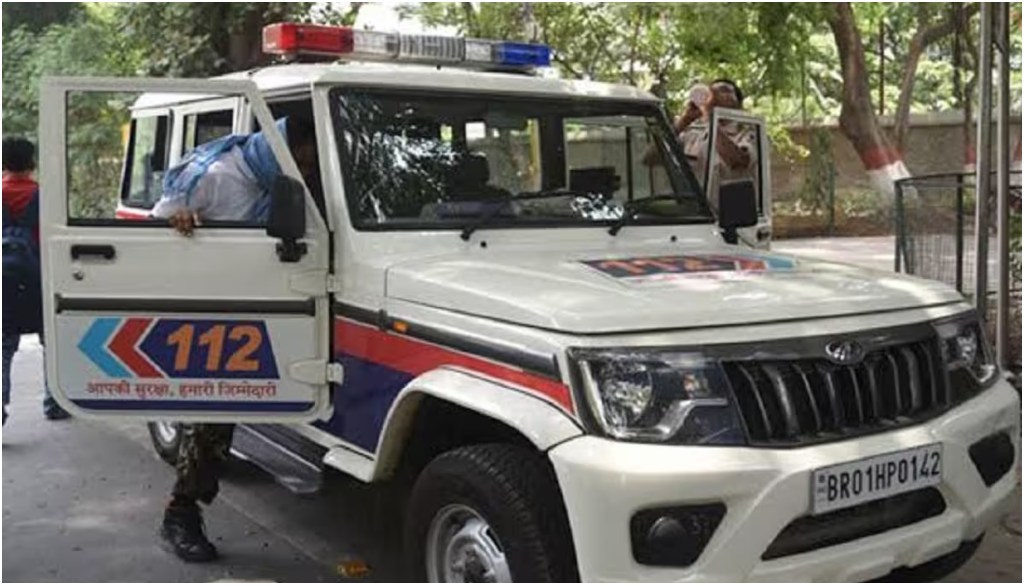
Patna: The Bihar government has decided to integrate private ambulances with the state’s unified emergency helpline, Dial 112, in an effort to reduce delays in medical response and curb rising road accident fatalities.

The transport department has begun implementing the decision, while the health department has been directed to take immediate steps to operationalise the plan. Officials say the move is aimed at ensuring faster hospital access for people injured in road accidents.
The decision follows a recent review of road accidents by the transport secretary, Raj Kumar, which revealed that Bihar ranks second in the country, after Mizoram, in road accident-related deaths. Officials attributed the high fatality rate largely to a shortage of ambulances and delayed emergency response times.

Bihar currently has around 3,700 ambulances, including both government-run and private vehicles. Of these, only about 2,000 are operating under the government system. As a result, emergency calls made to Dial 112 often face long waiting times before an ambulance arrives.
Health department data show that while national health standards recommend ambulance services should reach patients within 10 minutes of an emergency call, the average response time in Bihar is around 25 minutes.
Officials believe integrating private ambulances into the Dial 112 network will significantly expand coverage and improve response times, particularly in rural and high-accident zones.
Trauma care capacity
The state has designated 55 hospitals as trauma centres to treat accident victims. Of these, 10 are classified as Level Two trauma centres, 35 as Level Three, and 10 as integrated trauma centres and emergency service facilities.
Level Two trauma centres are required to have more than 200 beds, including a dedicated 20-bed trauma unit. Level Three centres must have at least 100 beds, with 10 reserved for trauma care, including five intensive care beds and five emergency trauma beds.
Officials said strengthening the ambulance network alongside trauma care facilities is essential to reducing preventable deaths on Bihar’s roads.