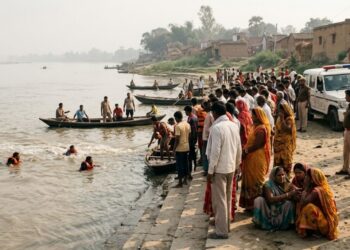
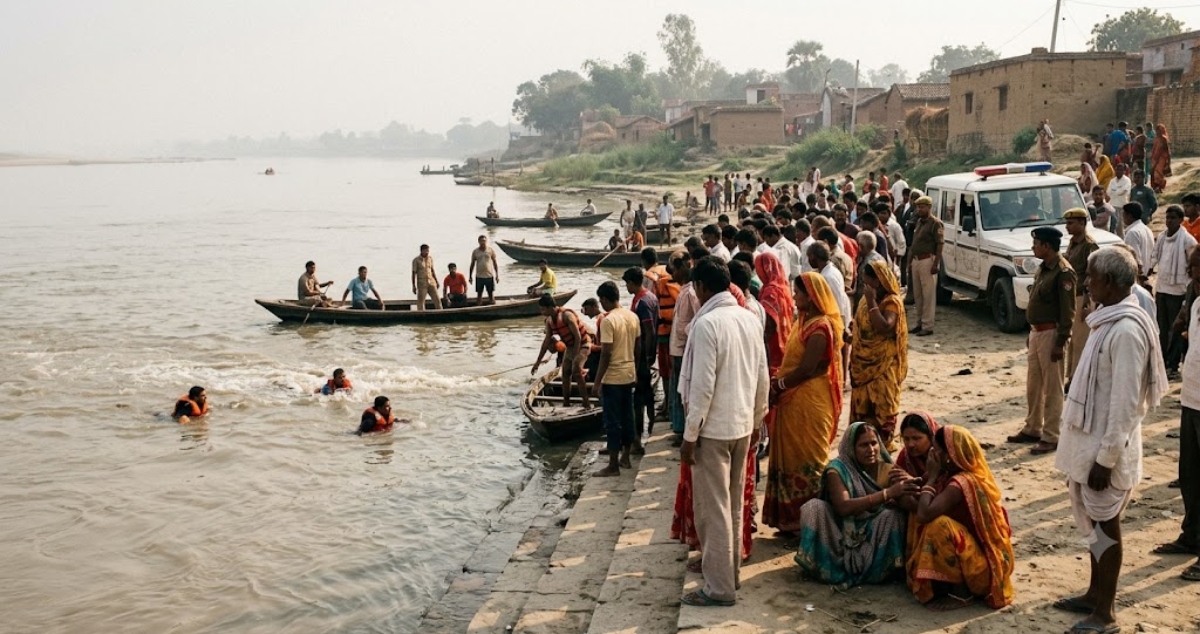
Patna: At least 16 people died by drowning in separate incidents across 10 districts of Bihar while collecting water for religious rituals ahead of Shardiya Navratri, according to information reported on October 12.

The incidents occurred during jalbojhī, a ritual in which devotees collect water from rivers, ponds and other water bodies for worship and Kalash Sthapana. The deaths have cast a shadow over Navratri preparations, leaving several families in mourning.
Muzaffarpur, Darbhanga and Sitamarhi Report Three Deaths Each
The highest number of fatalities was reported from three north Bihar districts.

According to the available information, the district-wise toll is as follows:
- Muzaffarpur: 3 deaths
- Darbhanga: 3 deaths
- Sitamarhi: 3 deaths
- Samastipur: 1 death
- Sheohar: 1 death
- Bhojpur: 1 death
- Saran: 1 death
- Begusarai: 1 death
- Nawada: 1 death
- Rohtas: 1 death
The incidents across these districts brought the reported death toll to 16. Details of the individual incidents and the identities of all the victims were not available in the information provided.
Religious Preparations Turn Into Tragedy
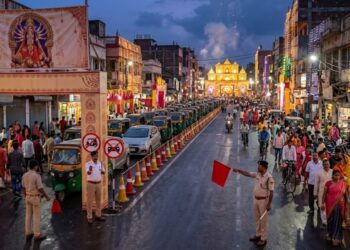
Collecting water is a customary part of Navratri preparations in several parts of Bihar. Devotees visit nearby rivers and ponds to bring water for Kalash Sthapana, पूजा rituals and religious processions.
However, the practice turned tragic this year as people drowned at different locations while collecting water. Families preparing to welcome the festival were suddenly confronted with the loss of loved ones.
Rising Water Levels Add to the Risk
The incidents have raised concerns about safety at riverbanks and ponds, particularly in areas affected by flooding.
High water levels can make familiar bathing and water-collection spots more dangerous. Water depth may change unexpectedly, while strong currents, slippery banks and submerged uneven surfaces can increase the risk of drowning.
After floods, the shape and depth of riverbanks may also change, making it difficult for people to judge conditions accurately. Crowds gathering at popular ritual sites can add to the danger.
Safety Precautions Needed at Ritual Sites
The incidents highlight the need for greater caution during religious activities involving rivers and ponds.
Devotees should assess the condition of a waterbody before approaching it and avoid entering deep water or areas with strong currents. Children should be kept under close supervision, and people who cannot swim should avoid entering rivers and ponds.
Local administrations and festival organisers can also help reduce risks by identifying dangerous stretches, displaying warning signs and arranging trained rescue personnel at crowded or vulnerable locations.
Need to Balance Faith With Safety
Navratri is a major festival marked by devotion, worship and community celebrations. The deaths during jalbojhī rituals have nevertheless highlighted the dangers that can arise when people enter waterbodies without adequate awareness of local conditions.
As religious activities continue across Bihar, the incidents serve as a reminder that safety precautions are essential alongside the observance of traditional practices.